
Plants
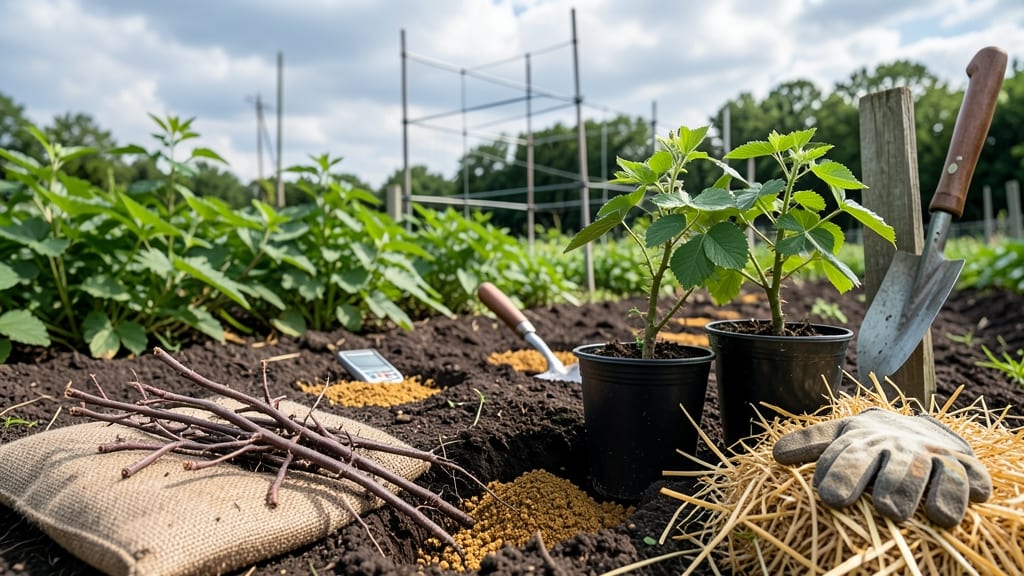
Timing your blackberry planting in Oklahoma isn't just about the calendar—it's about matching your plants to the state's unique chill-hour needs and avoiding those sneaky late-spring frosts that can wipe out tender canes.
With Zone 6b-8a conditions, you've got a narrow window where soil warmth meets frost safety, and getting it wrong means smaller harvests—or worse, no harvest at all.
I've seen gardeners in Oklahoma struggle with 🫐 blackberries that either flop in early spring or rot when planted too late in fall. The key is understanding your local chill-hour requirements (typically 300-700 hours for most varieties) and aligning them with Oklahoma's late winter to early spring planting window.
This isn't just theory—it's what separates the gardeners with bushels of berries from those scratching their heads in August wondering where their plants went wrong.
What you're about to discover is how to pinpoint the exact 2-4 week window that works for your specific Oklahoma microclimate, whether you're in the cooler 6b zones or the warmer 8a areas.
We'll cover bareroot vs. potted plants, soil temperature tricks, and even how to cheat the system when Mother Nature throws you a curveball with unexpected frost.
By the end, you'll know exactly when to dig in your 🫐 blackberries—plus how to give them the best possible start for that first flush of sweet, juicy berries by mid-summer. Let's make this your most productive blackberry season yet.
Oklahoma’s best planting windows: chill-hours vs. frost risk
Oklahoma’s Zone 6a-7a climate creates a unique challenge for blackberry growers—balancing chill-hour requirements (300-700 hours) with frost-free windows. Most varieties need 500-700 chill hours to produce fruit reliably, while late frosts in March-April can damage new growth.
Timing your planting to align with these factors ensures strong root establishment before summer heat arrives.
In Oklahoma, the ideal planting windows are late winter to early spring (February-April) or fall (September-October). Spring planting gives canes time to establish roots before summer’s intense heat, while fall planting allows roots to settle before winter dormancy.
Both approaches work, but your local last frost date (typically March 15 in most of Oklahoma) is your guide.
For Zone 6a areas (northern Oklahoma), aim for early spring planting (March-April) to avoid late frosts that can damage tender new shoots. In Zone 7a (southern Oklahoma), you have flexibility to plant as early as February or even late fall (October-November) if soil temps stay above 40°F.
Here’s how to calculate your local chill hours: Use a chill-hour calculator (like the one from Purdue University) and input your nearest weather station data. Most Oklahoma gardeners fall in the 500-700 hour range, perfect for varieties like ‘Natchez’ or ‘Ouachita’, which thrive in these conditions.
Pro tip: If you’re planting in fall (September-October), choose dormant bare-root canes and mulch heavily to protect roots from freeze-thaw cycles. For spring planting, wait until soil temps reach 40°F to prevent root rot in cold, wet soil.
🌱
| Planting Window | Zone 6a (North OK) | Zone 7a (South OK) | Key Consideration |
|---|---|---|---|
| Late Winter | February (bare-root only) | February-March | Soil temps must stay above 40°F |
| Early Spring | March-April | March-April | Avoid late frost damage (target March 15+) |
| Fall | September-October | October-November | Plant 6-8 weeks before first frost |
| Chill Hours Needed | 500-700 hours | 500-700 hours | Use ‘Natchez’ or ‘Arapaho’ for lower chill zones |
| Soil Temp Threshold | 40°F minimum | 40°F minimum | Use a soil thermometer to check |
One common mistake Oklahoma gardeners make is planting too early in spring when soil is still cold and wet. This can lead to root rot or fungal diseases like anthracnose.
Instead, wait until soil temps consistently stay above 40°F—a simple $10 soil thermometer from your local garden center will save you headaches.
For fall planting, focus on Zone 7a areas where first frosts arrive later (mid-November). Plant 6-8 weeks before frost to give roots time to establish. Mulch with 4-6 inches of straw to insulate roots during winter temperature swings, which Oklahoma’s freeze-thaw cycles can be brutal on young plants.
If you’re unsure about your local chill hours, check with your county extension office—they often have historical data for your specific area.
For example, Tulsa (Zone 7a) typically accumulates 650-700 chill hours, while Oklahoma City (Zone 7b) sees 700-800 hours, making it ideal for fall-bearing varieties like ‘Chester’.
Remember: Blackberries are hungry plants—they’ll need fertile, well-draining soil with a pH of 5.5-6.5. Amend your soil with compost or aged manure before planting to give them a strong start, especially
Bareroot vs. potted blackberries: when to plant each for Oklahoma’s climate
Oklahoma’s unpredictable spring weather makes choosing between bareroot and potted blackberries a game-changer for your harvest. Bareroot canes are dormant and cheaper, but they demand precise timing—plant them too early, and frost zaps their roots.
Potted plants, on the other hand, are active and more flexible, but they cost more and need consistent moisture. Let’s break down the best approach for your Oklahoma garden.
For bareroot blackberries, aim to plant in late winter to early spring (February–March) when soil temperatures hit at least 40°F. This window ensures roots establish before Oklahoma’s late spring frosts (which can hit as late as April in Zone 6a).
If you miss this, your second chance is fall planting in September–October, but avoid planting too close to the first frost.
Bareroot Blackberries
✅ Pros
- Cost-effective (50% cheaper)
- Hardier roots once established
- Wider variety selection
❌ Cons
- Strict timing (soil temp ≥40°F)
- Frost risk if planted too early
- Requires moisture management until roots grow
Potted blackberries offer flexibility—plant them anytime the soil is workable (March–April or September–October). They’re ideal if you’re extending your season or dealing with late spring frosts.
However, they need consistent watering to prevent root stress, especially in Oklahoma’s hot, dry summers. Mulch heavily to retain moisture and protect roots from temperature swings.
Oklahoma’s Zone 7a gardeners have an edge with potted plants—they can delay planting until mid-April to avoid early frost, while Zone 6a growers should stick to February–March for bareroot. Pro tip: Soak bareroot canes for 2–4 hours before planting to jumpstart root growth in Oklahoma’s dry soil.
If you’re unsure, potted blackberries are the safer bet for beginners—they’re less sensitive to timing and give you a head start on growth. But if you’re experienced and want to save money, bareroot canes planted in early spring will reward you with vigorous canes by summer.
Just be ready to protect them with frost cloth if late frosts linger.
Remember: Oklahoma’s summer heat can stress newly planted blackberries, so prioritize shade cloth and deep watering in June–July. Whether you choose bareroot or potted, timing is everything—get it right, and you’ll enjoy juicy blackberries by late summer.