
Plants
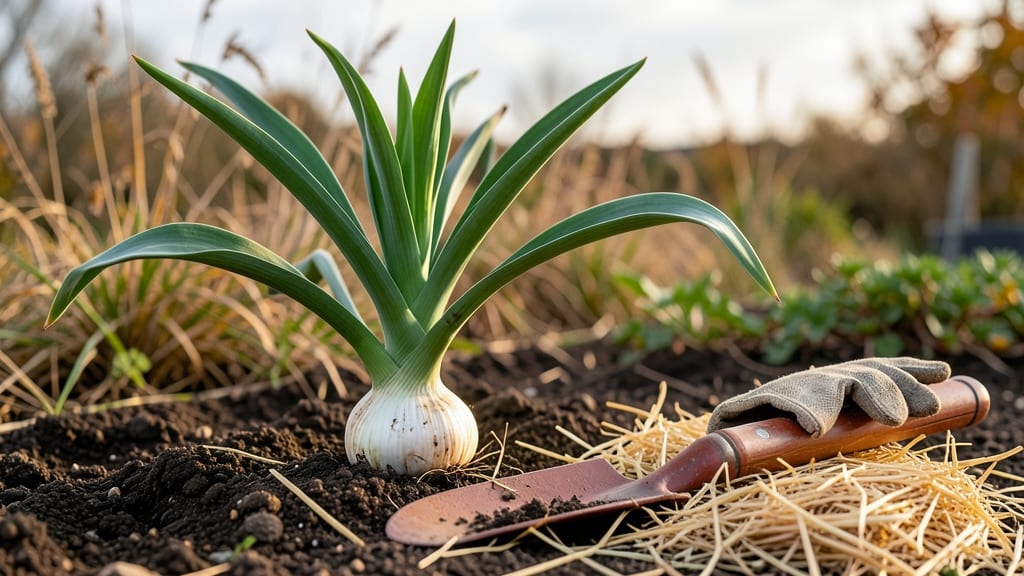
If you’ve ever wondered when to plant garlic in Oregon, timing isn’t just about avoiding frost—it’s about unlocking the full potential of your 🧄 harvest.
Oregon’s mild winters and diverse microclimates mean coastal and inland zones have different deadlines, but the rule of thumb is simple: aim for October or November to give hardneck varieties the cold they crave before winter sets in.
Why does this matter? Planting too early risks sprouting before dormancy, while waiting too long can leave bulbs underdeveloped by harvest season. The key is balancing soil temperatures and frost dates—especially in USDA zones 7b-9a—to ensure strong roots and flavorful cloves.
Let’s break down the exact window and steps to set your garlic up for success.
You’ll learn how to prep your soil, space cloves correctly, and adjust for Oregon’s unique growing conditions—whether you’re in the Willamette Valley or the high desert. With the right approach, you’ll be harvesting plump, robust bulbs next July or August, ready to elevate your cooking. Let’s get started.
Missed the fall window? Don’t worry—we’ll also cover how to troubleshoot late plantings and make the most of your garden. Whether you’re a seasoned gardener or new to growing 🧄, these tips will help you avoid common pitfalls and grow garlic like a pro.
Oregon’s ideal garlic planting window: months and hardiness zones
Oregon’s coastal and inland microclimates create unique planting windows for garlic. Most gardeners focus on hardneck varieties, which thrive in Oregon’s USDA Zones 6-8. The key is planting 4-6 weeks before the first hard frost, typically between mid-October and early November for inland areas like Portland.
Coastal regions, such as Astoria or Newport, experience milder winters, so you can plant later—through November. The goal is to give garlic roots time to establish before winter dormancy.
Softneck varieties, less common in Oregon, can tolerate slightly later planting but still need 4-8 weeks of chill for bulb formation.
Use soil temperature as your guide: aim for 40-50°F at planting depth. In Zone 7b (e.g., Eugene), this usually aligns with late October. For Zone 8a (e.g., Medford), extend planting until early December—but avoid planting too late, or bulbs may not mature fully.
Oregon’s variable frost dates complicate timing. Check your local Oregon State University Extension frost maps or use a frost calendar to adjust. For example, the Willamette Valley often sees its first frost in mid-October, while central Oregon can wait until November.
Hardneck vs. softneck matters too. Hardnecks, like ‘German White’ or ‘Chesnok Red’, need 60+ days of cold to form bulbs. Softnecks, such as ‘Silverskin’, tolerate warmer winters but produce smaller bulbs in Oregon’s climate. Prioritize hardnecks for bold flavor and larger cloves.
Missed the fall window? Spring planting is possible but yields smaller, less flavorful bulbs. Plant in February or March, but expect harvests by late June or July—too late for peak quality. Spring-planted garlic often struggles with bolting (flowering) due to Oregon’s long daylight hours.
Adjust for microclimates within Oregon. A south-facing slope warms faster, allowing later planting. Shady spots or valleys may need earlier planting to avoid frost damage. Use a soil thermometer to confirm readiness—don’t rely solely on calendar dates.
Oregon’s rainy winters can delay planting. Avoid soggy soil, which leads to rot and poor root growth. Amend clay-heavy soils with compost or sand to improve drainage. Well-draining soil is critical for overwintering success.
Pro tip: Pre-sprout cloves indoors for 2-3 weeks before planting. Place cloves in a jar with the root end down and watch for 1-inch sprouts. This jumpstarts growth and compensates for late starts due to unpredictable Oregon weather.
For maximum yield, align planting with moon phases. Plant during the waning moon (after the full moon) to encourage root development. This old-school trick works surprisingly well in Oregon’s variable climate.
| Zone & Location | Ideal Planting Month | Soil Temp Goal | Key Variety | Frost Note |
|---|---|---|---|---|
| Zone 6 (e.g., Pendleton) | Late September–October | 40–50°F | ‘German White’ | First frost: Early October |
| Zone 7b (e.g., Eugene) | Mid-October–November | 40–50°F | ‘Chesnok Red’ | First frost: Mid-October |
| Zone 8a (e.g., Medford) | November–Early December | 45–55°F | ‘Music’ | First frost: Late November |
| Coastal (e.g., Astoria) | October–December | 45–50°F | ‘Silverskin’ (softneck) | Mild winters; extend window |
Use this table as a quick reference for your Oregon region. Double-check with your local cooperative extension office for hyper-local adjustments. For example, Mount Hood’s elevation may require planting 2 weeks earlier than Portland.
Remember: Oregon’s garlic success hinges on timing + soil prep
Step-by-step fall planting guide for Oregon gardeners
Planting garlic in Oregon’s cool, wet fall sets the stage for next summer’s harvest. My best results come from following a structured approach—starting with soil prep and ending with proper spacing.
Oregon’s clay-heavy soils in many regions demand extra attention to drainage, while coastal areas benefit from sandy loam mixes.
First, test your soil’s pH level—garlic thrives in 6.0 to 7.0. If your soil is too acidic, amend it with lime (calcium carbonate) 2-3 weeks before planting. For clay-heavy soils, mix in compost or aged manure to improve structure and water retention without suffocating roots.
Next, break up compacted soil with a broadfork or tiller to a depth of 12 inches. This ensures garlic cloves have room to establish roots before winter dormancy. In coastal Oregon, where soils drain quickly, add organic matter like peat moss to retain moisture during winter rains.
🌱 Step-by-Step Planting Process
- 1. Choose your cloves: Select plump, firm cloves from hardneck varieties like ‘German White’ or ‘Music’. Break bulbs apart just before planting.
- 2. Plant depth: Bury cloves 2 inches deep, pointy end up, in rows 12 inches apart. This depth protects them from freeze-thaw cycles.
- 3. Spacing: Space cloves 4-6 inches apart in rows. Tighter spacing works for smaller bulbs but risks disease spread.
- 4. Mulch heavily: Apply 4-6 inches of straw or leaves after planting. This insulates roots and prevents heaving during freeze-thaw cycles.
- 5. Water lightly: Give a gentle watering to settle soil, then reduce watering until spring. Overwatering in fall can rot cloves.
After planting, avoid walking on beds to prevent disturbing young roots. In Western Oregon’s wetter climates, ensure your planting site has good drainage—garlic hates soggy soil. If your garden sits in a low spot, consider raised beds to prevent winter waterlogging.
Finally, mark your rows with stakes or flags so you don’t accidentally till them in spring. Garlic needs 6+ hours of sun daily, so choose a south-facing location for maximum light exposure. With these steps, your cloves will overwinter successfully and produce bold, flavorful bulbs by next summer.
Pro tip: If you’re in Zone 8 or 9 (southern Oregon), you can plant as late as December, but aim for October-November in most of the state for best results. 🌱