
Plants
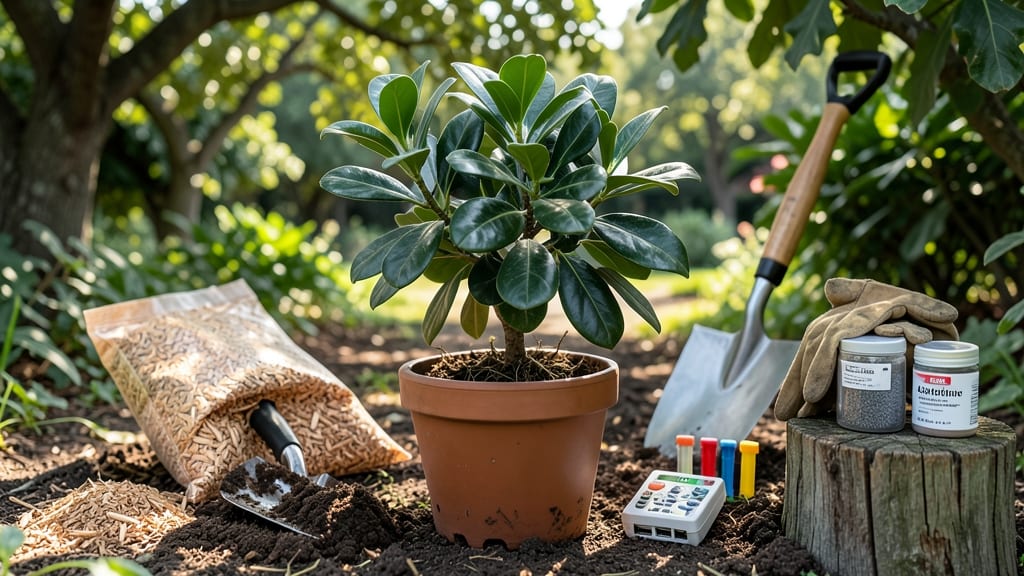
If you’ve ever dreamed of planting gardenias in your North Carolina garden to fill it with their intoxicating scent, timing is everything. Planting them too early risks frost damage, while waiting too long can stunt root growth—both mistakes that leave you with a shrub struggling to bloom.
The state’s varied climate, from humid coastal areas to drier inland zones, means there’s no one-size-fits-all answer.
For most of North Carolina—especially zones 6a-8b—the sweet spot is late spring after the last frost, typically March through May. But fall planting in September or October also works, giving roots time to establish before winter.
The key? Avoiding those late-spring freezes that can sneak up on unsuspecting gardeners.
What you’re about to discover isn’t just about dates—it’s about reading your garden’s signals. We’ll break down how coastal humidity affects timing, why inland gardeners should wait a little longer, and the simple tricks to ensure your gardenias thrive from day one.
Let’s get those fragrant blooms off to the right start.
Whether you’re a seasoned gardener or just starting, these insights will help you skip the guesswork. By the end, you’ll know exactly when to dig in—so your gardenias can focus on what they do best: filling your yard with their signature perfume.
Optimal planting windows for NC gardenias: coastal vs inland timing guide
North Carolina’s varied climate means your gardenia’s planting window depends heavily on where you live. Coastal areas like Wilmington enjoy milder winters, while inland zones like Asheville face earlier frosts. Getting the timing right ensures your gardenias thrive and bloom abundantly.
For most of NC (USDA Zones 7a-8b), the ideal planting months are March through May (spring) or September through October (fall). These windows align with soil warming and frost-free periods, giving roots time to establish before extreme weather hits.
In Zone 6a (mountain regions), wait until after May 15 to avoid late frosts. Coastal gardeners in Zone 8b can plant as early as February if soil temperatures stay above 60°F.
Soil temperature is critical: gardenias need 60-65°F soil to root successfully. Use a soil thermometer to check—planting too early in cold soil stresses roots and delays growth.
Here’s how NC’s regions differ in planting timing:
| Region | USDA Zone | Best Planting Window | Soil Temp Requirement | Key Consideration |
|---|---|---|---|---|
| Coastal (e.g., Wilmington) | 8a-8b | Feb 15 - May 15 | 60°F+ | Humidity helps root growth |
| Piedmont (e.g., Raleigh) | 7a-7b | March 15 - May 1 | 65°F+ | Moderate humidity; watch for late frosts |
| Mountains (e.g., Asheville) | 6a-6b | May 1 - June 1 | 70°F+ | Cooler soils; extend growing season |
| Fall Planting (All Regions) | 7a-8b | Sept 15 - Oct 15 | 60°F+ | Avoid planting too late; roots need 6 weeks to establish |
Fall planting is a great alternative for NC gardeners. Planting in September or October gives roots time to establish before winter, often resulting in healthier plants the following spring. Just avoid planting after October 15, as roots won’t have enough time to harden off.
If you’re in Zone 6a, prioritize spring planting (May) to avoid winter dieback. Coastal gardeners can experiment with early February plantings if you’re using black plastic mulch to warm the soil faster.
Pro tip: Acid-loving gardenias thrive in NC’s natural soil pH (often 5.0-6.0), but test your soil first. Amend with peat moss or sulfur if needed to create the ideal acidic environment.
Container gardeners have more flexibility—plant anytime the soil is workable (above 50°F) and move pots indoors if frost threatens. Just ensure containers have drainage holes to prevent root rot.
Timing isn’t just about months—it’s about soil conditions. Wait until the ground is workable and warm (no more soggy or frozen). Use your finger to check: if soil crumbles easily, it’s ready!
🌱
Optimal planting windows for NC gardenias: coastal vs inland timing guide
North Carolina’s diverse climate means gardenias planted in coastal Wilmington thrive under different timing than those in mountain Asheville. The key is understanding your USDA zone and last frost dates.
In Zone 8b (coastal), you can plant as early as late February, while Zone 6a (mountains) should wait until mid-April.
Soil temperature is critical—gardenias need 60°F+ soil to establish roots. Use a soil thermometer to confirm readiness. Inland areas often face late spring frosts, so March-May is safest for most NC regions. Coastal gardeners can also plant in September-October for fall blooms.
| Region | USDA Zone | Best Planting Window | Soil Temp Requirement | Frost Risk |
|---|---|---|---|---|
| Coastal (Wilmington, NC) | 8b | Late Feb - May OR Sept-Oct | 60°F+ | Low (rare after March) |
| Piedmont (Raleigh, NC) | 7b | Mid-March - May | 60°F+ | Moderate (late frosts) |
| Mountains (Asheville, NC) | 6a | Mid-April - May | 60°F+ | High (late May) |
For container planting, coastal gardeners can extend the window to February since pots warm faster. Inland gardeners should avoid June planting—summer heat stresses young roots. Always mulch heavily (3-4 inches) to maintain soil moisture and temperature.
Pro tip: Acid-loving gardenias hate alkaline soil. Test your soil’s pH (5.0-6.0) before planting. If your yard is pH 7+, amend with peat moss or sulfur. Coastal areas often need less amendment due to natural acidity from pine forests.
Timing isn’t just about months—it’s about leaf color. Healthy gardenias show deep green leaves by June if planted correctly. Yellowing leaves? You likely planted too early or in poor-draining soil. Adjust next year by waiting until soil warms fully.
Remember: Gardenias bloom on old wood, so established plants need 6-8 months of growth before their first flush. Planting in fall (Sept-Oct) gives them a head start for next summer’s blooms. Coastal gardeners can even get winter blooms with proper care!