
Plants
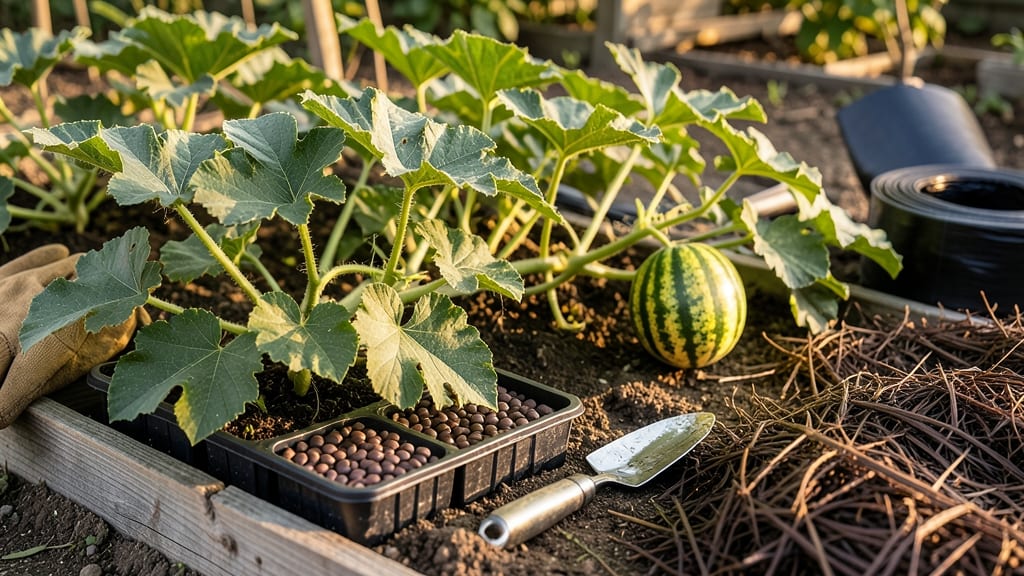
Planting watermelon in North Carolina at the wrong time could mean the difference between a bountiful harvest and sad, wilted vines. The key to success lies in waiting until after the last frost—typically mid-April to early June—when soil temperatures hit at least 70°F for those sweet, juicy fruits you crave.
If you're eager to get growing, don't rush—cool soil slows germination, and frost will kill tender seedlings. Instead, time your planting with nature's cues: watch for consistent daytime highs above 75°F and nighttime lows above 60°F.
These conditions signal it's finally safe to plant your 🍉 seeds directly in the garden bed.
But here's where it gets interesting: North Carolina's varied climate means your neighbors in the mountains might plant a week later than those in the Piedmont. We'll break down the exact weeks after last frost for each region so you can align your schedule with your local growing season.
Ready to grow watermelons that rival the ones at the farmers' market? I'll show you how to time your planting for maximum yield, plus pro tips for extending your harvest window. Let's get those seeds in the ground at the perfect moment!
North Carolina watermelon planting schedule by region: exact weeks after last frost
North Carolina's diverse climate zones mean your watermelon planting window depends heavily on where you live. From the Coastal Plain to the Mountains, each region has unique frost dates and soil warming patterns.
For the best chance at sweet, ripe watermelons, aim to plant when soil temperatures consistently reach 70°F+ and all frost danger has passed.
Most gardeners in NC plant watermelon seeds directly in the ground rather than starting indoors, as the plants are sensitive to transplant shock. However, you can start seeds indoors 4-6 weeks before your last frost date if you're using a cold frame or greenhouse for early protection.
Let's break down the ideal planting windows by region.
🌱 Did You Know?
The Coastal Plain (USDA Zones 8a-8b) has the longest growing season, with last frost dates typically around March 15 in southern regions like Wilmington. In this zone, you can plant watermelon seeds as early as late March, but wait until April 15 for the safest results.
The Piedmont (Zones 7a-7b) sees last frosts around April 1, so aim for mid-April to early May plantings.
For the Mountains (Zones 6a-7a), where last frosts can linger until May 15, plant watermelon seeds no earlier than late May. These regions benefit from shorter-season varieties like 'Sugar Baby' or 'Crimson Sweet', which mature in 75-85 days rather than the standard 90-day varieties.
Here’s a quick reference for your region’s planting window:
If you're eager to harvest earlier, consider using black plastic mulch to warm the soil faster. This technique can shave off 1-2 weeks from your planting timeline by raising soil temperatures by 5-10°F. Just be sure to remove the mulch once vines start spreading to prevent overheating.
For gardeners in transition zones (like the Sandhills or Foothills), err on the side of planting 2-3 weeks later than the Piedmont schedule. These areas often experience unpredictable late frosts, and watermelons are particularly vulnerable to cold soil damage.
Pro tip: Mark your calendar for June 1 as the absolute latest you should plant watermelon seeds in most of NC. After this date, your melons may not mature before the first frost in mid-November, leaving you with bitter, underripe fruit.
If you love the idea of fall watermelons, opt for fast-maturing varieties like 'Black Diamond' or 'Tasty Bite' and plant by late May.
Finally, always check your local NC State Extension office for microclimate updates. Urban areas like Raleigh or Charlotte can have 5-10°F warmer microclimates than rural spots just a few miles away, so local insights are invaluable.
With the right timing, you’ll be slicing into homegrown watermelons by July or August—worth the wait! 🍉
How to extend your watermelon growing season in North Carolina
North Carolina’s short growing season and unpredictable weather can make watermelon cultivation tricky, but with smart strategies, you can extend your harvest window by weeks. The key is balancing frost protection, seasonal planning, and choosing the right varieties for your region’s microclimate.
In Coastal NC, where frost arrives later, you might squeeze in two harvests per year—one in early summer and another in fall. Meanwhile, mountain gardeners focus on early-maturing varieties and row covers to shield plants from late frosts.
Let’s break down the best methods to maximize your watermelon yield, no matter where you garden in the Tar Heel State.
- Use frost cloth or row covers to protect seedlings until soil warms to 70°F+. Remove covers during the day to prevent overheating.
- Start seeds indoors 3-4 weeks before your last frost date (use biodegradable pots to avoid transplant shock).
- Choose early-maturing varieties like 'Sugar Baby' (60 days) or 'Crimson Sweet' (75 days) for Coastal/Piedmont regions.
- Plant in black plastic mulch to warm soil faster and suppress weeds. This can shorten the time to harvest by 10-14 days.
- Succession plant every 2 weeks from May to early June. Late varieties like 'Moon and Stars' (85 days) can still thrive if planted by June 1st.
For mountain gardeners in zones 6a-7a, focus on cold-hardy varieties like 'Black Diamond' (70 days) and pair them with low tunnels to create a microclimate. Even a simple hoop house with clear plastic can add 4-6°F of warmth, pushing your harvest into early October.
Water management is another critical factor. Watermelons need consistent moisture, especially during flowering. Use drip irrigation to keep soil evenly damp without wetting leaves (which invites disease). In dry summers, mulch heavily with straw to retain moisture and cool roots.
Don’t overlook soil preparation—amend beds with compost and aged manure before planting. Warmer soil speeds up germination, giving you a head start. Test your soil’s pH (aim for 6.0-6.8) and adjust with lime or sulfur if needed.
With these techniques, you can turn North Carolina’s climate challenges into opportunities, enjoying homegrown watermelons from July through September—or even longer with the right planning. The secret? Start early, protect your plants, and stay flexible with your planting schedule.