
Flowers
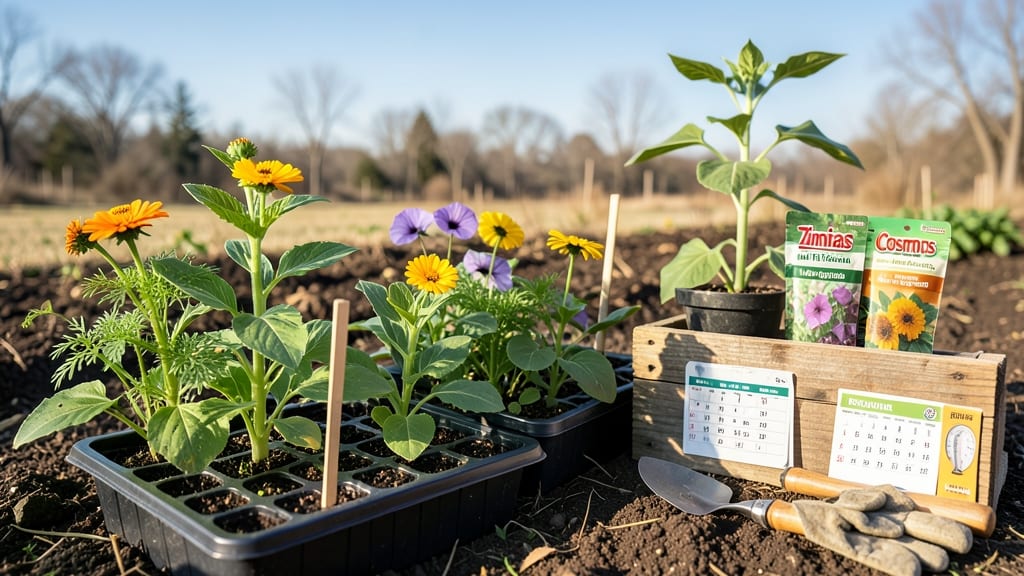
Knowing when to plant flower seeds in Kansas can make or break your garden’s success—especially when you’re dealing with the state’s dramatic swings from frost to scorching heat. Whether you’re in the cooler USDA Zone 5b or the milder Zone 7a, timing matters more than you might think.
Spring planting (March–May) is your golden window for most 🌸 flower seeds, but even a week too early can leave delicate seedlings vulnerable to late frosts. Meanwhile, fall planting (August–September) gives perennials a head start for next year’s blooms. The key? Understanding your local frost dates and soil conditions.
I’ll break down the exact months for cool-season vs. warm-season flowers, plus how to adjust for Kansas’ microclimates—whether you’re gardening in Wichita’s urban heat or the cooler hills of the Flint Hills. No more guessing games, just data-backed timing for a show-stopping garden.
Ready to transform your yard? Let’s dive into the perfect planting schedule tailored to your Kansas zone—and watch those blooms take over!
Kansas flower seed planting calendar by USDA hardiness zones
Kansas spans USDA Hardiness Zones 5b through 7a, meaning your planting schedule should shift based on whether you're in the cooler northeast or warmer southwest.
The average last frost date ranges from March 15 in Zone 7a to April 15 in Zone 5b, while first frost arrives between October 1 and October 20. These variations create a 6-week window difference in planting readiness across the state.
For most annual flowers, I recommend starting seeds 6-8 weeks before your last frost date indoors.
This gives delicate varieties like petunias and marigolds a head start against Kansas' unpredictable spring weather. Perennial seeds, however, should wait until after the last frost when soil temperatures reach at least 60°F—typically late April to early May in most zones.
🌱
| Zone | Last Frost | Ideal Planting Window | Soil Temp | Best Flowers |
|---|---|---|---|---|
| 5b (Northeast) | April 15 | April 20 - May 10 | 60-65°F | Coneflowers, Black-Eyed Susans, Snapdragons |
| 6a (Central) | April 1 | April 1 - April 25 | 55-60°F | Zinnias, Cosmos, Coreopsis |
| 6b (Southwest) | March 20 | March 15 - April 10 | 50-55°F | Marigolds, Petunias, Nasturtiums |
| 7a (Far Southwest) | March 15 | March 1 - March 25 | 45-50°F | Lantana, Salvia, Gaillardia |
🌿 Note: Adjust for microclimates—urban areas may frost later than rural zones.
For fall planting, focus on cool-season annuals like pansies and snapdragons between August 15 and September 15. These varieties thrive in Kansas' 50-60°F soil temperatures and can handle light frosts. Perennial seeds for next year can be sown in late summer to establish roots before winter.
One of my biggest mistakes was planting marigold seeds too early in Zone 6a—they rotted in 40°F soil. Always check soil temperature with a soil thermometer (ideal range: 60-70°F for most flowers). For bulbs like tulips, plant in October when soil cools to 50°F.
Kansas State University Extension provides localized frost date maps—bookmark their planting calendar for real-time adjustments. Urban gardeners in cities like Wichita (Zone 7a) can plant 2-3 weeks earlier than rural areas due to the urban heat island effect.
🌻
If you're growing heat-loving annuals like sunflowers or zinnia, wait until after May 10 when soil temps exceed 65°F. These varieties bolt (flower prematurely) in cooler conditions. For container gardens, use black plastic pots to warm soil 5-10°F faster than in-ground planting.
Pro tip: Use biodegradable seed starter pots for 6-week indoor starts—they eliminate transplant shock when moving to garden beds. My cosmos seeds germinated in just 5 days when kept at 70°F with bright grow lights.
💧
For perennials
How to adjust planting times for Kansas microclimates
Kansas’ diverse geography—from the elevated plains of the west to the humid river valleys in the east—creates microclimates that shift planting windows by 2-4 weeks.
For example, Wichita’s Zone 6b may be ready for marigolds by mid-April, while Kansas City’s Zone 6a might wait until late April due to urban heat retention. Even a 500-foot elevation gain can delay last frost by 5-7 days in western counties.
Urban gardeners in Topeka or Lawrence often face "heat islands" where pavement absorbs heat, warming soil 2-3°F warmer than rural areas. This means tender annuals like petunias can be planted 10 days earlier in city containers than in nearby farmland.
Meanwhile, wind-exposed sites (like Hays or Garden City) may need protective row covers until soil warms to 55°F, delaying planting by 1-2 weeks.
| Microclimate Factor | Adjustment Needed | Example in Kansas |
|---|---|---|
| Elevation Gain | Delay planting by 5-7 days per 500 ft | Colby (Zone 6a) vs. Dodge City (Zone 6b) |
| Urban Heat Islands | Plant 10-14 days earlier in containers | Lawrence (Zone 6a) city gardens |
| Wind Exposure | Use row covers or wait for soil 55°F+ | Hays (Zone 5b) high plains |
| River Valleys | Plant 7-10 days later due to slower warming | Kansas City (Zone 6a) floodplain |
Container gardens in Kansas City or Wichita offer flexibility—you can start cool-season flowers like snapdragons indoors by February 15 and transplant after April 1, regardless of ground temps.
For in-ground planting, amend soil with compost to warm faster; a 1-inch layer of black plastic mulch can raise soil temps by 5-8°F, letting you plant zinnia seeds 2 weeks earlier in Zone 6a.
Rural areas with darker, moisture-retentive soils (like Cherokee County) may need to wait until soil reaches 60°F for warm-season flowers, while sandy soils in western Kansas can be planted as soon as 50°F.
Always check Kansas State University’s frost maps for real-time updates, as 2023’s late frost in April caught many gardeners off guard in Zone 5b.
Pro tip: Use biodegradable seed starter pots to extend your season. Plant calendula or cosmos seeds in pots by March 1, then transplant after May 1 when night temps stay above 50°F. This 2-phase approach adds 3-4 weeks to your growing window in marginal zones.
For perennials like coneflowers, time planting with moisture availability. In dry western Kansas, plant in September to establish roots before winter; in eastern humid zones, April planting works best to avoid fungal issues from prolonged wet springs.
Always match your watering schedule to your microclimate—drip irrigation is ideal for windy areas, while soaker hoses work better in sheltered urban gardens.