
Flowers
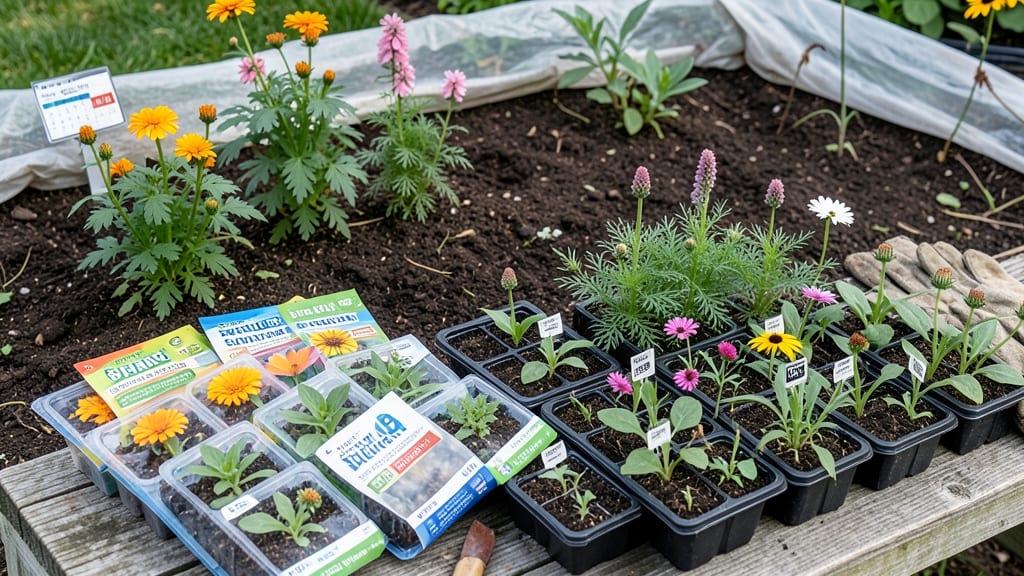
Timing is everything when it comes to planting flower seeds in Minnesota—get it wrong, and you’ll either lose your investment to frost or miss out on vibrant blooms all season. With Zone 4B’s unpredictable swings between 30°F winters and 90°F summers, knowing the exact window makes all the difference between a thriving garden and a sad, frozen mess.
Most gardeners assume "spring" means March, but in Minnesota, waiting until after the last frost—typically mid-May—is critical. That’s why I’ve broken down the perfect planting timeline for both spring and fall bloomers, so you can start seeds indoors or sow directly into soil that’s at least 40°F.
Whether you’re dreaming of sunflowers reaching for the sky or delicate pansies brightening up shady spots, these tips will help you avoid common mistakes.
You’ll also discover how to extend your growing season with simple tricks like row covers or greenhouses, so you’re not stuck waiting for summer.
From cool-season favorites like snapdragons to heat-loving cosmos, I’ll show you which flowers thrive in Minnesota’s climate—and when to plant them for the most stunning results.
Ready to transform your garden into a year-round floral show? Let’s dive into the exact dates, soil prep, and variety recommendations that’ll have your 🌸 blooming from June to October—no guesswork required.
Minnesota flower seed planting timeline by month: zone 4B frost dates
Minnesota’s Zone 4B climate means timing your flower seed planting is everything—too early and frost zaps tender seedlings, too late and you miss peak blooms.
The average last frost date ranges from mid-April in southern MN to late May in the north, while the first frost typically arrives between late September and mid-October. Understanding these windows helps you align planting with your garden’s natural rhythm.
For cool-season flowers like pansies or snapdragons, you can start seeds indoors 6-8 weeks before your last frost (around mid-February to early March). These hardy varieties tolerate 40°F soil temperatures, letting you sow directly outdoors as early as late April in protected microclimates.
Meanwhile, warm-season bloomers like marigolds or zinnias need to wait until after May 15 when soil warms to 60°F+.
| Month | Planting Window | Flowers to Plant | Soil Temp |
|---|---|---|---|
| March | Indoor starts (6-8 wks before last frost) | Pansies, Snapdragons, Calendula | 60-70°F |
| April | Direct sow after last frost (late April) | Lupines, Sweet Peas, Dianthus | 40-50°F |
| May | After May 15 (soil 60°F+) | Marigolds, Sunflowers, Cosmos | 60-70°F |
| August | Early August (fall bloomers) | Asters, Goldenrods, Pansies | 50-60°F |
| September | Before first frost (early Sept) | Sweet Alyssum, Stock, Calendula | 50°F+ |
Northern Minnesota’s shorter growing season (Zone 3B) shifts these dates earlier—aim for late March indoor starts and May 20 outdoor sowing. Southern MN (Zone 5A) can push planting to June 1 for late-season blooms.
Always check your local USDA frost map or use a soil thermometer to confirm readiness, as microclimates near lakes or urban areas can vary by 1-2 weeks.
For perennial flowers like coneflowers or black-eyed Susans, sow seeds directly in late spring (May-June) or early fall (August). These hardy varieties establish roots before winter, emerging stronger in spring’s second year.
A pro tip: Stratify seeds (mix with moist sand, refrigerate 4-6 weeks) to mimic winter conditions and break dormancy for better germination.
If you’re eager for early blooms, try row covers or cold frames to protect seedlings until May 10. These tools create a 5-10°F warmer microclimate, letting you plant 2-3 weeks earlier without risk.
Just remove covers by late May to avoid overheating plants. For late-season extensions, sow biennials like foxgloves in August—they’ll bloom next spring after overwintering.
Minnesota’s fall planting window (August-September) is often overlooked but ideal for cool-season annuals that thrive in mild autumn temperatures. Flowers like pansies and sweet alyssum planted in early September will bloom until first frost, providing color through October.
Pair these with hardy perennials like sedum or Russian sage for a low-maintenance, frost-resistant display.
Protect your investment by monitoring weekly frost forecasts from the National Weather Service. In northern MN, the first frost can arrive as early as September 15, while southern regions may see October 10.
Use this data to stagger plantings—sow half your seeds in May and the rest in June or August for continuous blooms. This succession planting strategy ensures your garden stays
Best flowers to plant in Minnesota by season: frost-tolerant varieties
Minnesota’s Zone 4B climate rewards gardeners who choose cold-hardy flowers that thrive despite late frosts. The key is selecting annuals, perennials, and biennials that match your planting season—whether you’re sowing in early spring or late summer for fall blooms.
For spring planting, prioritize cool-season flowers like pansies and snapdragons, which tolerate light frosts. In summer, switch to heat-loving annuals such as marigolds and zinnias. Fall offers a second chance with hardy perennials like asters and chrysanthemums.
Native Minnesota flowers are your best bet—they’ve evolved to handle our short growing season and variable weather. Varieties like black-eyed Susans and coneflowers not only survive but thrive with minimal fuss, often returning year after year.
Here are my top seasonal picks for Minnesota gardens, organized by planting window and frost tolerance:
For perennial flowers, consider black-eyed Susans or bee balm, which establish roots early and bloom reliably for years. These low-maintenance picks reduce your workload while adding color and pollinator appeal.
Pro tip: Pair early bloomers like lupines with late-season asters to create a continuous bloom from May through October. This succession planting trick ensures your garden stays vibrant all season long.