
Plants
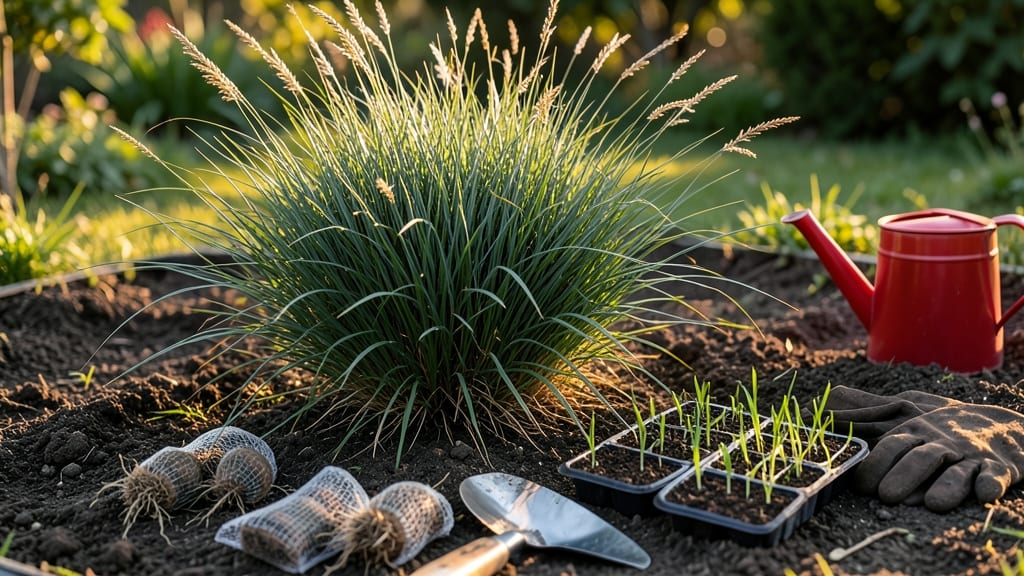
Timing your fescue planting in Kansas can mean the difference between a lush, green lawn and struggling patches that never quite take hold.
With Kansas' USDA zones 5b-7a, you've got a narrow window to get it right—especially when unpredictable spring rains or scorching summer heat can throw off even the best-laid plans.
Most Kansas gardeners swear by planting 🌱 fescue in early spring (March-April) or early fall (August-September), but why? The key is soil temperature—cool enough for seeds to germinate but warm enough to avoid rot.
In northern Kansas, aim for after your last frost date (around April 15), while southern regions can start earlier. Getting this right ensures strong root establishment before summer stress sets in.
Preparation is just as critical as timing. Testing your soil's pH (ideal range: 6.0–7.0) and amending heavy Kansas clay can make or break your fescue's success.
We'll walk you through the exact steps to create the perfect seedbed, plus post-planting care tips to keep your lawn thriving through Kansas' 160-200 frost-free days.
Whether you're overseeding an existing lawn or starting fresh, these strategies will help you avoid common mistakes and grow a fescue lawn that stays vibrant year-round. Let's dive into the details so you can plant with confidence.
Optimal planting windows for fescue in Kansas by region
Kansas’ USDA Zones 5b-7a create distinct planting windows for fescue, with northern areas (like Topeka and Wichita) facing earlier frost risks than southern regions (Wichita Mountains, Tulsa). Timing matters because fescue needs consistent soil temps between 60°F-75°F for germination—too hot or too cold, and your seeds won’t sprout properly.
For northern Kansas, aim for early September to mid-October (fall) or mid-April to early May (spring). Southern Kansas can extend fall planting until late October and start spring planting as early as mid-March. The key is avoiding summer’s extreme heat, which stresses young fescue roots.
Here’s how Kansas’ two main regions differ in ideal planting windows, including soil temperature and rainfall considerations:
| Region | Best Planting Window | Soil Temp Range | Rainfall Needs | Key Consideration |
|---|---|---|---|---|
| Northern Kansas (Topeka, Wichita) | Fall: Early Sept–Mid Oct Spring: Mid-Apr–Early May |
60°F–75°F | 1–1.5 inches/week | First frost: Oct 31–Nov 15 |
| Southern Kansas (Tulsa, Wichita Mountains) | Fall: Late Aug–Late Oct Spring: Mid-Mar–Early May |
60°F–75°F | 0.75–1.25 inches/week | First frost: Nov 1–Nov 30 |
| 🌱 Pro Tip: Overseed in late summer (July-August) for best results—cooler temps and moisture help seeds establish before winter. | ||||
If you’re in Zone 5b (northern Kansas), prioritize fall planting—it gives fescue roots time to establish before winter. In Zone 7a (southern Kansas), you can push fall planting later, but avoid planting after October 15 to prevent winterkill.
Spring planting works in both regions, but northern Kansas should wait until after April 15 to avoid late frosts.
Kansas’ unpredictable rainfall adds another layer. After planting, monitor for consistent moisture—fescue seeds need to stay damp for 14–21 days to germinate. Use a light mulch (straw) to retain soil moisture, especially in dry years.
Southern Kansas may need slightly less water due to higher average rainfall, while northern areas might require supplemental irrigation.
For urban areas (like Kansas City), consider shade-tolerant tall fescue varieties if your lawn gets less than 6 hours of sun. These adapt better to part-shade conditions common in city landscapes.
Always check the seed packet for sunlight recommendations—some fescue blends thrive in full sun, while others tolerate moderate shade.
One critical mistake Kansas gardeners make? Planting too early in spring when soil temps are still below 50°F. Cold soil slows germination and invites fungal diseases.
Use a soil thermometer ($10 at garden centers) to confirm temps are ideal before seeding. Aim for 60°F+ for spring plantings and 70°F+ for fall.
Finally, overseeding in late summer (August) is a game-changer for Kansas lawns. The cool nights and warm days create perfect conditions for seed germination, and new grass fills in thin patches before winter. Just be sure to mow high (3–4 inches) before overseeding to protect existing grass.
With the right timing, your fescue will establish deep roots, outcompete weeds, and survive Kansas’ summer droughts and winter freezes. Start with the optimal window for your region, and your lawn will thank you for years to come. 🌿
Optimal planting windows for fescue in Kansas by region
Kansas’ diverse climate zones (USDA 5b–7a) mean northern and southern regions have different ideal planting times for fescue. In northern Kansas (Wichita, Topeka), cooler springs and earlier frosts favor late August to mid-September planting, while southern Kansas (Wichita Mountains, Tulsa) can extend planting into early October due to milder winters.
Spring planting is trickier—aim for mid-March to early April after soil temps reach 50°F+. Southern Kansas can start slightly earlier (late February) if soil isn’t frozen. The key is 4–6 weeks before frost to let roots establish before winter dormancy.
Soil temperature is critical: fescue seeds need 50–60°F soil to germinate. Use a soil thermometer—planting too early (when soil is cold) delays growth, while waiting too late risks summer heat stress.
Rainfall patterns also vary: northern Kansas gets 1–2 inches of rain weekly in planting season, while southern areas may need supplemental watering to keep soil moist during dry spells. Always water 1 inch per week after planting.
| Region | Best Planting Window | Soil Temp Requirement | Key Consideration |
|---|---|---|---|
| Northern Kansas (Wichita, Topeka) | Late Aug–Mid-Sept (Fall) or Mid-Mar–Early Apr (Spring) | 50–60°F | Earlier frost dates (Oct 31) |
| Southern Kansas (Wichita Mountains, Tulsa) | Early Aug–Early Oct (Fall) or Late Feb–Early Apr (Spring) | 50–60°F | Later frost dates (Nov 15) |
| Central Kansas (Manhattan, Salina) | Aug–Sept (Fall) or Early Mar–Early Apr (Spring) | 50–60°F | Moderate frost risk (Nov 1) |
For overseeding existing lawns, late summer (mid-August) is ideal—cooler temps and frequent rains help seeds germinate without competing with established grass. If you miss fall, spring overseeding works but requires weed control first to give fescue a fighting chance.
Pro tip: Check your local Kansas State University Extension frost dates annually—they adjust slightly each year. Planting at the right time means thicker roots and a greener lawn by next spring. 🌱