
Plants
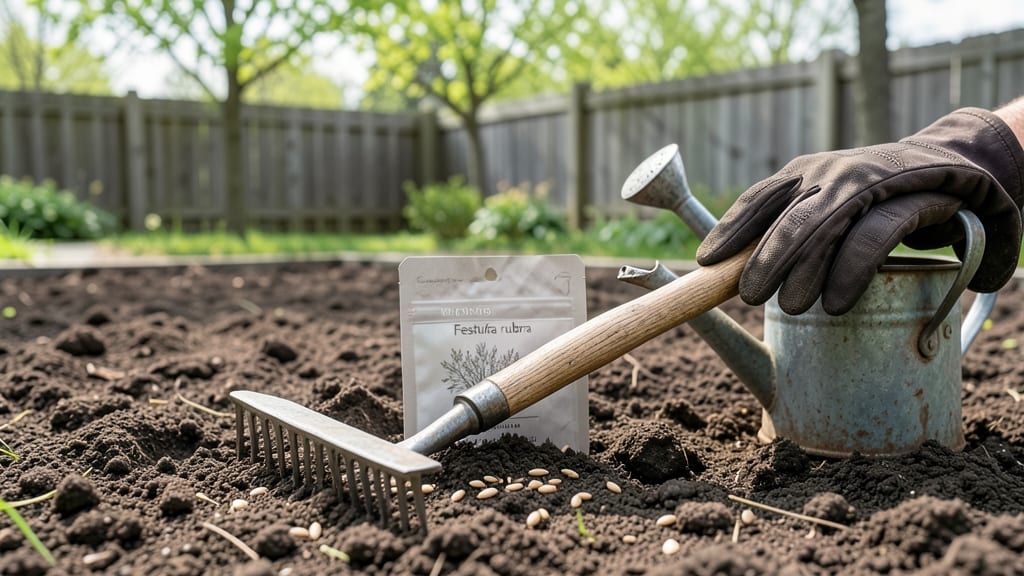
Timing your fescue grass planting just right in spring can make all the difference between a vibrant lawn and struggling seedlings. Whether you're in USDA Zone 6a or beyond, getting the window perfect—4-6 weeks before the last frost—sets the stage for success.
Miss the mark, and you risk weak growth or even total failure as unpredictable spring weather throws a wrench into your plans.
I’ve seen firsthand how a few weeks can change everything—too early, and frost zaps your seedlings; too late, and weeds steal the show. The key is understanding your local climate and adjusting your approach. For most gardeners, that means planting in early to mid-spring, but regional variations matter.
Don’t worry if you’re unsure about your exact zone or soil conditions. I’ll walk you through how to check soil temperature, recognize the ideal planting signs, and even tweak your schedule if Mother Nature throws curveballs.
By the end, you’ll know exactly when to plant 🌱 fescue grass for a lush, resilient lawn that stands up to the season.
Ready to transform your yard? Let’s dive into the specifics—so you can plant with confidence and watch your lawn thrive. The best time is coming up faster than you think!
USDA Zone-specific planting dates for fescue in spring
Planting fescue grass at the right time in spring ensures strong root development before summer heat sets in. Unlike cool-season grasses that thrive in early spring, fescue prefers warmer soil temperatures—typically 55°F to 65°F—to germinate consistently.
The USDA zone you live in directly impacts your ideal planting window, with colder northern zones requiring earlier starts than warmer southern regions.
For most gardeners, the 4-6 week window before your average last frost date is ideal. This timing balances frost risk with soil warmth, giving seedlings enough time to establish before summer dormancy.
For example, in Zone 5, aim for late April to early May, while Zone 8 gardeners can plant as early as February.
Here’s a quick reference for USDA zones 3-10, including frost-free dates and optimal planting months to maximize your fescue’s success:
| USDA Zone | Last Frost Date | Optimal Planting Window | Soil Temp Requirement | Key Consideration |
|---|---|---|---|---|
| Zone 3-4 | Mid-May | Late April to early May | 55°F+ | High frost risk; use frost cloth if late |
| Zone 5-6 | Early May | Late April to early May | 55°F-60°F | Monitor soil moisture; drought stress common |
| Zone 7-8 | Mid-April | February to March | 60°F-65°F | Early planting risks weeds; overseed later |
| Zone 9-10 | January | January to February | 65°F+ | Hot summers; prioritize shade tolerance |
If you’re unsure about your last frost date, check the National Oceanic and Atmospheric Administration (NOAA) or local agricultural extension service.
For example, Zone 6a (like much of the Midwest) typically has a last frost around April 15, so planting in early April gives seedlings a 6-week head start before summer stress.
For northern climates (Zones 3-5), consider using a seed warming mat to jumpstart germination if soil stays cold. In southern zones (7-10), prioritize shade-tolerant fescue varieties like tall fescue to handle summer heat better.
Always test your soil’s pH (6.0-7.0 ideal) and amend with compost if needed before planting.
Pro tip: In Zone 4 or colder, delay planting if your area experiences unseasonably warm winters. Warm spells can trick fescue into germinating too early, only to be killed by a late frost. Wait until the soil stays above 55°F for 5+ days to avoid this risk.
Once you’ve nailed down your zone and timing, prepare your lawn by mowing existing grass short (if overseeding) and raking away debris. Lightly aerate compacted soil to improve seed-to-soil contact, which is critical for uniform germination.
Remember, fescue is a cool-season grass, so it enters dormancy in summer. Planting too late in spring can leave it vulnerable to heat stress before it establishes. Aim to have your lawn fully green and actively growing by early June for best results.
🌱
How to adjust planting for early vs. late spring conditions
Spring’s unpredictable weather can throw off your fescue planting plans, but knowing how to adapt ensures your seeds still thrive. Early springs with warm temperatures and early last frosts create ideal conditions, while late springs with lingering cold or heavy rains demand flexibility.
The key is monitoring soil temperature (aim for 50°F+) and frost risk—not just calendar dates.
For early springs, plant 4-6 weeks before your last frost date to give seedlings time to establish before summer heat arrives.
If your region’s last frost typically hits in mid-April but arrives early in March, adjust your schedule to avoid seedlings bolting too soon. Late springs require patience: delay planting until soil warms consistently, even if it means seeding in May.
Use a soil thermometer to confirm readiness—fescue seeds won’t germinate well below 50°F.
Planting too late in spring risks weed competition and drought stress before roots establish. If your last frost date passes by May 1, consider overseeding in early fall instead—fescue thrives with cooler temps and consistent moisture.
If your spring stretches into unpredictable weather, opt for alternative methods like overseeding or using a seed starter mix in trays. Start seeds indoors 6-8 weeks before your last frost and transplant seedlings once soil is workable.
For large lawns, prioritize shady or high-traffic areas first—they’ll establish faster with less competition.
Cold, wet soil delays germination. Amend with compost or peat moss to improve drainage, and avoid working the soil if it’s saturated—wait until it’s crumbly and 60% moisture for best results.
Finally, track local microclimates. South-facing slopes warm faster than north-facing areas, so adjust planting dates accordingly. Use a weather app to monitor 5-day forecasts and hold off if frost is predicted within 72 hours of seeding. With these adjustments, you’ll maximize your fescue’s chances—no matter how spring surprises you.
🌱