
Plants
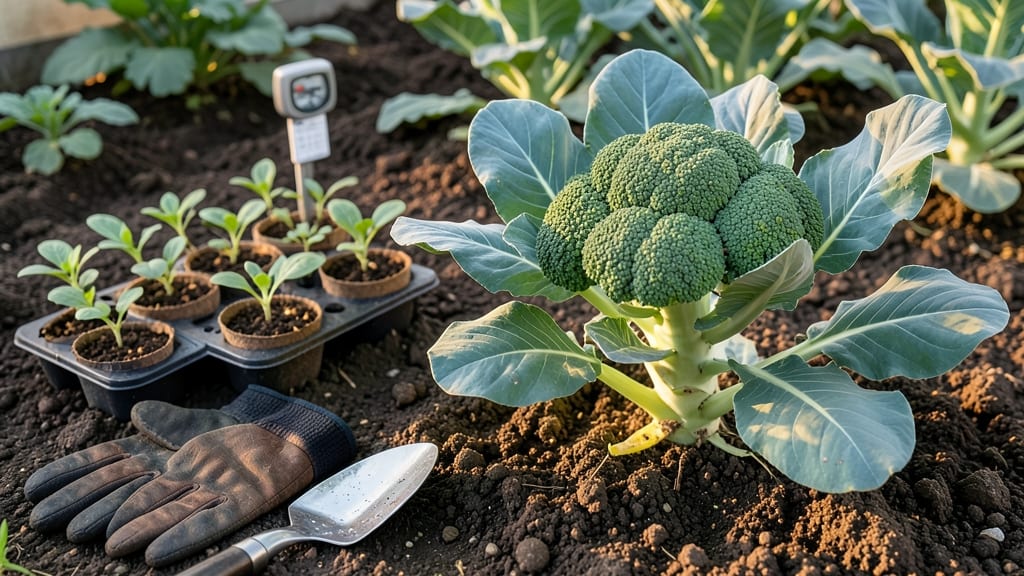
Timing your 🥦 broccoli planting in Colorado can mean the difference between a thriving garden and a bitter disappointment.
With our USDA zones ranging from 5-7 and microclimates that shift dramatically from Denver’s urban heat to the Western Slope’s high-altitude chill, getting it right takes more than just a calendar check.
Most gardeners assume spring is the only game in town, but Colorado’s fall planting window—July through August—often yields sweeter, more reliable harvests. The key lies in understanding your specific region’s frost dates and soil temperatures, which can vary by hundreds of degrees even just a few miles apart.
Whether you’re starting seeds indoors or sowing directly into your garden beds, I’ll break down the exact planting windows that work for your elevation—plus proven tricks to prevent bolting, even when Colorado’s weather throws curveballs. Let’s get your broccoli growing like a pro.
From Denver’s Front Range to the Western Slope’s high country, we’ll cover everything you need to know to time your plantings perfectly. No more guesswork—just zero-bolt harvests all season long.
Colorado broccoli planting zones: USDA vs. microclimate reality
Colorado’s USDA zones 5-7 might suggest a one-size-fits-all approach, but the state’s dramatic elevation shifts and microclimates demand a more nuanced strategy.
While the Front Range (Denver, Boulder) falls into zones 5-6, the Western Slope (Grand Junction, Aspen) often reaches zone 7, and the Eastern Plains (Pueblo, Colorado Springs) can dip into zone 4. These differences directly impact your broccoli planting window and frost risk.
For example, Denver’s urban heat islands can experience 5-10°F warmer soil temperatures than nearby suburbs, accelerating growth. Meanwhile, high-altitude gardens above 7,000 feet face shorter growing seasons and colder soils. Understanding these variations helps you avoid bolting (when broccoli flowers prematurely) and maximizes your harvest potential.
Here’s how to translate USDA zones into actionable planting dates for your specific location, using frost-free days as your guide. Most Colorado regions have 90-120 frost-free days, but this shrinks dramatically at higher elevations.
For instance, Fort Collins (zone 5) has about 120 frost-free days, while Telluride (zone 6-7) only gets 90-100 days—a critical difference for broccoli’s 60-80 day maturity window.
🌱
| Region | USDA Zone | Avg. Last Frost | Avg. First Frost | Spring Planting Window | Fall Planting Window |
|---|---|---|---|---|---|
| Front Range (Denver, Boulder) | 5-6 | April 15 | October 15 | March 15 - April 30 | July 15 - August 15 |
| Western Slope (Grand Junction) | 6-7 | March 20 | October 30 | March 1 - April 15 | July 1 - August 10 |
| Eastern Plains (Pueblo) | 4-5 | April 20 | October 5 | April 1 - May 15 | July 10 - August 5 |
| High Country (Aspen, Telluride) | 6-7 (short season) | May 1 | September 20 | April 15 - May 10 | June 15 - July 1 |
To avoid bolting, time your planting so broccoli matures 2-3 weeks before the first frost.
For example, in Denver (zone 5-6), a 60-day variety sown by March 15 should be ready by May 15, leaving room for a fall crop if you start seeds indoors in July for an October harvest.
Soil temperature is another critical factor. Broccoli seeds need 40-50°F soil to germinate, but above 80°F triggers bolting. In Colorado’s high plains, where soils warm quickly in spring, use shade cloth or plant heat-tolerant varieties like ‘De Cicco’ or ‘Waltham 29’ to extend your window.
For high-elevation gardens, focus on cold-hardy varieties like ‘Green Goliath’ or ‘Nero di Toscana’, which tolerate 25°F and thrive in shorter seasons. These varieties also perform well in fall plantings, where
Zero-bolt planting schedule by elevation: from Denver to 8,000+ feet
Colorado’s dramatic elevation shifts create distinct broccoli planting zones. At 5,000 feet (Denver), you’ll plant earlier than at 8,000 feet (Mountain Towns), where cold snaps linger. The key? Adjusting your schedule by 1-2 weeks per 1,000 feet of elevation gain.
Spring planting starts March 15 in low-elevation valleys but waits until April 15 above 7,000 feet. Fall crops reverse this pattern—planting August 1 at 5,000 feet but delaying until August 15 in the high country. These windows maximize your 120-150 frost-free days.
🌱 Elevation-Specific Broccoli Planting Guide
| Elevation Range | Spring Planting Window | Fall Planting Window | Recommended Varieties |
|---|---|---|---|
| 5,000–6,000 ft (Denver, Fort Collins) | March 15–April 15 | August 1–August 15 | Waltham 29, De Cicco |
| 6,000–7,000 ft (Boulder, Golden) | March 30–April 30 | July 30–August 30 | Packman, Calabrese |
| 7,000–8,000 ft (Evergreen, Woodland Park) | April 15–May 15 | July 15–August 15 | Green Magic, Purple Sprouting |
| 8,000+ ft (Leadville, Aspen) | May 1–June 1 | July 1–July 15 | Early Purple, Cold-Hardy Heirlooms |
For low-elevation gardens (5,000–6,000 ft), prioritize heat-tolerant varieties like De Cicco to avoid bolting during summer heatwaves. In contrast, high-elevation gardens (7,000+ ft) benefit from cold-hardy types that thrive in cooler soils, like Purple Sprouting broccoli.
Pro tip: Use soil thermometers to confirm 40°F soil temps before planting—critical for seed germination at higher elevations. If your soil runs cold, opt for container gardening with black plastic mulch to warm roots faster.
Timing isn’t just about dates—it’s about microclimates. A south-facing slope in Fort Collins may warm 2 weeks earlier than a north-facing yard in Denver. Observe your garden’s unique patterns to fine-tune your schedule.