
Plants
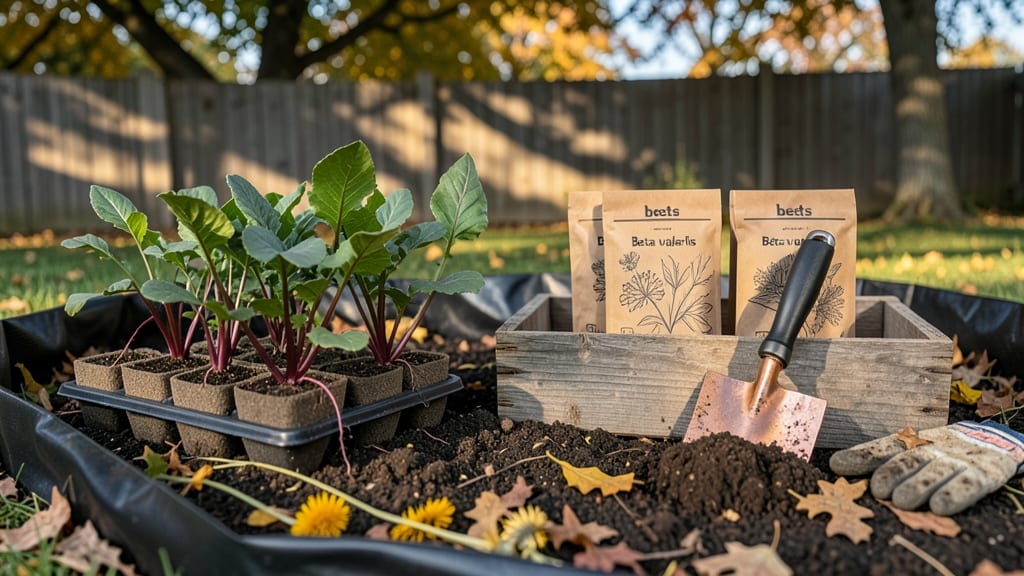
Planting fall beets in Zone 7 at the wrong time can turn your sweet harvest into tough, bitter roots—so timing is everything. The key lies in understanding your local frost dates and beet maturity, which for 🍠 Zone 7 gardeners means aiming for August through early September plantings.
If you wait too late, you risk bolting before harvest, while planting too early can lead to overgrown, woody roots.
Most fall beet varieties need 50-60 days to reach harvest size, so counting backward from your first frost date (typically mid-October in Zone 7) gives you the perfect window. For example, a September 1st planting should yield ready-to-harvest beets by early November, just before cold snaps arrive.
Don’t overlook soil prep—cool fall temperatures slow germination, so enrich your beds with compost and keep seeds moist until sprouts appear. And here’s a pro tip: succession planting every 2-3 weeks extends your harvest into late fall, ensuring a steady supply of fresh, tender beets.
Ready to grow the sweetest fall beets in Zone 7? Let’s break down the exact steps to time your plantings for maximum flavor and yield—no guesswork required.
Best planting windows for fall beets in Zone 7 (with frost timing guide)
Zone 7 gardeners have a 6-8 week window to plant fall beets for optimal harvests. The key is timing it so roots mature before hard frost hits—typically around October 15 in most of Zone 7.
Beets need 45-60 days to reach harvest size, so your planting date depends on your first frost date and chosen variety.
For example, if your first frost arrives October 15, aim to plant between August 15 and September 15. This gives most varieties enough time to develop 2-3 inch roots before winter sets in.
The earlier you plant, the larger your beets will grow—but late plantings can still work with fast-maturing varieties.
Soil temperature is just as critical as air temperature. Beets thrive when soil stays above 50°F (10°C). In Zone 7, this usually means waiting until after July 15 to avoid stunted growth. Use a soil thermometer to confirm—cool soils slow germination and root development.
Here's my Zone 7 frost timing guide for fall beets, broken down by planting window and maturity timeline:
| Planting Window | Days to Maturity | Estimated Harvest Date | Root Size at Harvest |
|---|---|---|---|
| Late July (July 20-31) | 60 days | September 18-October 1 | 2.5-3 inches |
| Early August (Aug 1-15) | 55 days | September 25-October 10 | 2-2.5 inches |
| Mid-August (Aug 15-31) | 50 days | October 5-20 | 1.5-2 inches |
| Early September (Sept 1-15) | 45 days | October 15-November 1 | 1-1.5 inches |
⚠️ Pro Tip: Use fast-maturing varieties (like 'Detroit Dark Red' at 50 days) for late plantings to avoid frost risks.
I recommend planting two successive batches in Zone 7: one in early August for larger roots and another in mid-September for a late fall harvest. This staggered approach ensures you get beets at different sizes throughout the season.
Just be sure to space your plantings 3-4 weeks apart to avoid overlapping harvest times.
Another critical factor is day length. Beets respond to shortening days by bolting (flowering prematurely), which ruins root quality. In Zone 7, this typically starts happening after September 20.
To prevent bolting, choose bolting-resistant varieties like 'Cylindra' or 'Golden' and avoid planting after mid-September unless you're using row covers.
For container gardeners, timing is even more precise. Beets in pots mature slightly faster due to warmer root zones, so adjust your planting window 1-2 weeks earlier than in-ground plantings. Use 5-gallon containers minimum to accommodate root growth, and always place pots in full sun locations to maximize heat absorption.
Finally, don't forget about soil fertility. Fall beets benefit from compost-rich soil but don't need heavy fertilization. Over-fertilizing late in the season can lead to leafy growth at the expense of roots. A light application of 5-10-10 fertilizer at planting time is usually sufficient for Zone 7 soils.
🌱 Remember: The sweet spot for fall beets in Zone 7 is planting between August 1 and September 1, with harvests timed to finish before hard frost. With this timing, you'll enjoy tender, sweet roots all the way through November!
How to adjust planting for late fall harvests (avoiding bolting and frost damage)
Extending your beet harvest into late fall in Zone 7 requires strategic adjustments—especially when temperatures drop and days grow shorter. The key is balancing maturity timelines with cold tolerance while preventing bolting (the bitter, flower-producing stage).
Start by selecting varieties bred for cooler weather, like 'Winter Keeper' or 'Detroit Dark Red', which handle light frosts better than standard types.
For a second planting in late summer (around August 15-30), aim for varieties that mature in 45-50 days to harvest before hard frost. These faster growers won’t have time to bolt from long daylight exposure.
If you’re pushing for a November harvest, use row covers or cold frames to shield seedlings from early chills while they establish.
Fast-Maturing vs. Cold-Tolerant Beet Varieties
- 'Boltardy' – Resists bolting in heat
- 'Early Wonder' – Compact, quick harvest
- 'Red Ace' – Tolerates cooler soils
- 'Winter Keeper' – Survives light frost
- 'Detroit Dark Red' – Stores well post-harvest
- 'Golden' – Sweeter after frost
✂️ Pro Tip: Thin seedlings to 3-4 inches apart to prevent overcrowding, which stresses plants in cooler fall soils.
Succession planting is your best friend for a staggered harvest. Sow a small batch every 2-3 weeks from mid-August until early September. This ensures some beets reach maturity before frost while others stay tender.
For example, plant 10 seeds every 14 days in a 12-inch row—by October, you’ll have a continuous supply.
Watch for bolting triggers: long daylight hours and warm soil temperatures. If your beets start sending up flower stalks before harvest, blame heat stress or crowding. To prevent this, mulch with straw or leaves to insulate roots and keep soil temps stable.
Avoid nitrogen-heavy fertilizers late in the season, as they encourage leafy growth over root development.
When frost threatens but your beets aren’t ready, use row covers or black plastic mulch to protect them for 1-2 weeks. These extend the growing season by trapping heat during the day and insulating at night.
Just remove covers during harvest to avoid soil compaction. For a true late-fall harvest, prioritize smaller varieties like 'Babybeat', which mature in just 30-40 days and can be harvested before hard frost sets in.
Finally, remember that Zone 7’s microclimates vary—sheltered spots near buildings or south-facing beds stay warmer longer. Test your soil’s frost tolerance by planting a test row of fast-maturing beets 2 weeks before your expected frost date. If they thrive, you’ve found your safe planting window for a second crop.