
Plants
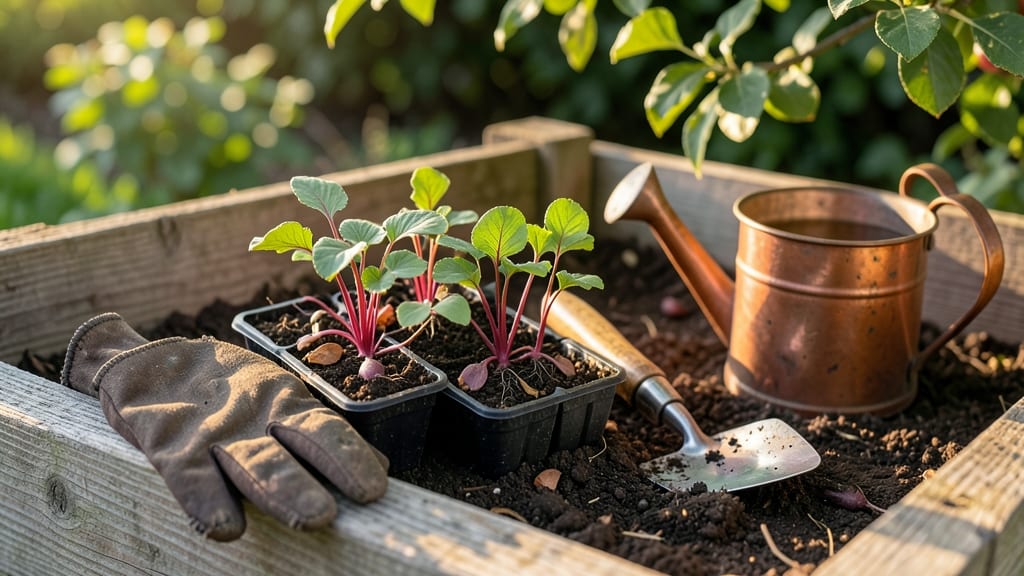
If you’ve ever struggled with when to plant beets in Zone 9, you’re not alone—those sweltering summers can turn sweet, tender 🍠 roots into bitter, woody disappointments.
But here’s the good news: with the right timing and a few smart tricks, you can grow delicious beets even in late summer.
The key is avoiding the heat. Zone 9’s climate means beets thrive best when planted in late summer to early spring, giving them a fighting chance against the scorching sun.
Whether you’re a beginner or a seasoned gardener, knowing the best months—and a few heat-beating strategies—will make all the difference.
In this guide, I’ll walk you through the ideal planting windows, the best heat-tolerant varieties, and how to keep your beets happy even as temperatures rise. No more guessing—just sweet, juicy harvests all season long.
Ready to turn your garden into a beet bonanza? Let’s get started with the perfect timing for Zone 9 success.
Best planting times for beets in Zone 9: avoiding heat stress
Zone 9’s intense heat can turn beets bitter and woody if planted at the wrong time. The key is to focus on cool-season planting when temperatures stay below 85°F (29°C). Beets thrive in spring and fall, but summer planting is risky unless you use shade and extra water.
I’ve found that late summer to early spring works best for most Zone 9 gardeners. This timing avoids the peak heat while still allowing for multiple harvests. For example, I planted my first batch in mid-August and enjoyed fresh beets through October before the cold set in.
Here’s the breakdown: September to November and February to April are your sweet spots. These months offer cooler temps and longer daylight, which beets love. If you miss these windows, don’t worry—winter planting (December-January) can still work in milder microclimates like coastal areas.
One mistake I see often is planting beets too early in spring when soils are still cold. Beets germinate best in soil temperatures between 50-75°F (10-24°C). If your soil is cooler than that, wait until late March or early April to avoid slow germination or rot.
🌱 Zone 9 Beet Planting Timeline
| Season | Best Planting Months | Ideal Soil Temp (°F) | Harvest Window |
|---|---|---|---|
| Early Spring | February - April | 50-75°F | April - June |
| Late Summer | August - September | 65-80°F | October - November |
| Fall | October - November | 50-70°F | December - February |
| Winter (Coastal) | December - January | 45-60°F | February - April |
✅ Pro Tip: Use a soil thermometer to check temps before planting—beets won’t germinate well in cold soil.
If you’re eager for summer harvests, try succession planting every 2-3 weeks from September through November. This keeps a steady supply of young beets ready to eat before the cold sets in. I’ve had great success with this method, especially with heat-tolerant varieties like 'Cylindra' or 'Boltardy'.
For those in inland desert areas of Zone 9, like the Sonoran Desert, beets can be tricky in summer. The extreme heat causes them to bolt prematurely (sending up flowers) or develop woody, tough roots.
To combat this, I recommend shade cloth (30-50%) and drip irrigation to keep roots cool and moist.
Another trick I’ve learned is to plant beets near tall crops like corn or sunflowers. The shade they provide during the hottest afternoon hours can make a big difference. Just make sure the taller plants don’t block 6+ hours of morning sun, which beets still need for sweetness.
Finally, avoid planting beets in July or August unless you’re using container gardening with daily shade and extra care. Even then, the results are often disappointing. Instead, focus on fall and winter planting for the best-tasting, most tender beets in Zone 9.
Remember, the goal is consistent moisture and moderate temperatures. With the right timing, you’ll enjoy sweet, crisp beets all year round—even in the heat of Zone 9! 🌱
Top heat-tolerant beet varieties for Zone 9 gardens
Not all beets handle Zone 9’s heat equally. Some varieties bolt quickly, while others stay sweet and tender. I’ve grown three standout varieties that thrive in our hot, dry summers. These picks focus on heat resistance, flavor, and disease tolerance—key traits for Zone 9 success.
First, let’s talk about Detroit Dark Red. This classic heirloom variety is a favorite because it resists bolting better than most. Its deep red roots stay sweet and firm even when temperatures climb. I’ve harvested perfect 2-inch roots in late summer by providing afternoon shade.
Chioggia beets are another winner, especially for their stunning pink-and-white striped roots. These Italian heirlooms are more heat-tolerant than many varieties and produce delicate, tender greens that stay crisp. Their mild, earthy flavor makes them perfect for salads or roasting.
For those who prefer long, cylindrical roots, Cylindra beets are my go-to. They’re less prone to cracking in heat and grow straight and uniform, making them ideal for pickling or slicing. I’ve seen them thrive in partial shade during peak summer months.
🌱 Heat-Tolerant Beet Varieties for Zone 9
| Variety | Root Shape | Heat Tolerance | Best For |
|---|---|---|---|
| Detroit Dark Red | Round | High (bolts late) | Roasting, salads |
| Chioggia | Round (striped) | Moderate (needs shade) | Raw, pickling |
| Cylindra | Long & cylindrical | High (crack-resistant) | Pickling, slicing |
💡 Pro Tip: For extra heat protection, plant shade cloth (30-50%) over seedlings during peak afternoon sun.
If you’re looking for golden beets, try Golden Beet. These varieties stay sweeter longer in heat and have a milder flavor than red beets. They’re also less prone to bolting, making them a great choice for late-summer plantings.
For disease resistance, consider Burpee’s Heat-Tolerant Beet Mix. This blend includes varieties bred to withstand high temperatures and resist common pests like leaf miners. I’ve had great success with this mix in coastal Zone 9 gardens where humidity is higher.
Remember, even the best heat-tolerant varieties need consistent moisture and well-draining soil. Mulch heavily with straw or wood chips to retain soil moisture and keep roots cool. With the right variety and care, you’ll enjoy homegrown beets year-round in Zone 9!