
Plants
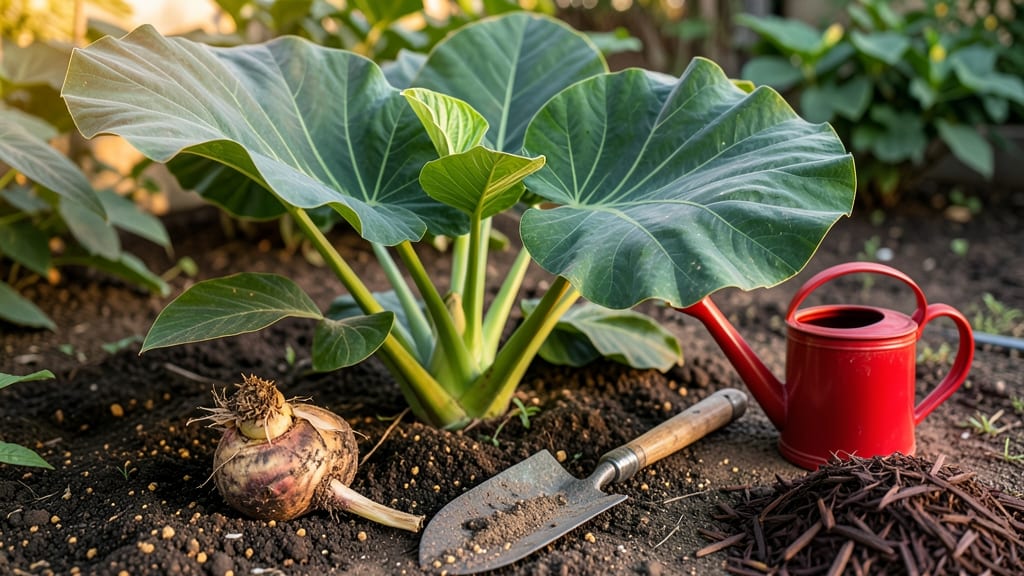
Georgia’s frost-free timeline for planting elephant ear bulbs
Georgia’s diverse climate—from the coastal heat of Savannah to the cooler mountain regions of North Georgia—means your elephant ear planting window varies by zone. The golden rule? Wait until the soil temperature hits 60°F+ and all frost risk has passed.
In most of Georgia, this lands between mid-March and mid-May, but timing shifts 1-2 weeks earlier in Zone 8b+ (south) and 2-3 weeks later in Zone 7b (north).
For Colocasia (the classic elephant ear) and Alocasia varieties, rushing the process risks rotten tubers in cold, wet soil. Meanwhile, planting too late cuts your summer foliage season short—these plants thrive on heat and can’t handle Georgia’s 90°F+ afternoons if they’re still establishing roots.
Let’s break down the exact planting windows for your region.
📌 PRO TIP: Use a soil thermometer ($10 at garden centers) to confirm readiness. Stick it 4 inches deep in your garden bed for 3 days—consistent 60°F+ means go time.
Georgia Elephant Ear Planting Timeline by Region
| Region | USDA Zone | Last Frost Date | Ideal Planting Window | Soil Temp Check |
|---|---|---|---|---|
| Coastal GA (Savannah, Brunswick) | 8a-9a | Mid-February to early March | March 1–April 15 | 60°F+ (sooner in Zone 9a) |
| Piedmont GA (Atlanta, Macon) | 7b-8a | Mid-March | April 1–May 1 | 60°F+ (wait for consistent warmth) |
| North GA (Dahlonega, Blue Ridge) | 7a-7b | Late March to early April | May 1–15 | 60°F+ (late bloomers here!) |
| Containers (Anywhere!) | All | N/A (heat-tolerant) | April 15–June 1 | 55°F+ (sooner in pots) |
🌱 Note: Coastal areas can plant 2 weeks earlier due to milder winters, while mountain regions should delay until May to avoid frost.
If you’re in Zone 7b (North GA), don’t panic if your neighbors plant in April—your last frost often lingers into early May.
Instead, use this time to prep your soil: mix in compost or aged manure to improve drainage (critical for elephant ears, which hate soggy roots). In Zone 8b+, you’ve got flexibility: plant as early as February in containers or shaded spots to jumpstart growth.
For Alocasia varieties (like Polly or Dragon Scale), which are heat-loving but frost-sensitive, aim for late April to early May across most of Georgia. These tropical-looking plants reward patience with glossier leaves and longer blooms—but they’ll bolt if stressed by cold snaps.
🌡️ Heat Zone Tip: After planting, monitor nighttime temps. If lows dip below 50°F for more than 2 nights, protect young plants with frost cloth or move containers to a sheltered porch.
What if you miss the window? No stress—June planting still works for containers or shaded beds, especially if you choose heat-tolerant varieties like Colocasia ‘Black Magic’. Just mulch heavily to retain moisture and water deeply 2x/week to help roots catch up.
Pro gardeners in South Georgia swear by “test planting”: pop a single tuber in a container by late March to gauge soil warmth. If it sprouts within 10 days, your garden’s ready for the full batch. If not, wait 2 more weeks.
🚜 Soil Prep Hack: In clay-heavy GA soil (common in Piedmont), mix in perlite or coarse sand to improve drainage. Elephant ears rot faster than they grow in compacted soil—this one tweak can double your success rate.
Georgia’s frost-free timeline for planting elephant ear bulbs
Georgia’s last frost dates vary dramatically—from late February in Zone 8b coastal areas to early April in Zone 7b mountain regions.
For elephant ear bulbs (Colocasia or Alocasia), timing is everything: plant too soon, and cold soil triggers rot; too late, and you’ll miss their bold summer foliage. Aim for soil temperatures of 60°F+, which typically aligns with late March to early May across most of the state.
In North Georgia (Zones 7a-7b), wait until mid-April when frost risk drops below 10%. Meanwhile, South Georgia (Zones 8a-8b) gardeners can start as early as late February in protected microclimates. Use a soil thermometer to confirm readiness—your tubers need warmth to thrive.
| Region | Last Frost Date | Ideal Planting Window | Soil Temp Goal |
|---|---|---|---|
| North GA (Zones 7a-7b) | Mid-April | Late April–Early May | 60°F+ |
| Central GA (Zones 7b-8a) | Late March | Early April–Mid-May | 60°F+ |
| South GA (Zones 8a-8b) | Late February | March–April | 58°F+ |
For container gardening in short-season areas, start tubers indoors 4-6 weeks before your target outdoor date. Use well-draining potting mix and place containers in bright, indirect light until soil warms. Harden off plants for 7-10 days before transplanting to avoid shock.
If you’re in Zone 7b and face early frosts, opt for heat-tolerant varieties like Alocasia ‘Polly’ or Colocasia ‘Black Magic’, which handle Georgia’s humid summers better than delicate hybrids. These varieties also extend your display season into early fall.
Pro tip: Mark your calendar for June 1—this is the absolute latest to plant elephant ears in Georgia’s inland regions. After this, tubers struggle to establish roots before summer’s intense heat sets in. For coastal gardeners, you’ve got until July 4th thanks to milder temperatures.
Remember, elephant ears are not frost-hardy. Even a light freeze will damage their tender foliage. If you’re in North Georgia and experience an unexpected late frost, cover plants with frost cloth or move containers indoors temporarily.
With the right timing, your dramatic foliage will steal the show from June through October! 🌿