
Plants
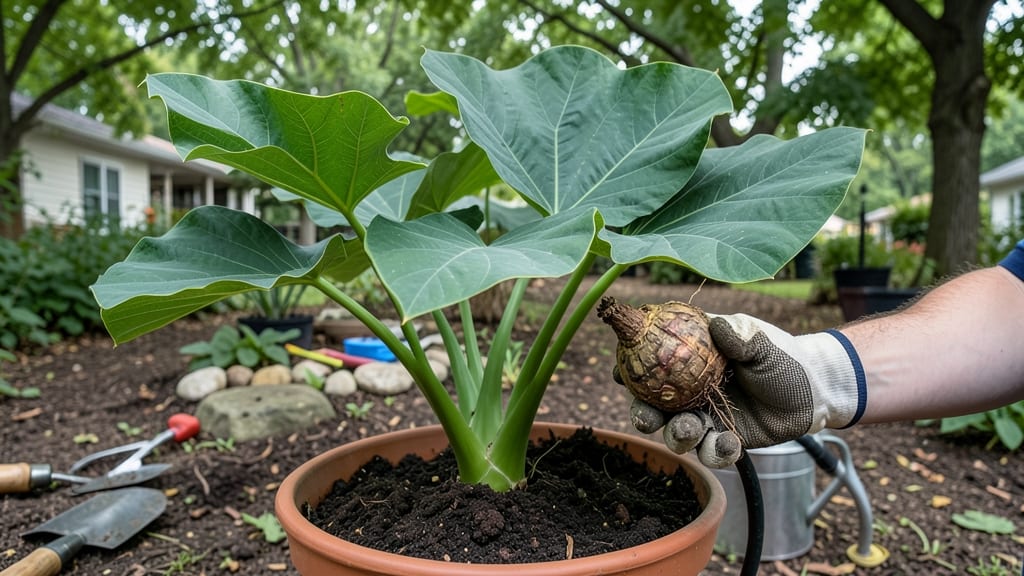
Best planting timeline for elephant ear bulbs in containers
Timing is critical when planting elephant ear bulbs in pots—get it wrong, and your tropical showstopper may fail to thrive. These dramatic foliage plants (like Colocasia and Alocasia) need warm soil and consistent moisture to establish roots.
In most U.S. climates, aim for spring planting after the last frost, but tropical varieties may also thrive with late summer starts.
For USDA Zones 7-11, the ideal window is when daytime temperatures stay above 60°F (15°C) and nighttime dips rarely below 50°F (10°C). In cooler zones (6-7), wait until mid-May to June—planting too early risks frost damage to tender bulbs.
Always check your local last frost date and add 2-3 weeks for soil to warm.
Here’s how to align your planting with your climate zone for maximum bulb success:
| USDA Zone | Best Planting Window | Soil Temp Threshold | Key Consideration |
|---|---|---|---|
| Zones 7-8 | Late April–May | 60°F (15°C) | Wait for nighttime temps above 50°F (10°C) |
| Zones 9-11 | March–April or Late Summer | 65°F (18°C) | Tropical varieties can handle late summer starts |
| Zones 6 or Cooler | Mid-May–June | 65°F (18°C) | Use black pots to warm soil faster |
For container gardening, timing also depends on whether you’re growing elephant ears as annuals or perennials. Annuals planted in spring will give you bold foliage all summer, while bulbs planted in late summer may overwinter in warmer zones (9-11) if protected.
In colder areas, treat them as seasonal containers—plant in spring, enjoy the show, then store bulbs indoors for next year.
Pro tip: If you’re unsure about your last frost date, use a soil thermometer to confirm temperatures. Elephant ear bulbs won’t sprout until soil hits 60°F (15°C), so rushing the process can lead to rotten bulbs or stunted growth. Patience here pays off with larger, healthier leaves by midsummer.
One common mistake? Planting elephant ears too deep in pots. These bulbs need their necks exposed—bury them just 1 inch below soil level to prevent rot.
Use a well-draining mix (more on that in the next section) and place pots in partial shade until roots establish, typically 4-6 weeks after planting.
For indoor pots, you can start elephant ear bulbs 6-8 weeks before your last frost date under grow lights to jumpstart growth. This is especially useful if you’re in a cooler zone and want to extend your tropical display earlier in the season.
Just ensure your indoor setup mimics outdoor conditions—warmth, humidity, and bright light are non-negotiable.
Finally, if you’re in a frost-prone area, consider using heat mats under pots to maintain soil warmth. This can shave 2-3 weeks off your planting timeline, giving your elephant ears a head start. Just remember: consistent moisture is key during this critical establishment phase.
Once planted at the right time, your elephant ears will reward you with stunning, oversized leaves that turn heads all season long. Now that you’ve got the timing down, let’s dive into choosing the perfect pots and soil mix to keep them thriving year-round.
Best planting timeline for elephant ear bulbs in containers
Elephant ear bulbs thrive in containers when planted at the right time—typically after your last frost date when soil temperatures stay above 60°F. For USDA Zones 7-11, this usually means late spring (April-May), but tropical varieties can also start in late summer (August-September) for a fall display.
Timing ensures your bulbs establish roots before extreme heat or cold hits.
In cooler climates like Zone 6 or below, wait until mid-May or after Memorial Day to avoid frost damage. If you’re in Zone 10+, you can plant year-round, but spring remains ideal for maximum growth.
Always check your local frost-free dates—a quick Google search for "[Your City] last frost date" will save you guesswork.
🌱 Elephant Ear Planting Timeline by Zone
| Zone | Best Planting Window | Soil Temp Threshold | Notes |
|---|---|---|---|
| 6-7 | Late May - Early June | 60°F+ consistently | Use black pots to warm soil faster |
| 8-9 | April - Early May | 55°F+ | Can plant as early as March in microclimates |
| 10-11 | Year-round (best in spring/fall) | 50°F+ | Protect from winter rains with covers |
For indoor pots, you can start bulbs 4-6 weeks before your ideal outdoor planting date. Place them near a bright window or under grow lights to encourage sprouting. Once shoots reach 3-4 inches tall, they’re ready to transition outdoors after hardening off for 7-10 days.
If you miss the spring window, don’t panic—late summer planting (July-August) works for tropical varieties like Colocasia. These bulbs establish roots quickly in warm soil and often bloom by early fall. Just ensure your containers have adequate drainage to prevent rot during monsoon seasons.
Pro tip: Mark your calendar for 2 weeks before your zone’s last frost date. This gives you time to prep pots, mix soil, and soak bulbs overnight to kickstart growth. Never plant frozen bulbs—they’ll rot before sprouting.
For year-round container gardening, aim to plant in early spring and late summer to stagger growth cycles. This ensures your patio always has lush foliage, even when some varieties go dormant.
Just remember: patience is key—elephant ears grow fast, but they need stable conditions to reach their 4-6 foot potential.