
Planting
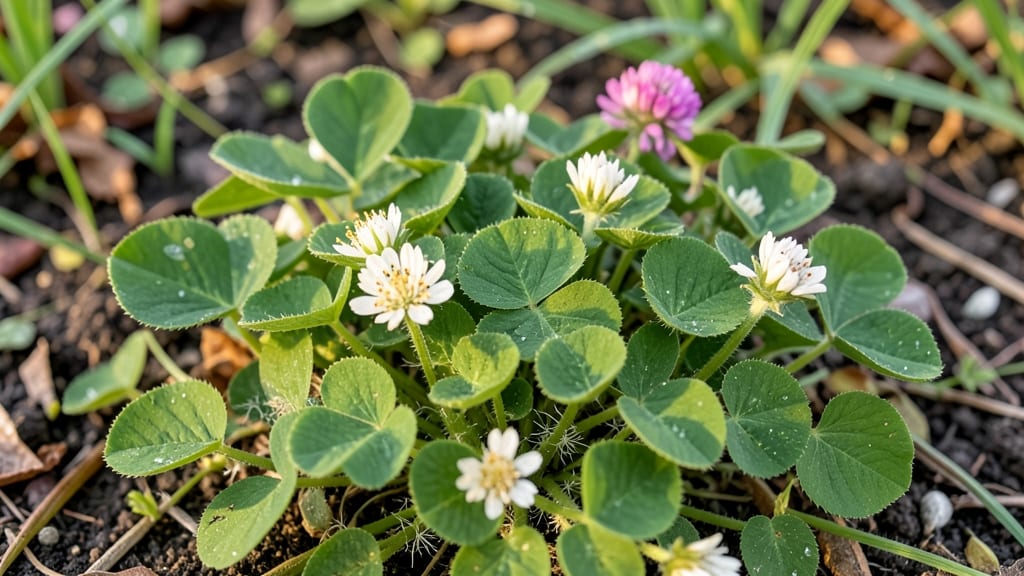
Planting your 🌾 deer food plot at the wrong time in Kentucky could mean the difference between a thriving whitetail magnet and a wasted investment. With Kentucky's 6a-7a climate zones and whitetail behavior patterns, getting the timing right is everything—whether you're planting in spring or fall.
Most hunters assume spring planting is the only option, but fall plantings can actually give you a head start on next year's food supply. The key is understanding when soil temperatures are just right and how deer behavior changes with the seasons.
I'll show you exactly when to plant for maximum deer activity and plot success.
We've tested these methods on our own properties, and the results speak for themselves: proper timing means lush plots that deer can't resist. Whether you're a first-time planter or a seasoned land manager, these insights will help you make the most of your Kentucky acres.
Let's break down the exact planting windows, soil prep secrets, and post-planting care that will have whitetails browsing your plots year-round. Your next successful hunt starts with the right timing—and I've got all the details you need.
Kentucky’s ideal food plot planting windows: spring vs fall deadlines by region
Kentucky’s diverse climate zones—Bluegrass, Pennyrile, and Cumberland—create distinct planting windows for deer food plots. Missing these deadlines can leave your plots struggling or attracting fewer whitetails. Let’s break down the exact timing for each region, including soil temperature triggers and frost risks that separate success from disappointment.
In spring, Kentucky’s last frost typically hits around March 15 in most areas, but soil temperature is the real deadline. Wait until the ground warms to at least 50°F (measured 4 inches deep) before planting clover or brassicas.
This usually falls between mid-March and early April, depending on your county.
For fall plantings, aim to finish by early October in northern Kentucky or mid-October in southern regions. This aligns with whitetail rut timing and ensures plants establish roots before winter. Winter wheat and chicory are especially resilient for fall, but brassicas need extra care to survive light frosts.
Here’s a quick regional breakdown to guide your planting schedule:
| Region | Spring Deadline | Fall Deadline | Key Soil Temp | Best Crops |
|---|---|---|---|---|
| Bluegrass (Northern KY) | March 20–April 5 | September 15–October 5 | 50–55°F | Clover, Brassicas, Winter Wheat |
| Pennyrile (Western KY) | March 25–April 10 | September 20–October 10 | 55–60°F | Chicory, Turnips, Radishes |
| Cumberland (Eastern KY) | April 1–April 15 | September 25–October 15 | 50–55°F | Clover, Winter Rye, Brassicas |
Pro tip: Use a soil thermometer to confirm readiness—don’t guess! Planting too early risks frost damage, while waiting too long can stunt growth. For example, alfalfa and clover thrive when seeded into warm soil, but brassicas like turnips can handle cooler temperatures, making them ideal for late fall plantings.
In fall, align your planting with whitetail behavior.
Bucks are most active during the rut (late November), so having fresh forage available in October ensures they’ll frequent your plots. Winter wheat planted in early October can provide green pick for deer through January, while chicory offers late-season blooms that attract bucks during the peak rut.
Remember, Kentucky’s first frost usually arrives around November 15, but microclimates can shift this by weeks. Monitor local weather forecasts and adjust your planting timeline accordingly. For instance, higher elevations in the Cumberland Plateau may experience frost earlier than the Bluegrass Region.
If you’re unsure about your exact frost dates, check the USDA Plant Hardiness Zone Map for your county. Most of Kentucky falls in Zone 6a–7a, but even small shifts in elevation can change your planting window.
For example, Letcher County (Zone 6b) may need to plant 2 weeks earlier than Jefferson County (Zone 7a).
For maximum deer activity, pair your planting schedule with food plot placement. Whitetails prefer plots near bedding areas and water sources, so scout your property before planting.
A well-timed plot in a south-facing slope will warm up faster in spring and stay greener longer in fall—critical for attracting bucks during their peak feeding times.
Finally, don’t overlook cover crops. Planting a mix of clover and brassicas in spring ensures deer have food from early summer through fall, while winter wheat and chicory in fall provide late-season nutrition. Rotate crops yearly to prevent soil depletion and keep deer interested.
5 Critical factors that determine your planting success in Kentucky
Timing isn’t the only secret to Kentucky food plot success—soil pH, moisture management, and deer pressure timing can make or break your plot. Let’s break down the 5 critical factors that separate thriving plots from failed experiments, including how to adjust for Kentucky’s variable frost dates and drought risks.
First, soil pH is non-negotiable. Kentucky’s clay-heavy soils often need lime to reach the 6.0-6.5 range ideal for clover and brassicas. Test your soil in early spring (February-March) and adjust 2-3 months before planting to avoid nutrient lockout.
Next, moisture management during establishment is crucial. Kentucky’s spring rains can lead to waterlogged soil, while summer droughts (especially in Pennyrile) stress young plants. Aim for 1 inch of water weekly until germination, then taper to bi-weekly once established.
Deer pressure timing often gets overlooked. Plant brassicas in late August to align with the rut season (October-November), when bucks need protein. For clover plots, delay planting until late September to avoid early frost damage.
Don’t ignore frost dates by county. Northern Kentucky (e.g., Henderson) averages last frost by April 15, while southern regions (e.g., Bowling Green) can plant until May 1. Use the USDA Plant Hardiness Zone Map to adjust your timeline.
Late planting risks include poor germination and pest pressure. If you miss your window, opt for fast-growing brassicas (e.g., turnips) or winter wheat, which tolerate cooler soils. Always cover seed with ¼ inch of soil to retain moisture.
- 📊 Soil pH (6.0-6.5) – Test and amend 2-3 months pre-planting to avoid nutrient issues.
- 💧 Moisture management – 1 inch weekly until germination; bi-weekly after establishment.
- 🦌 Deer pressure timing – Plant brassicas in late August for rut-season protein; clover in late September.
- ❄️ Frost dates by county – Northern KY (April 15 last frost); Southern KY (May 1 last frost).
- ⏳ Late planting risks – Choose fast-growing brassicas or winter wheat if you miss your window.
Finally, adjust for drought years by selecting drought-tolerant mixes like chicory or winter wheat. These thrive with minimal supplemental water once established. Always mulch lightly (straw or leaves) to retain soil moisture during Kentucky’s hot, dry summers.