
Plants
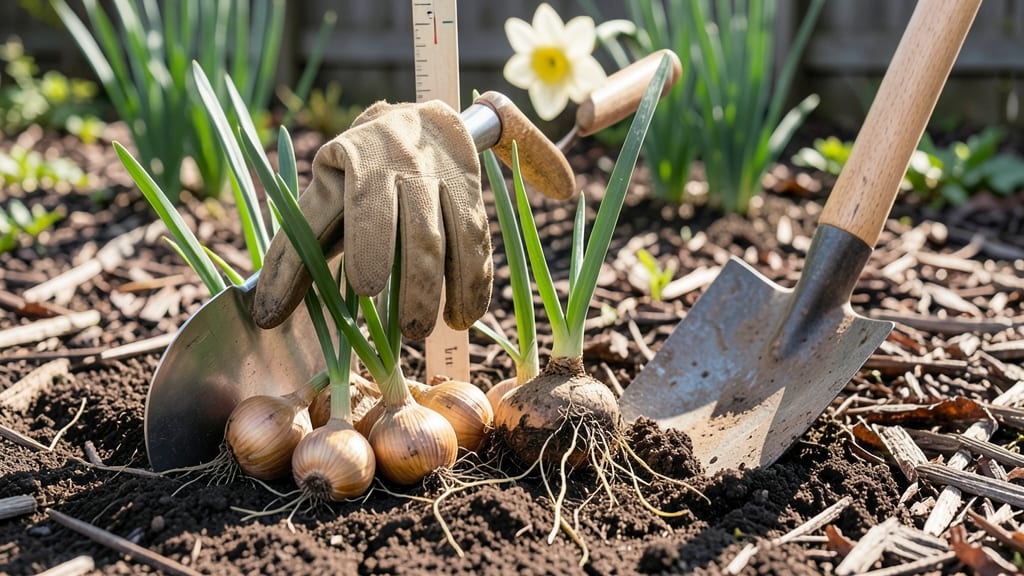
Timing your daffodil planting in Virginia perfectly is the secret to vibrant spring blooms that brighten up your garden before summer even arrives. If you plant too early, bulbs might rot; too late, and frost could damage them before they establish roots.
The 6-week window between October and November is your golden opportunity, but Virginia’s unpredictable fall weather adds a layer of challenge.
Most gardeners in Zones 6b-7a swear by planting in early October, when soil temperatures hover around 50°F—cool enough to prevent rot but warm enough for root growth. This timing ensures your 🌼 daffodils will be ready to push through the soil as soon as winter loosens its grip.
But what if an early frost sneaks in? Or if those Indian summer days linger just a little too long?
In this guide, I’ll break down the exact months to plant, how to adjust for Virginia’s quirky weather, and which daffodil varieties handle our frost zones like champions.
You’ll also learn the 3 key steps to prepare your soil and space bulbs correctly—so your garden doesn’t just survive winter, but thrives for years to come.
Whether you’re a first-time planter or a seasoned gardener, getting this right means fewer headaches in spring and more of those cheerful yellow faces popping up where you want them. Let’s make sure your daffodils get the best possible start—before the first frost even thinks about showing up.
Best planting months for daffodils in Virginia Zones 6b-7a
Virginia’s Zones 6b-7a offer a narrow but critical window for planting daffodils—6 weeks before the first hard frost. This typically lands in mid-October to early November, but your exact timing depends on whether you're in the mountains, Piedmont, or coastal plain.
Planting too early risks rot, while waiting too long means bulbs won’t establish roots before winter. The goal? Give daffodils 4-6 weeks of cool soil temperatures (50-60°F) to root before the ground freezes.
For most of Virginia, this translates to October 15th to November 15th as your sweet spot. However, northern Virginia (Zone 6b) should lean toward the earlier end of this window, while southern Virginia (Zone 7a) can stretch into mid-November.
Check your local USDA frost map or use a soil thermometer—when temps drop below 40°F, it’s time to plant.
Why fall? Daffodils are cool-season bulbs that need chilling time to bloom. Planting in spring skips this critical step, resulting in weak or no flowers. The 6-week rule ensures bulbs establish roots but haven’t yet sprouted—giving them a head start for spring’s grand debut.
Think of it as a race against the clock between frost and bulb dormancy.
Here’s how to translate this into action: If you’re in Roanoke (Zone 6b), aim for October 20th. In Richmond (Zone 7a), you’ve got until November 10th. For Norfolk (Zone 7b), push to mid-November.
Miss the window? Don’t panic—December planting is still possible if the ground isn’t frozen, but blooms may be delayed or smaller.
| Virginia Region | Zone | Best Planting Window | Soil Temp Goal | Frost Risk |
|---|---|---|---|---|
| Northern VA (e.g., Winchester, Staunton) | 6b | October 15–31 | 50–60°F | High (early frost) |
| Central VA (e.g., Charlottesville, Lynchburg) | 7a | October 20–November 10 | 50–60°F | Moderate |
| Southern VA (e.g., Petersburg, Virginia Beach) | 7b | October 25–November 15 | 55–65°F | Low (later frost) |
| Mountains (e.g., Blacksburg, Abingdon) | 6a-6b | October 1–15 | 45–55°F | Very High |
Pro tip: Use a soil thermometer to confirm readiness. Daffodil bulbs need 40–50°F soil temps to start rooting. If your soil is still warm (65°F+), wait a week or two—rot is a real risk in overheated soil.
For extra insurance, plant in well-draining soil (sandy loam works best) and avoid low-lying areas where frost collects.
What if you’re still unsure? Plant a test bulb in early October. If it sprouts by November, you’re in the clear for full planting. If not, hold off until soil cools.
Remember, daffodils planted in fall bloom in spring, while spring-planted bulbs often flop. This isn’t just about timing—it’s about setting your daffodils up for a showstopping spring display.
For container gardening, the rules are similar, but you’ve got a little more flexibility. Plant in October-November and use well-draining potting mix with perlite. Just be sure to bury containers deep enough so bulbs aren’t exposed to freeze-thaw cycles.
In pots, daffodils often bloom 1–2 weeks earlier than in-ground plants—another reason to nail your fall planting!
Missed the fall window? Don’t despair—spring planting is an option, but expect smaller blooms or delayed flowering. If you go this route, plant in late winter (February) as soon as the soil is workable.
The trade-off? You’ll sacrifice some of the vibrant spring color that makes daffodils a garden staple. When in doubt, fall planting wins every time.
Finally, mark your calendar for next year by noting when your local chronicling daffodil blooms typically start. This is your personalized bloom clock—and it’s the best way to fine-tune your planting schedule for years to come. Happy digging! 🌼
How to adjust planting time for Virginia’s unpredictable fall weather
Virginia’s fall weather can be as unpredictable as a toddler’s mood—one day warm and sunny, the next a surprise frost. If you’ve ever planted daffodils too early and watched them rot in soggy soil, or too late and had them freeze before rooting, you know the stakes.
The key is flexibility: knowing how to read your local cues and adjust your timeline accordingly.
Start by checking your soil temperature. Daffodil bulbs need soil that’s below 60°F but above freezing to root properly. Use a soil thermometer (or bury a thermometer in the garden) to confirm.
If temperatures hover around 50-60°F, it’s prime time. If it’s still above 60°F, wait—warm soil can cause bulbs to sprout too early and get fried by frost.
Here’s my backup plan for Virginia gardeners: If early October brings unseasonable warmth, hold off planting. Instead, store bulbs in a cool, dark place (like a garage) until soil temps drop.
Conversely, if frost threatens before you’ve planted, cover bulbs with straw or leaves and finish planting as soon as the ground thaws.
Pro Tip: Use a mulch blanket (straw or shredded leaves) to insulate newly planted bulbs if frost is forecasted within 2 weeks.
Don’t forget to test your soil moisture before planting. Daffodils hate soggy soil, but they also won’t thrive in bone-dry ground. Aim for soil that’s moist but well-draining. If your garden tends to stay damp, plant bulbs on a slight mound or raised bed to prevent rot.
For sandy soils, mix in compost or peat moss to retain moisture.
If you miss the ideal window entirely, don’t panic! You can plant daffodils in early December (or even January) as long as the ground isn’t frozen solid. While blooms may be delayed, the bulbs will still survive. Just water deeply after planting and protect them with mulch until spring.
Finally, keep an eye on the 10-day forecast. If a hard freeze (28°F or below) is predicted within a week of planting, delay until conditions stabilize. Daffodils are tough, but newly planted bulbs are vulnerable until roots establish—usually after 4-6 weeks.