
Plants
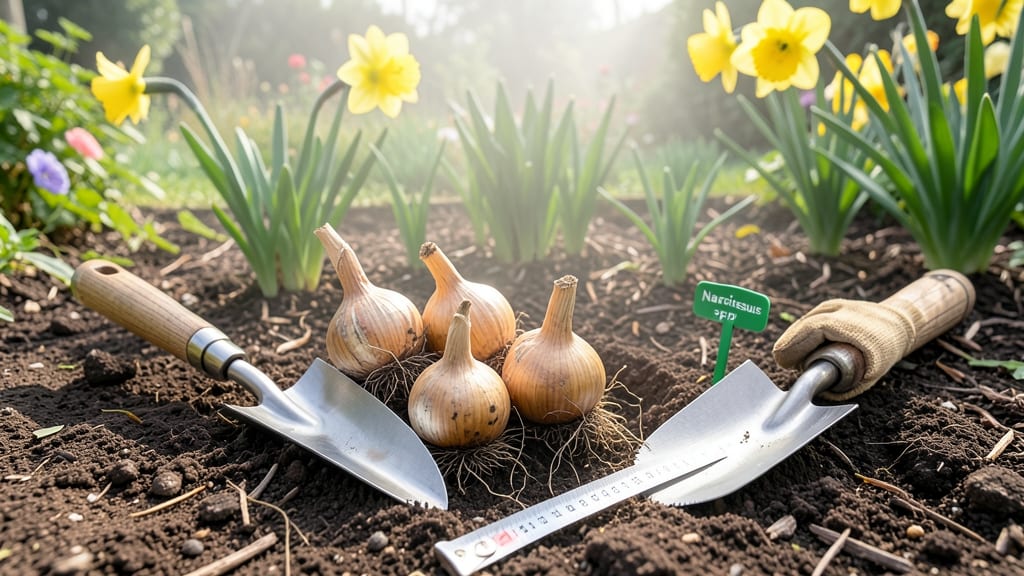
Massachusetts daffodil planting calendar: exact fall dates by hardiness Zone
Massachusetts spans USDA hardiness zones 4b through 6b, meaning your daffodil planting window varies by region. In northern MA (zones 4b-5a), like the Berkshires or North Shore, aim for mid-October to early November—just as soil temps drop to 45-55°F.
For southeastern MA (zones 6a-6b), like Cape Cod or the South Coast, late October to mid-November works best, giving bulbs time to root before winter.
Your goal is to plant 6 weeks before the ground freezes. In most of MA, this means early October to mid-November, but check your local first frost date (typically mid-October) and count backward.
For example, if frost hits October 15, plant by September 1—but soil must be cool but workable, not frozen.
Here’s the key: Soil temperature matters more than air temperature. Use a soil thermometer to confirm 50-60°F at 4-inch depth. If your soil is still 65°F+, wait 2-3 weeks.
In western MA (zones 5a-5b), like Worcester or Springfield, late September to early October is ideal—earlier than coastal areas due to cooler nights.
Pro tip: Adjust for microclimates. A south-facing slope warms faster than a north-facing yard. If your garden stays moist longer, plant 2 weeks later to avoid bulb rot. Conversely, sandy soil dries quickly—plant 1-2 weeks earlier to capitalize on residual summer warmth.
| USDA Zone | Region Examples | Ideal Planting Window | Soil Temp Threshold | Frost Risk |
|---|---|---|---|---|
| 4b-5a | Berkshires, North Shore, Amherst | Mid-October to early November | 45-55°F (4-inch depth) | High (first frost: Oct 15-20) |
| 5b | Worcester, Springfield, Pittsfield | Late September to early October | 50-60°F (4-inch depth) | Moderate (first frost: Oct 20-25) |
| 6a-6b | Boston, Cape Cod, Providence | Late October to mid-November | 55-65°F (4-inch depth) | Low (first frost: Nov 1-10) |
🌼 Planting Deadline Rule: Never plant after November 15 in MA—bulbs need 4-6 weeks to root before winter.
If you miss the fall window, spring planting is possible but risky. Plant in March or early April only if your soil thaws by mid-March. However, spring-planted bulbs often bloom later or produce fewer flowers.
For best results, stick to fall—it’s the only guaranteed way to get full-size blooms next spring.
Use local weather trends to fine-tune your timing. For example, 2023’s early frost in western MA (October 5) meant gardeners had to plant by September 15. Check the NOAA climate database for your town’s 30-year frost averages—this is your best bet for zero-guesswork planting.
One last tip: Plant in layers if you’re unsure about timing. Add 3-4 inches of mulch after planting to insulate bulbs. This extends the rooting window by 1-2 weeks in zone 5 and prevents frost heave (when bulbs push out of the ground).
Just remove mulch in early spring to avoid rot.
For container gardening, follow the same rules but plant 2 weeks earlier—pots cool faster. Use well-draining mix with perlite to prevent waterlogged roots. In zone 6b, you can even plant as late as December, but bulbs may need winter protection (like straw mulch).
Remember: Daffodils are hardy but not invincible. The #1 mistake in MA is planting too late—bulbs won’t root before frost. The #2 mistake is planting too shallow (less than 6 inches deep), which exposes them to freeze-thaw cycles.
Next up: 5 soil readiness signs to avoid these pitfalls.
5 Critical signs your Massachusetts soil is ready for daffodil bulbs
Timing your daffodil planting in Massachusetts isn’t just about checking a calendar—it’s about reading your soil’s hidden signals. Daffodil bulbs need 45-55°F soil temperatures and specific conditions to thrive. Ignoring these cues often leads to bulbs rotting before winter or sprouting too early and getting fried by frost.
Let’s decode the 5 critical signs your Massachusetts garden is ready for planting.
First, check the soil temperature—this is your #1 indicator. Use a soil thermometer (just $10 at garden centers) to confirm temperatures between 45-55°F. In Massachusetts, this typically aligns with late October to mid-November, but early frosts can push it to September in northern zones.
Pro tip: Test in the late afternoon when soil is warmest.
Next, observe leaf drop timing in your area. When maple, oak, and birch leaves begin their final descent, your soil is likely cooling rapidly—this is your 6-week countdown to plant.
In USDA Zone 5b (northern MA), this usually lands in early October, while Zone 6b (southeast MA) can wait until mid-October.
| Sign | What It Means | MA Timing |
|---|---|---|
| Soil temp 45-55°F | Bulbs won’t rot from cold | Late Oct–Mid-Nov |
| 70% leaf drop | 6-week frost window ahead | Early–Mid Oct |
| Moist but not soggy | Prevents bulb rot | Always |
| Frost forecast 6+ weeks out | Safe planting window | Check NOAA |
| Grass stops growing | Soil microbes slow down | Late Sept–Oct |
Don’t overlook moisture levels—your soil should feel like a wrung-out sponge. Stick your finger 6 inches deep; if it’s damp but not soggy, you’re golden. Waterlogged soil in fall is a silent killer of daffodil bulbs, causing them to rot before winter.
If your yard drains poorly, amend with compost or sand before planting. A quick fix: Plant bulbs on a slight mound to improve drainage.
Finally, verify the frost forecast using the NOAA’s National Weather Service. Aim to plant 6 weeks before your area’s average first frost date. In Zone 5b, this means planting by October 15th, while Zone 6b gardeners can stretch to November 1st.
Pro move: Bookmark your local frost probability map—it’s your early-warning system for adjusting planting dates.
When you spot all five signs—soil temp, leaf drop, moisture, frost window, and grass dormancy—your Massachusetts garden is ready for daffodil bulbs. Plant them 6 inches deep and 6 inches apart, then cover with mulch to insulate against winter’s chill. Your spring blooms will thank you! 🌼