
Plants
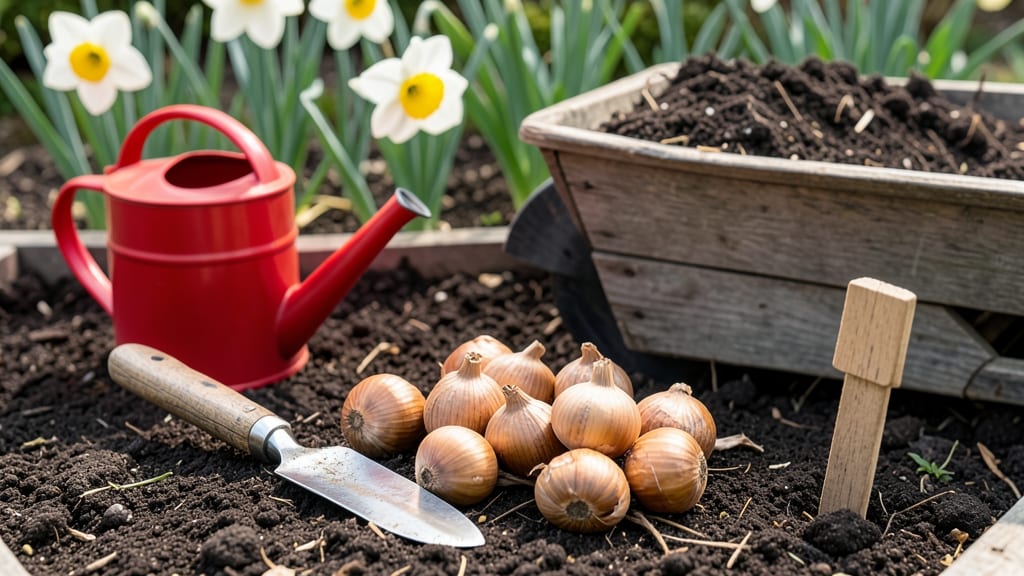
If you’ve ever stared at a bag of daffodil bulbs wondering "when to plant daffodil bulbs in Seattle"—only to freeze because the weather forecast changes daily—you’re not alone. Seattle’s Zone 8a climate demands precision timing to avoid frost damage while giving those 🌼 roots the perfect head start.
The key is planting between October and November, when soil temperatures drop to 50–60°F but before the ground freezes solid. This 4–6 week window ensures bulbs establish roots before winter’s chill sets in, guaranteeing those cheerful blooms by next spring.
I’ll walk you through the exact steps—from soil prep to mulching hacks—to make your planting foolproof, even with Seattle’s notorious rain and microclimates. No more guesswork, just vibrant 🌼 daffodils that outshine the gray.
Ready to skip the trial-and-error? Let’s dive into the best months and pro tips to plant your bulbs like a Seattle gardening pro.
Seattle’s ideal daffodil planting window: months and soil temperature rules
Seattle’s Zone 8a climate creates a narrow window for planting daffodil bulbs—too early and frost zaps tender roots, too late and they won’t establish before winter. The magic happens when soil temps hit 50–60°F and 4–6 weeks before ground freeze (typically mid-October to mid-November).
This timing ensures roots grow before Seattle’s first frost (Nov 15) while avoiding soggy winter soil.
Your ideal planting window is October 15–November 15, aligning with Seattle’s 60°F soil threshold. Early October plantings risk early frost damage in chilly microclimates like Snoqualmie Pass, while December plantings often fail to root before winter dormancy.
Use a soil thermometer ($10 at garden centers) to confirm readiness—55°F is your sweet spot.
Seattle’s Puget Sound microclimate (milder winters) allows slightly later planting (through November) compared to drier Eastside areas, where early November is safer. Check your local USDA frost map—Seattle’s 165 frost-free days mean bulbs need 6–8 weeks to root before winter sets in.
Here’s your Seattle-specific planting timeline with soil temp rules and microclimate adjustments:
| Stage | Action | Soil Temp | Seattle Window | Microclimate Note |
|---|---|---|---|---|
| Prep Soil | Loosen soil 12" deep, mix in compost | 60°F+ | Early September | Eastside: Add sand for drainage |
| Plant Bulbs | 6–8" deep, pointy end up | 50–60°F | Oct 15–Nov 15 | Puget Sound: Up to Nov 20 |
| Mulch | 2–3" organic mulch (straw) | Below 50°F | After Nov 1 | Windward areas: Extra mulch |
| Winter Check | Inspect for heaving (bulbs pushing up) | Frozen | December–February | Heavy clay soil: Add gravel |
| Spring Prep | Remove mulch, fertilize lightly | 40°F+ | March | Low areas: Improve drainage |
Pro tip: Test your soil’s drainage before planting—Seattle’s wet winters cause root rot if bulbs sit in soggy soil. Dig a 12-inch hole, fill with water, and time drainage.
If it takes more than 4 hours, amend with compost or sand. Container gardeners can plant in well-draining pots with perlite mixed into soil.
For Puget Sound gardeners, aim for late October to early November—the milder maritime climate delays frost slightly. Eastside gardeners should plant by mid-November to avoid early winter freezes.
Always plant after the first frost if your area had an unseasonably early chill (check Seattle’s NOAA frost data for updates).
One common mistake is planting too shallow—Seattle’s 6–8 inch depth protects bulbs from heaving (freeze-thaw cycles pushing them up). Use a trowel with depth markers or a ruler to ensure consistency. Spacing 3–6 inches apart prevents crowding and disease spread in Seattle’s damp climate.
Remember: Daffodils naturalize—once planted, they’ll return yearly with fewer care needs. The key to Seattle success is timing roots before frost and protecting from winter rains. With the right window, you’ll see bright blooms by April, beating Seattle’s spring showers.
Step-by-step planting guide for Seattle gardeners: depth, spacing, and mulching hacks
Now that you’ve picked your ideal planting window, let’s dive into the hands-on steps for Seattle-specific daffodil success. The key is getting the depth, spacing, and mulching right to protect your bulbs from our wet winters.
I’ll walk you through each step—plus how to adapt for containers or raised beds if you’re working with limited space.
First, choose healthy bulbs—look for firm, plump daffodils with no signs of mold or soft spots. If you’re planting in containers, use a well-draining mix with perlite or sand.
For in-ground planting, pick a spot with 6+ hours of sun and loose, well-draining soil. Seattle’s clay-heavy soil? Amend it with compost to improve drainage before you plant.
🌱 Step-by-Step Planting Guide for Seattle Daffodils
- 1. Mark your spots: Use a stick or trowel to dig holes 6–8 inches deep (about 3x the bulb’s height). Space holes 3–6 inches apart for dwarf varieties or 6–8 inches for standard daffodils.
- 2. Add compost: Mix a handful of compost or bone meal into each hole to give roots a nutrient boost before winter.
- 3. Plant pointy-side up: Place each bulb in the hole with the pointed end facing upward. This ensures proper growth direction.
- 4. Backfill and water: Cover the bulb with soil, then water deeply to settle it in. Aim for 1 inch of water per week until the ground freezes.
- 5. Mulch like a pro: Apply 3–4 inches of mulch (straw, shredded leaves, or pine needles) to insulate bulbs and retain moisture. Replenish mulch in late winter if it breaks down.
For raised beds or containers, follow the same depth rules but use a fast-draining mix to prevent rot. If you’re planting in September, cover bulbs with a lightweight frost blanket on cold nights to protect them until roots establish.
Pro tip: Label your spots—daffodils take time to pop up, and you’ll forget where you planted them!
After planting, avoid fertilizing until spring. Daffodils store energy in their bulbs over winter, and extra nutrients now can encourage early top growth, which frost will kill.
Instead, focus on keeping the soil moist but not soggy. Once spring arrives, you’ll see those first green shoots—proof your timing paid off!
If you’re in a Puget Sound microclimate (cooler and wetter), plant earlier in October to give bulbs time to root before heavy rains. For the Eastside’s drier climate, late October or early November works better.
Either way, don’t wait until December—bulbs need 4–6 weeks of root growth before frost sets in.
Remember, patience is key. Daffodils are perennials, meaning they’ll come back year after year if planted correctly. With these steps, you’ll be rewarded with bright yellow blooms in late winter or early spring—just in time for Seattle’s first real sunshine. Happy planting!