
Plants
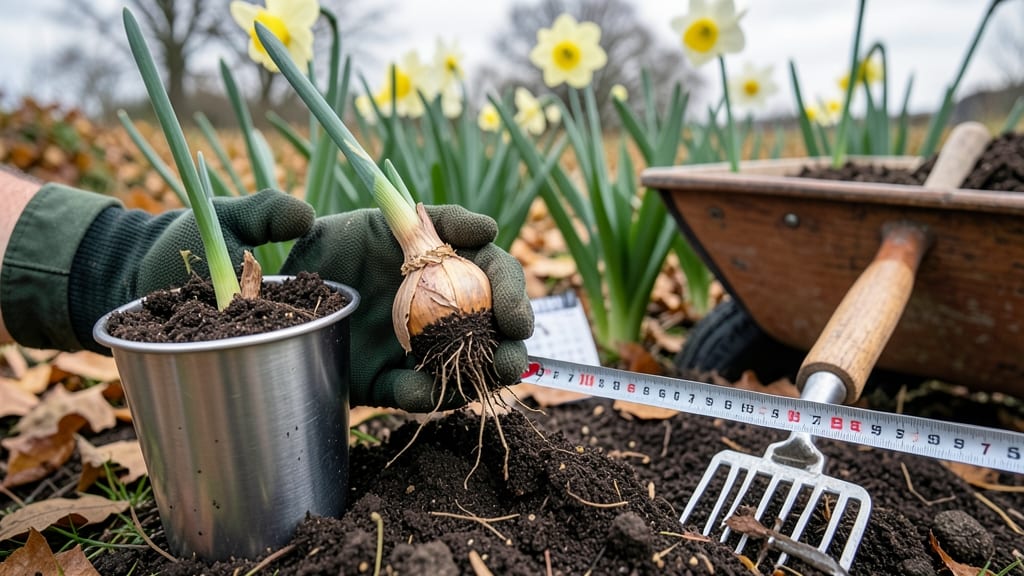
Timing your daffodil bulbs planting in Northern California can make or break your spring blooms—especially when coastal fog meets inland heat. Miss the window, and you risk bulbs rotting before winter's chill sets in, or blooms fading before they even open.
I’ve planted 🌼 daffodils in zones 8a-9b for years, and the difference between a thriving garden and a failed experiment comes down to one critical factor: soil temperature. Coastal areas like San Francisco can plant earlier (October), while inland spots near Sacramento should wait until November to avoid frost surprises.
Here’s the game-changer: your planting deadline isn’t just about months—it’s about 6-8 weeks before the first hard frost. That means checking local frost charts (yes, they vary even within the same county) and adjusting for microclimates where urban heat islands or fog pockets throw off the usual schedule.
Ready to skip the guesswork? I’ll walk you through the exact steps—from soil prep to bulb depth—that guarantee your daffodils burst into color next spring, no matter where you live in Northern California. Let’s get those bulbs in the ground the right way.
Northern California daffodil planting calendar: exact months by microclimate zone
Northern California’s diverse climate means your daffodil planting window varies dramatically from coastal San Francisco to inland Sacramento. While most gardeners aim for October through December, the first hard frost (typically mid-December in inland areas) and soil temperature thresholds (ideal: 50-60°F) determine your exact deadline.
Plant too early, and bulbs may rot from excess moisture; too late, and they won’t establish roots before winter dormancy.
Coastal regions like Marin County and Santa Cruz enjoy milder winters, allowing planting until early January. Meanwhile, Sacramento Valley and Sierra foothills (USDA zones 8a-9b) must finish by mid-November to avoid frost damage.
Even within cities, urban heat islands can shift your window by 2-3 weeks—so check your local frost date charts.
🌼 Northern California Daffodil Planting Windows by Microclimate
| Zone | USDA Zone | Ideal Planting Window | Last Safe Date | Soil Temp Threshold |
|---|---|---|---|---|
| Coastal (San Francisco, Santa Cruz) | 9a-9b | October 15 – January 10 | January 10 | 55-60°F |
| Bay Area (Oakland, Berkeley) | 9a-9b | October 1 – December 15 | December 15 | 50-55°F |
| Sacramento Valley (Sacramento, Stockton) | 8a-9a | October 1 – November 15 | November 15 | 50-55°F |
| Sierra Foothills (Chico, Redding) | 7b-8a | September 15 – November 1 | November 1 | 45-50°F |
🌡️ Pro Tip: Use a soil thermometer to confirm soil temps—cooler zones may need earlier planting.
For early-blooming varieties (like ‘Tête-à-Tête’ or ‘Ice Follies’), aim for October planting—they need 12-14 weeks of chill to bloom. Late bloomers (such as ‘Papillon’) can wait until November but risk shorter stems if planted too late.
Always plant bulbs 6-8 inches deep and 6 inches apart to prevent crowding and rot.
If you’re in a transition zone (e.g., Napa Valley or Sonoma Coast), err on the side of earlier planting. Coastal areas experience delayed frosts but also higher rainfall in winter—so amend soil with compost to improve drainage.
Inland areas, meanwhile, benefit from mulching with straw to retain moisture during dry spells.
Don’t forget to adjust for elevation: Areas above 2,000 feet (like Lake Tahoe’s foothills) may need planting as early as September.
Check the National Weather Service’s frost prediction maps for your specific area—these are updated annually and account for La Niña/El Niño patterns that can shift frost dates by 10-14 days.
For container gardening, your window is slightly more flexible—plant 4-6 weeks before your area’s first frost. Just ensure pots have drainage holes and use a lightweight p
Critical factors that determine your planting deadline (beyond just months)
Northern California's microclimates create wildly different conditions—even just 50 miles apart. The Bay Area's coastal fog can delay planting by weeks compared to the Sacramento Valley's dry heat. Your exact deadline depends on three key factors: soil temperature, rainfall patterns, and the specific daffodil variety you're planting.
Most gardeners focus only on months, but soil temperature is the real game-changer. Daffodil bulbs need 60°F soil to start rooting. In cooler coastal areas, this might not happen until mid-November, while inland zones like Sacramento can reach this threshold by late October.
Use a soil thermometer ($10 at garden centers) to check—if it's below 50°F, wait.
Rainfall patterns also shift your window. In dry inland zones, planting too early (before October) risks bulb rot from winter rains. Meanwhile, coastal areas with consistent moisture can plant later—sometimes even into early December. Check your local National Weather Service frost predictions to adjust.
Don't overlook daffodil variety differences. Early bloomers like 'Tête-à-Tête' need planting by mid-October to flower in February, while late varieties like 'Ice Follies' can wait until November. The rule: 6-8 weeks before your first hard frost is ideal for most types.
Pro tip: Layer your planting by variety. Start with early bloomers in October, then add mid-season types in November, and finish with late bloomers in December.
This extends your spring color show from February to April. Just remember—never plant after December 15, or you risk frost damage before roots establish.
For coastal gardeners, the October surprise is real—unpredictable Pacific storms can delay planting. Keep bulbs in a cool, dark place (like a garage) until conditions improve. Inland gardeners should act fast after October 15—soil dries quickly, and bulbs need moisture to root.
Finally, test your soil's drainage before planting. Daffodils hate soggy conditions. Dig a 6-inch hole, fill it with water, and time how long it takes to drain.
If it's still wet after 2 hours, amend with compost or sand to improve drainage. Well-draining soil is your best defense against bulb rot in Northern California's unpredictable winters.