
Plants
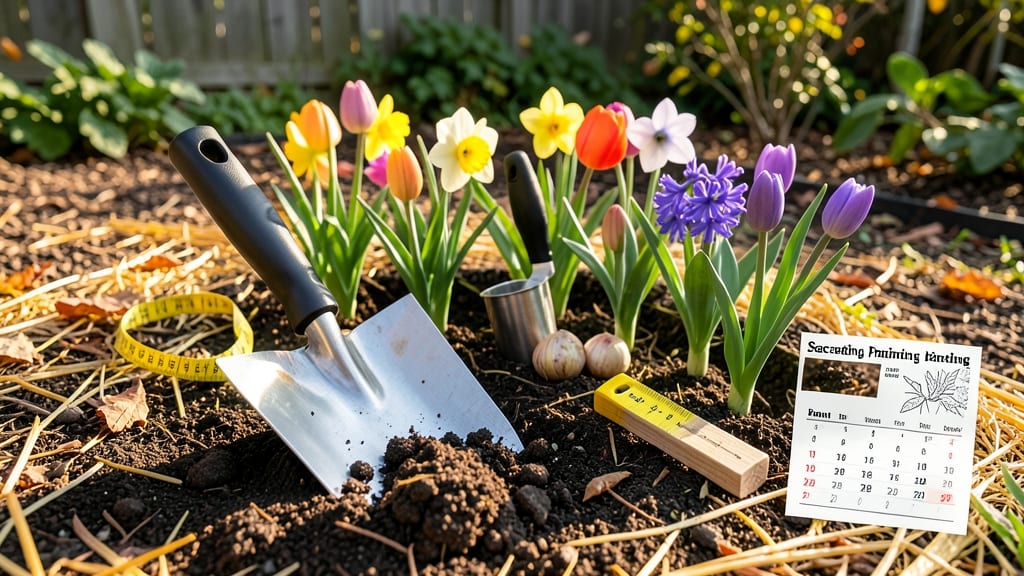
Best fall planting times for Zone 7b bulbs (with exact months)
Fall is the golden window for planting most bulbs in Zone 7b, giving them time to root before winter dormancy. Aim for 6-8 weeks before your first frost—typically mid-September to early November—when soil temps drop to 40-50°F.
This timing ensures bulbs establish roots but avoid rotting in cold, wet soil.
In Zone 7b, your first frost usually arrives around November 15, so count backward to pinpoint your ideal window. For example, if frost hits November 15, plant by late September to early October.
Coastal areas may have 1-2 weeks later due to milder microclimates, while inland regions should plant earlier to account for colder snaps.
Some bulbs, like daffodils, tulips, and crocus, must be planted in fall—they need cold stratification to bloom. Others, such as caladiums or cannas, can wait for spring. Always check the specific bulb’s needs before digging.
Soil temperature is your secret weapon. Use a soil thermometer to confirm temps are below 60°F but above freezing. If soil stays warm past November, delay planting to avoid rot. Mulch after planting to insulate bulbs and retain moisture.
Pro tip: Stagger your planting for extended blooms. Plant early bloomers (crocus, snowdrops) first in September, followed by mid-season (tulips, hyacinths) in October, and late bloomers (daffodils) in early November. This creates a continuous spring display from March to May.
Here’s a quick reference for Zone 7b’s fall planting timeline:
| Bulb Type | Ideal Planting Month | Soil Temp Range | Notes |
|---|---|---|---|
| Daffodils | October–November | 40–50°F | Resistant to squirrels; plant deep (8–10"). |
| Tulips | September–October | 45–55°F | Best in cooler climates; mulch heavily. |
| Hyacinths | October | 40–50°F | Fragrant blooms; plant in clusters. |
| Crocus | September–October | 40–50°F | Early bloomers; great for naturalizing. |
| Alliums | October–November | 45–55°F | Drought-tolerant; tall, dramatic blooms. |
If you miss the fall window, don’t panic—spring planting is an option for certain bulbs like caladiums, cannas, and dahlias. However, these won’t bloom as robustly as fall-planted varieties. For spring blooms, plant by late February to early March, ensuring soil is workable and frost-free.
Before planting, amend your soil with compost to improve drainage and add a slow-release bulb fertilizer. Avoid fresh manure, which can burn bulbs. Plant bulbs 3x deeper than their height (e.g., a 2-inch bulb goes 6 inches deep) and space them 3–6 inches apart, depending on the variety.
After planting, water deeply to settle soil and encourage root growth. Then, mulch with 2–3 inches of straw or leaves to protect bulbs from temperature swings. In Zone 7b, winter temps can fluctuate, so this insulation is key to preventing freeze-thaw damage.
Watch for squirrel activity—they love tulip bulbs! Use chicken wire cages or plant daffodils (toxic to squirrels) nearby. With the right timing and care, your bulbs will reward you with stunning spring color year after year.
Best fall planting times for Zone 7b bulbs (with exact months)
Fall is the golden window for planting most bulbs in Zone 7b, ensuring they establish roots before winter dormancy. Aim to plant 6-8 weeks before your first frost—typically mid-September to early November—when soil temperatures drop to 40-50°F.
This timing lets bulbs like tulips, daffodils, and hyacinths anchor before cold sets in.
Zone 7b’s first frost usually arrives around November 15, so work backward: October is prime time for most varieties. Coastal areas may have slightly later frosts, while inland regions should plant 2 weeks earlier to account for colder snaps. Check your local USDA frost map for precision.
🌱 Zone 7b Bulb Planting Summary
| Bulb Type | Ideal Planting Month | Soil Temp | Depth (inches) |
|---|---|---|---|
| Tulips, Daffodils | October | 40-50°F | 6-8" |
| Hyacinths, Crocus | September-October | 50-60°F | 4-6" |
| Alliums, Snowdrops | October-November | 40-50°F | 6-8" |
💡 Pro Tip: Use a soil thermometer to confirm temps before planting.
Soil temperature is critical—bulbs need 4-6 weeks to root before freezing.
Test soil with a thermometer or use the "finger test": push your finger into the soil; if it feels cool but not frozen, it’s ready. Late November plantings risk poor root growth, while September plantings may sprout too early in warm zones.
Adjust for regional microclimates within Zone 7b. Coastal areas (e.g., Savannah, GA) can plant 2 weeks later due to milder winters, while inland (e.g., Raleigh, NC) should plant earlier. Drought-prone areas need extra watering post-planting to encourage root establishment.
Mulch after planting with 2-3 inches of straw or leaves to insulate bulbs from freeze-thaw cycles. Avoid organic mulch like grass clippings, which can rott bulbs. In urban gardens, use landscape fabric under mulch to deter rodents that dig up bulbs for winter food.
If you miss fall, don’t panic—spring planting works for hardy bulbs like crocus and snowdrops, but most varieties (tulips, daffodils) won’t bloom reliably if planted later. Mark your calendar for next October to secure vibrant spring blooms! 🌷