
Plants
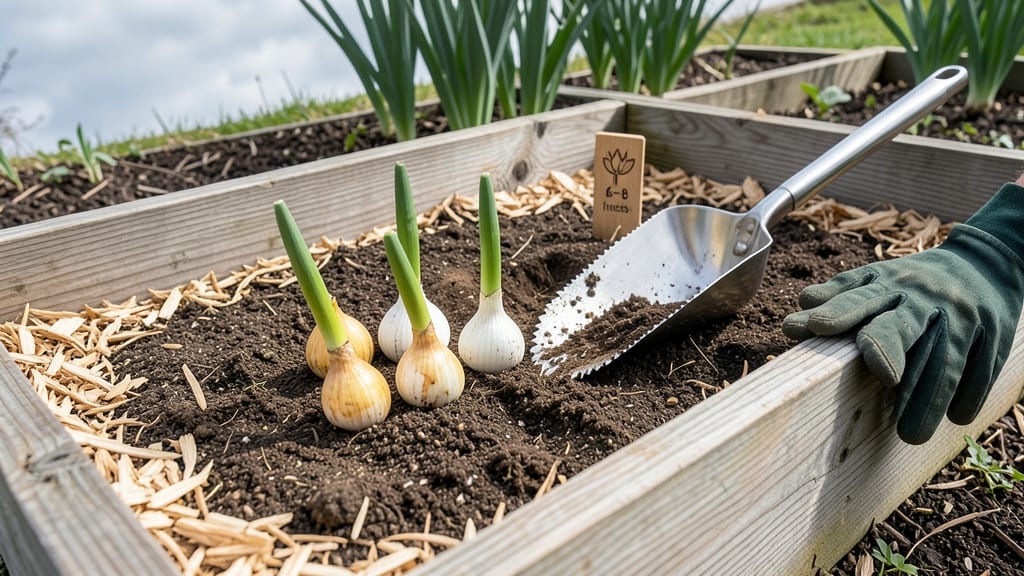
Planting daffodil bulbs in Alabama at the wrong time could mean missed blooms next spring—so getting the timing right is everything.
The key lies in Alabama’s 7a-8b climate, where frost dates shift between North and South regions, making the October-December window your best bet for strong root growth before winter.
Most gardeners assume fall planting is automatic, but Alabama’s unpredictable weather demands precision. Plant too early, and bulbs may rot in wet soil; too late, and they won’t establish roots before frost.
I’ll show you how to read your local frost dates and adjust planting for zero frost risk—so your 🌼 emerge vibrant and healthy.
Beyond the calendar, soil prep and bulb care matter just as much. Alabama’s clay-heavy soil and humidity can turn planting mistakes into costly failures. You’ll learn how to prep your soil, space bulbs correctly, and protect them from winter heaving—all tailored to Alabama’s unique conditions.
Ready to skip the guesswork? Let’s dive into the exact steps to plant daffodil bulbs in Alabama, ensuring your garden bursts with color come March—no matter where you live in the state.
Best months to plant daffodil bulbs in Alabama: frost-free timeline
Alabama’s USDA zones 7a-8b offer a 6-8 week window for planting daffodil bulbs, but timing is critical to avoid winter heaving or frost damage. The ideal planting window spans from mid-October to December, depending on your county’s first frost date.
Northern Alabama (like Huntsville) freezes earlier, while southern regions (like Mobile) enjoy later planting.
Daffodils need 4-6 weeks of root growth before the ground freezes to establish strong roots. In Alabama, this typically means planting between October 15 and November 30, with early varieties going in first. Late plantings in December are risky unless you have heavy mulch protection.
To pinpoint your exact window, check your county’s average first frost date. For example, Birmingham’s last frost is usually March 15, while Montgomery’s is March 1. Planting 6-8 weeks before these dates ensures bulbs root before dormancy.
| Alabama Region | USDA Zone | Ideal Planting Window | First Frost Date |
|---|---|---|---|
| Northern AL (Huntsville) | 7a-7b | October 15–November 15 | November 15 |
| Central AL (Birmingham) | 7b-8a | October 20–December 1 | November 25 |
| Southern AL (Mobile) | 8a-8b | November 1–December 15 | December 10 |
🌼 Plant bulbs 4-6 weeks before ground freezes
If you miss the fall window, January planting is a backup option for Alabama’s milder winters. However, bulbs planted after December may not bloom as vigorously due to shorter root establishment time.
For container gardening, you can plant as late as February, but ensure pots are in a protected, sunny location.
Pro tip: Use a soil thermometer to check when soil temps drop below 50°F (10°C). This is your cue to stop planting for the season. Alabama’s clay-heavy soils also benefit from amending with compost before planting to improve drainage and warmth retention.
For early blooming varieties, plant in late October to enjoy flowers in February or March. Late varieties can go in until mid-November for April blooms. Just remember: earlier planting = earlier blooms, but bulbs need time to root!
Alabama’s humidity and occasional early freezes make mulching essential. Apply 3-4 inches of mulch after planting to insulate bulbs and retain moisture. Organic mulches like straw or shredded leaves work best and break down to enrich the soil.
One common mistake is waiting until after the first frost to plant. By then, bulbs lack the root growth time needed to survive winter. Aim to finish planting by December 15 at the latest, especially in northern Alabama counties.
For container-grown daffodils, extend your planting window by using black plastic pots to absorb heat. These can keep soil temps warmer for 2-3 extra weeks of planting in cooler Alabama winters.
How to time daffodil planting for strong root growth in Alabama’s climate
Alabama’s clay-heavy soils and humid winters demand extra care when planting daffodil bulbs. The key to vibrant spring blooms lies in giving roots time to establish before winter dormancy. Aim to plant 4-6 weeks before the first frost—typically mid-October to December—when soil temps drop to 50-60°F.
For strong root growth, focus on well-draining soil mixed with compost. Alabama’s clay can compact easily, so amending it with organic matter prevents waterlogging. Dig holes 6 inches deep and space bulbs 4-6 inches apart to allow airflow and reduce fungal risks.
🌱 Critical Planting Tips for Alabama
- Soil Prep: Test pH (ideal: 6.0-7.0) and loosen clay with compost or sand.
- Planting Depth: 6 inches deep (twice the bulb height) to protect from winter heaving.
- Spacing: 4-6 inches apart for dwarf varieties, 6-8 inches for standard types.
- Mulching: Apply 3 inches of mulch (straw or pine needles) after planting to insulate roots.
- Watering: Water deeply once after planting, then reduce to monthly in winter.
Adjust timing for early vs. late varieties. Early bloomers (like 'Tête-à-Tête') can handle September planting in southern Alabama (Zone 8b), while late varieties (like 'Ice Follies') thrive with December planting in northern areas (Zone 7a). Check your last frost date—most of Alabama averages mid-March.
Alabama’s wet winters pose risks like rot or fungal diseases. Plant in raised beds if your yard stays soggy, and avoid overwatering. Once planted, skip fertilizing until spring—daffodils store energy in bulbs over winter. In early March, apply a light 10-10-10 fertilizer as shoots emerge.
For container planting, use pots with drainage holes and plant bulbs shallowly (4 inches deep). Move containers to a garage or sheltered spot if freezing temps (20°F) are forecasted. This mimics Alabama’s mild winters in southern regions while protecting northern gardens.
Monitor for winter heaving—when bulbs push up from freezing/thawing cycles. Mulch heavily in December and avoid disturbing soil until spring. With the right timing and care, your daffodils will burst through Alabama’s clay come March, unfazed by frost or humidity! 🌼