
Plants
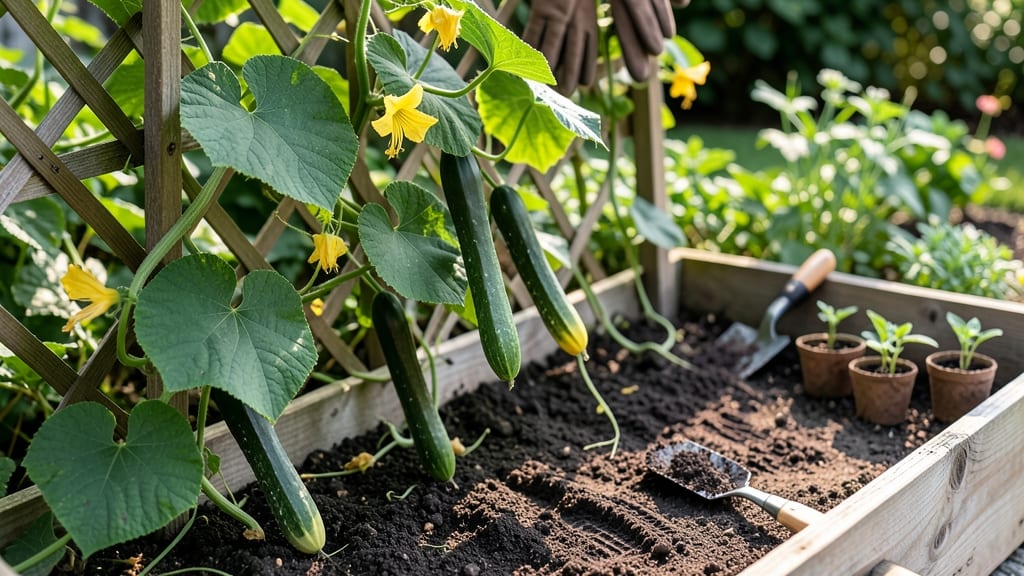
Planting cucumbers in West Virginia at the wrong time can leave you staring at empty vines by summer—especially when the state’s frost dates and microclimates vary wildly from Charleston to the Appalachian foothills.
The exact window between mid-April and early May isn’t just about avoiding frost; it’s about giving your 🥒 plants the 60°F soil warmth they crave to take off running.
Most gardeners in USDA Zone 6a wait until after the last frost (usually around April 15), but that’s just the starting line. The real secret? Monitoring soil temperature and adjusting for elevation—higher areas like Morgantown need that extra week to warm up, while lowland spots might be ready sooner.
Skipping this step means slower growth, fewer fruits, and a harvest that arrives too late for peak flavor.
Whether you’re direct-sowing seeds or transplanting starters, timing matters just as much as spacing. I’ll walk you through the precise dates for your specific corner of West Virginia, plus pro tips to extend your season with row covers and cold-tolerant varieties.
No more guessing—just a foolproof plan for cucumbers that thrive from July through September.
Ready to turn your garden into a 🥒 powerhouse? Let’s break down the science behind those planting dates and how to tweak them for your local conditions—so you’re harvesting crisp, homegrown cucumbers instead of watching your neighbors’ vines burst with fruit.
West Virginia cucumber planting dates by USDA Zone and microclimate
West Virginia’s diverse USDA zones (5-7) and microclimates create unique challenges for cucumber growers. The state’s last frost dates range from April 15 in lowlands to May 10 in high-elevation areas like the Appalachian foothills.
To succeed, align your planting with your specific local frost data and soil temperature thresholds of 60°F or higher.
In Zone 5 (northern WV), like Elkins or Lewisburg, wait until May 1-15 to plant after verifying soil warmth. Zone 6 (central WV), including Charleston and Morgantown, offers a 2-week earlier window (April 20-May 5). Zone 7 (southern WV), such as Bluefield or Huntington, can start as early as April 1-15, but monitor nighttime temperatures.
For direct-sown cucumbers, use black plastic mulch to warm soil faster and extend your planting window by 1-2 weeks. If you prefer transplants, start seeds indoors 3-4 weeks before your last frost date, then harden off seedlings for 7-10 days before transplanting.
Here’s a microclimate-specific planting schedule tailored to West Virginia’s key regions, including soil temperature and frost risk considerations:
| Region | USDA Zone | Last Frost Date | Ideal Planting Window | Soil Temp Threshold | Notes |
|---|---|---|---|---|---|
| Northern WV (Elkins, Lewisburg) | Zone 5 | May 1-15 | May 15-30 | 60°F+ | High elevation; use row covers for early starts. |
| Central WV (Charleston, Morgantown) | Zone 6a | April 20-May 5 | April 25-May 15 | 60°F+ | Moderate elevation; black mulch extends window. |
| Southern WV (Bluefield, Huntington) | Zone 7a | April 1-15 | April 10-May 1 | 55°F+ (earlier starts possible) | Warmer microclimate; monitor for early pests. |
| Urban Heat Islands (e.g., Parkersburg) | Zone 6b-7a | April 10-25 | April 15-May 10 | 58°F+ | Soil warms faster; prioritize evening watering. |
For high-elevation areas (e.g., Davis or Tucker County), consider cold-hardy varieties like 'Northern Pickling' or 'Tyria', which tolerate briefer growing seasons.
In urban heat islands, such as Parkersburg, soil warms 2-3 weeks earlier than rural areas, so adjust your planting 10-14 days ahead of the general schedule.
Always test soil temperature with a soil thermometer before planting—cucumbers won’t germinate in cold soil. If nighttime temperatures dip below 50°F, use row covers or cloches to protect young plants. For extended harvests, succession plant every 2 weeks until July 15.
Pro tip: Direct-sow seeds in warm soil for faster germination (5-7 days) compared to transplants. Use trellises to save space and improve air circulation, reducing disease risk in West Virginia’s humid summers.
How to adjust planting times for West Virginia’s unique conditions
West Virginia’s mountainous terrain and microclimates mean planting times can vary dramatically even within a single county. If you live in high-elevation areas like the Appalachian foothills, you’ll need to adjust your schedule by 1-2 weeks later than lower elevations.
Meanwhile, urban heat islands in cities like Charleston may allow for earlier planting.
For high-elevation gardens (above 3,000 feet), wait until May 1-15 to plant cucumbers, as cooler nights delay soil warming. Use black plastic mulch to raise soil temperatures 5-10°F faster than unmulched beds.
In valleys and river bottoms, where frost risk is lower, you can start as early as mid-April if nighttime temps stay above 50°F.
If you’re dealing with late spring frosts (common in West Virginia’s Zone 6a areas), opt for cold-hardy varieties like ‘Northern Pickling’ or ‘Sweet Success.’ These can tolerate brief chills down to 32°F for a few hours.
For extra protection, use floating row covers until plants are 12 inches tall—this buys you 2-3 weeks of extended growing time.
Urban gardeners in heat-prone areas (like Morgantown’s downtown) can push planting to late March if you use season extenders. Try a mini greenhouse or cold frames to jumpstart seeds indoors by 4-6 weeks before the last frost.
Transplant seedlings when soil hits 60°F—this often lands around April 20-30 for urban microclimates.
🌱 5 Key Adjustments for WV’s Climate
- Elevation: Add 1 week per 1,000 ft above sea level.
- Soil Warmth: Use soil thermometers—wait for 60°F+ at 4" depth.
- Frost Risk: Plant cold-tolerant varieties or use row covers.
- Urban Heat: Start 2 weeks early with season extenders.
- Late Spring: Extend season with trellises and drip irrigation.
Another trick for late-season harvests is to plant a second crop in July. Choose fast-maturing varieties (like ‘Straight Eight’) that can produce fruit before the first frost in October.
Space them 12-18 inches apart and use vertical trellises to save space—this lets you squeeze in a 6-8 week harvest before cold sets in.
Finally, monitor humidity levels—West Virginia’s summer heat and moisture can lead to powdery mildew if plants aren’t spaced properly. Aim for 36-48 inches between vines (or rows) to improve airflow.
If your area gets high rainfall (common in the eastern panhandle), consider raised beds with compost to prevent waterlogging, which stunts cucumber growth.