
Plants
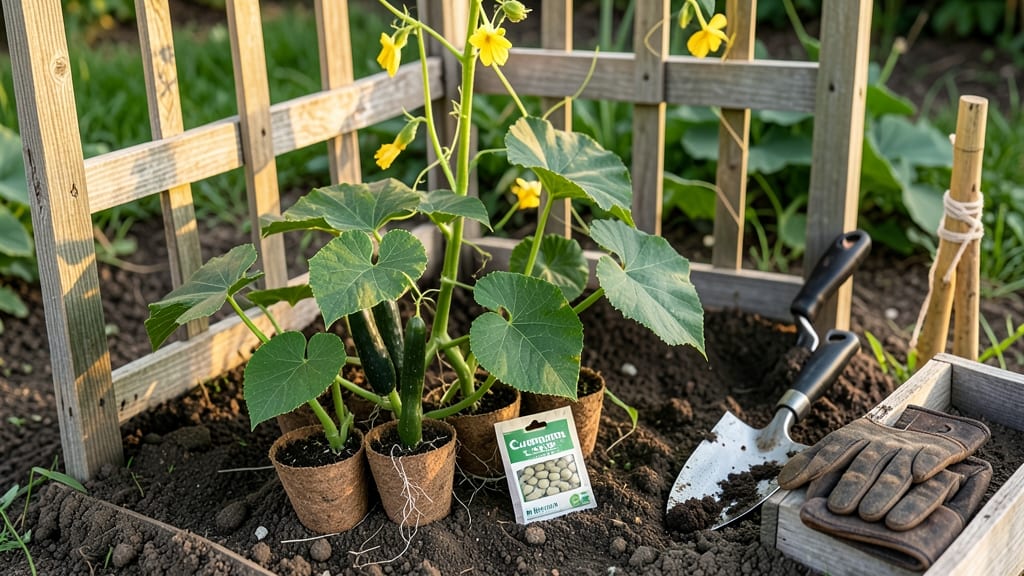
When do you plant cucumbers in Florida? Timing your 🥒 cucumber plantings in Florida isn't just about picking a month—it's about outsmarting the heat and humidity to avoid bitter fruit or wasted effort. With 300+ frost-free days and soil that can hit 90°F+ in summer, most gardeners either plant too early (risking bolting) or too late (missing the sweet spot for harvests).
The key to success lies in two critical windows: early spring (February-March) and late summer (July-August), when temperatures are just warm enough to kickstart growth without overwhelming the plants.
I've tested these timelines myself, and the difference between a bountiful harvest and a few sad cucumbers comes down to these exact months—and the heat-tolerant varieties that thrive in Florida's climate.
What you'll discover here are the exact planting months for both bush and vining cucumbers, plus soil prep secrets to help your plants beat the heat.
We'll also cover how to extend your harvest season with smart succession planting, so you're not left scrambling for fresh cucumbers when the grocery store's selection is lackluster.
Whether you're a first-time gardener or a seasoned green thumb, these Florida-specific tips will help you grow bolting-free cucumbers that produce from May through October—no guesswork required.
Optimal Florida cucumber planting months by variety (heat-tolerant vs. traditional)
Florida’s unique climate—with its long, hot summers and mild winters—means cucumbers can grow year-round, but timing is everything. Plant too early, and you risk bolting (going to seed) from heat stress.
Plant too late, and your harvest suffers from shortened daylight or hurricane season disruptions. The key? Two main planting windows: spring (Feb–March) and fall (July–August), tailored to your cucumber type.
For heat-tolerant varieties like 'Straight Eight' or 'Marketmore 76', Florida’s summer heat isn’t a dealbreaker. These varieties thrive when soil temps hit 60°F+, making them ideal for July–August plantings.
Traditional varieties, however, prefer cooler spring temps (ideal soil temp: 65–75°F) and may struggle in peak summer heat without extra care.
| Variety Type | Best Planting Months | Soil Temp Requirement | Harvest Window | Heat Tolerance |
|---|---|---|---|---|
| Bush (compact) | February–March July–August |
60–75°F | May–June September–October |
Moderate (needs shade in peak summer) |
| Vining (traditional) | February–March July (early July for fall harvest) |
65–75°F | April–June September–October |
Low (bolts in 90°F+ heat) |
| Heat-tolerant (e.g., 'Straight Eight') | March–April July–August |
60–85°F | May–July August–October |
High (thrives in 90°F+) |
| Slicing (e.g., 'Diva') | February–March | 60–70°F | April–June | Low (avoid summer planting) |
Spring plantings in February–March give cucumbers a head start before summer’s brutal heat. Aim for 4–6 weeks before last frost (though Florida rarely sees frost, early spring can still have chilly nights). For fall harvests, plant in July—early enough to mature before September’s hurricane season disrupts growth.
Pro tip: Use black plastic mulch in spring to warm soil faster, or shade cloth (30–50%) in summer to protect delicate varieties. This simple trick can extend your harvest window by 2–3 weeks in either season.
If you’re in North Florida (USDA Zone 8), opt for earlier spring plantings (January–February) to avoid the oppressive July–August heat. South Florida (Zones 10–11) gardeners can plant year-round but should prioritize fall (August–September) for cooler temps and fewer pests.
For container gardening, start seeds indoors 4–6 weeks before transplanting to account for slower soil warming in pots. Use 5-gallon containers for bush types and 10+ gallons for vining varieties, ensuring they have room to sprawl.
Remember: Succession planting every 2 weeks during your chosen window ensures a continuous harvest. For example, plant one batch in late February, another in early March, and a final batch in mid-July for a spring-to-fall supply.
🌱 Start with heat-tolerant varieties if you’re new to Florida cucumber gardening—they’re forgiving and productive, even when temps climb above 90°F. Varieties like 'Tyria' or 'Sweet Success' are excellent choices for beginners.
Optimal Florida cucumber planting months by variety (heat-tolerant vs. traditional)
Florida’s frost-free climate means cucumbers can grow year-round, but timing matters to avoid bolting (premature flowering) or bitter fruit. The best months depend on whether you’re growing bush varieties (compact) or vining types (sprawling).
For spring harvests, plant in February-March; for fall harvests, aim for July-August.
Heat-tolerant varieties like 'Straight Eight' and 'Marketmore 76' thrive in Florida’s 90°F+ summers, while traditional types may struggle. Soil temperature is critical—wait until it reaches 60°F before planting. Black plastic mulch can warm soil faster in spring, giving seedlings a head start.
🌱 Florida Cucumber Planting Timeline
| Season | Planting Month | Variety Type | Harvest Window | Key Tip |
|---|---|---|---|---|
| Spring | February-March | Bush or Vining | May-June | Use shade cloth if temps exceed 90°F |
| Fall | July-August | Heat-Tolerant | September-October | Avoid overwatering in humidity |
| Winter | Not Recommended | N/A | N/A | Cool temps slow growth; use greenhouses |
For spring plantings, start seeds indoors 4-6 weeks before last frost (though Florida rarely has frost). Transplant seedlings after soil warms to 60°F, spacing 12-24 inches apart for bush types or 36-48 inches for vining varieties. Trellising saves space and improves air circulation, reducing disease risk in Florida’s humid climate.
In fall, prioritize heat-tolerant varieties like 'Southern Vining' or 'Sweet Success'. These handle late-summer heat better than traditional cucumbers. Succession planting every 2-3 weeks in July-August ensures a staggered harvest through October. Mulch heavily to retain moisture and cool roots during peak heat.
If you miss the ideal planting windows, don’t despair—shade cloth (30-50%) can protect seedlings from intense afternoon sun in May or September. Drip irrigation keeps soil evenly moist without wetting leaves, which is crucial in Florida’s high humidity.
Always harvest frequently to encourage more production and prevent bitter fruit.
Remember: Florida’s long growing season means you can experiment with year-round cucumbers in greenhouses or high tunnels. Just monitor soil moisture and pest pressure closely—especially during hurricane season, when wind can damage vines.
With the right timing and care, you’ll enjoy crisp, homegrown cucumbers nearly 12 months a year! 🌿