
Plants
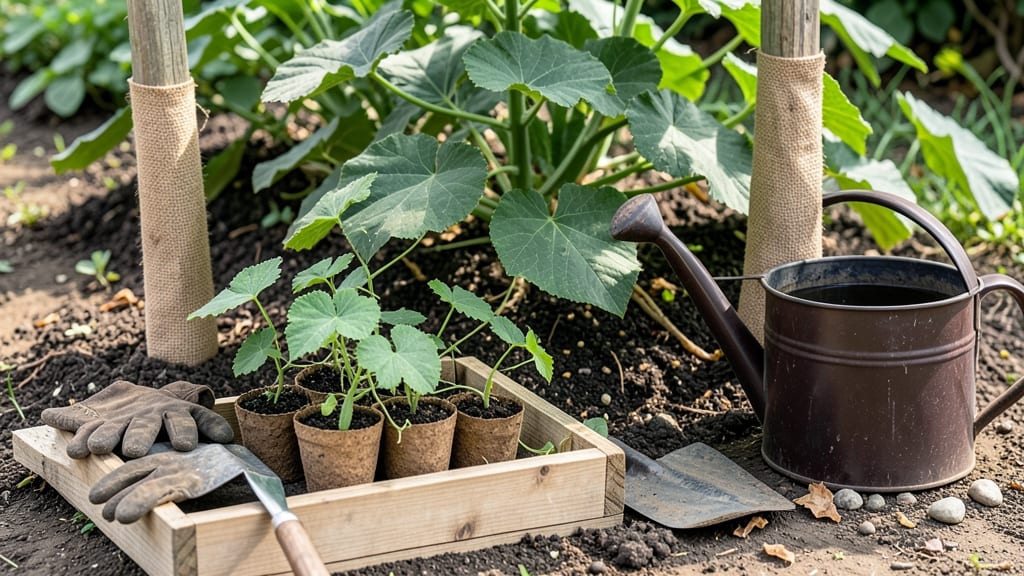
New Jersey’s last frost dates and ideal cucumber planting windows
New Jersey’s USDA zones 6a-7b create a tricky balance for cucumbers—too early, and frost zaps tender seedlings; too late, and vines bolt before producing fruit. The last average frost date ranges from mid-April in northern NJ (e.g., Sussex County) to early April in southern NJ (e.g., Cape May).
For zero-bolt success, aim to plant cucumbers 2-4 weeks before your local last frost date.
Cucumbers thrive in warm soil (60°F+) and can’t tolerate frost. In Zone 6a (north NJ), this means waiting until May 1-15 for direct sowing, while Zone 7b (south NJ) gardeners can start as early as mid-April.
Always verify with the NJAES Frost Records for your exact location—last year’s data may not match this year’s patterns.
Here’s a regional breakdown to simplify your planning:
| Region | Last Frost Date | Ideal Planting Window | Soil Temp Goal |
|---|---|---|---|
| Northern NJ (Zone 6a) | Mid-April | May 1–15 | 60°F+ |
| Central NJ (Zone 6b) | Early April | April 20–May 5 | 60°F+ |
| Southern NJ (Zone 7a-7b) | Early April | Mid-April–May 1 | 60°F+ |
For coastal NJ (e.g., Atlantic City), microclimates can delay frost by 1-2 weeks—monitor local weather stations.
If your soil stays below 55°F, use black plastic mulch to warm it faster. Direct sowing is best after soil hits 60°F, but you can start indoor seedlings 3-4 weeks earlier (transplant after last frost).
Pro tip: Use NJAES’s frost calculator (link below) to input your ZIP code for hyper-localized dates. Even a 10-day shift can mean the difference between a thriving vine and a failed crop. Rutgers NJAES tracks historical data—bookmark it for real-time updates.
If you’re starting seeds indoors, begin 4-6 weeks before your target outdoor date. Use biodegradable pots to avoid root disturbance when transplanting. Seedlings need 6-8 hours of light daily—supplement with grow lights if natural light is limited.
Harden off seedlings 1 week before transplanting to toughen them up for NJ’s unpredictable spring winds.
For direct sowing outdoors, wait until nighttime temps stay above 50°F consistently. Test soil warmth with a soil thermometer—cucumbers won’t germinate below 55°F.
Plant seeds 1 inch deep, 2-3 feet apart (or closer for bush varieties), and provide trellis support early to save space and reduce disease risk.
Remember: Cucumbers are heat-lovers, but they’ll bolt (flower prematurely) if stressed by cool nights. In Zone 6a, a late-May planting is safer than an early-April gamble. Southern NJ gardeners can push it to late April with row covers for extra warmth.
🌱
How to adjust planting for zero-bolt cucumbers in NJ’s unpredictable spring
New Jersey’s spring weather can be as unpredictable as a rollercoaster—one day warm and sunny, the next a surprise frost. To avoid cucumber bolting (when plants flower and fruit prematurely), you need a multi-layered strategy that accounts for soil warmth, microclimates, and fast-maturing varieties.
I’ve tested these methods in my own garden in Zone 6a, and they’ve saved my cucumbers from early failure every time.
Start by selecting fast-maturing varieties like ‘Straight Eight’ (50 days) or ‘Marketmore 76’ (60 days). These thrive in NJ’s short growing season and give you a head start before summer heat sets in.
Pair them with soil warming techniques—like black plastic mulch or row covers—to mimic the longer growing seasons in warmer climates.
🌱
For transplanting starter plants, harden them off for 7-10 days before moving them outdoors. Use shade cloth on hot days to prevent stress, and always plant after the average last frost date—even if the weather seems safe.
I once lost a batch of cucumbers in early May because a late frost snuck in, so I now double-check the NJAES frost records for my specific county.
Extend your growing season with row covers or cold frames until soil temperatures stabilize. In my garden, this means covering plants until late May in northern NJ and early May in southern NJ.
Remove covers when daytime temps hit 70°F to avoid overheating. Pair this with drip irrigation to keep roots cool and consistent.
Finally, monitor your plants for bolting signs: long, leggy stems with yellowing leaves. If you see this, it’s too late for that plant, but you can replant with a succession crop every 2 weeks until July.
My late-July plantings often yield the sweetest cucumbers because they avoid the stress of early-season fluctuations.
☀️