
Plants
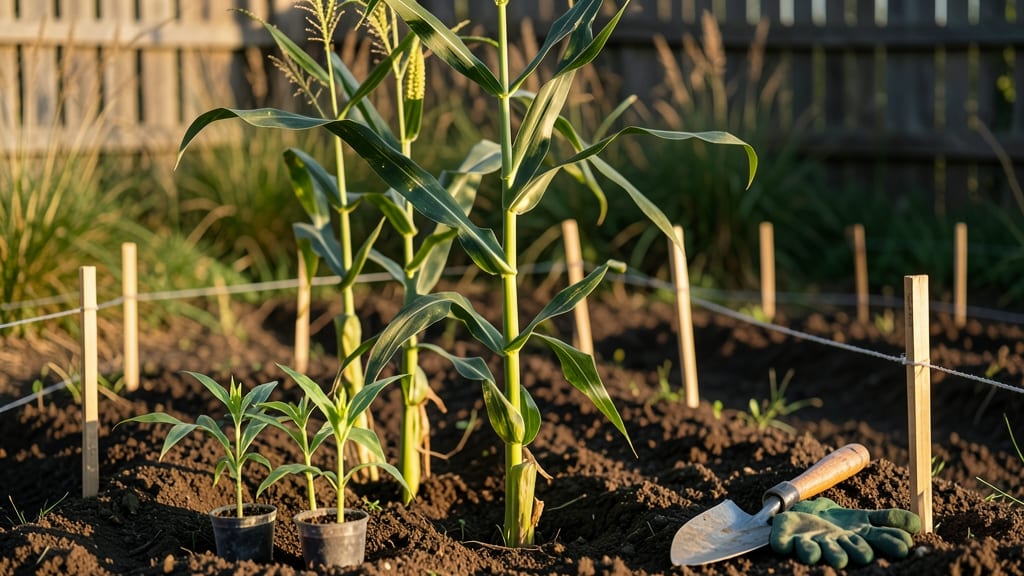
Timing your corn planting in New Mexico can feel like solving a puzzle—one wrong move, and frost or scorching heat ruins your harvest. The ideal window of April 15 to May 31 balances these extremes, but elevation changes everything from low deserts to high plateaus.
If you’re growing 🌽 in New Mexico’s 6-9 zones, waiting for soil to warm to 60°F is critical—cold soil stunts roots, while rushing too early risks frost damage. I’ll break down exactly when to plant for your specific elevation, so you avoid both extremes.
You’ll discover how to adjust for microclimates, pick the right varieties for your heat level, and even extend the season with simple tricks. Whether you’re in Albuquerque’s desert or Santa Fe’s high country, these tips will help you grow corn that’s sweeter and more abundant than ever.
Let’s dive into the most reliable planting schedule for New Mexico’s dramatic climate shifts—so you can enjoy homegrown ears from July through October without the guesswork.
New Mexico corn planting calendar: exact dates by elevation zone
New Mexico’s three distinct elevation zones dictate your corn planting timeline. Low desert areas (2,000–4,000 ft) enjoy earlier springs, while high-altitude regions (6,000+ ft) face late frosts and shorter growing seasons. Even within these zones, microclimates can shift planting windows by weeks.
For low desert regions (e.g., Las Cruces, Socorro), aim to plant mid-March to early April after the last frost date (typically late February). These areas benefit from longer frost-free periods (210+ days), allowing for late-season varieties like 'Country Gentleman' (120 days to maturity).
Mid-elevation zones (4,000–6,000 ft, such as Albuquerque or Santa Fe) should plant late April to mid-May, aligning with soil temperatures of 60°F+. The last frost date here is usually mid-April, and the growing season spans 150–180 days. Fast-maturing varieties like 'Silver Queen' (85 days) thrive here.
High-altitude areas (6,000+ ft, including Taos or Angel Fire) face shorter seasons and later frosts (mid-to-late May). Plant late May to early June, focusing on early-maturing varieties like 'Golden Bantam' (75 days). These regions often see first frosts by late September, limiting the window for full-size ears.
| Elevation Zone | Last Frost Date | Planting Window | Frost-Free Days | Best Varieties |
|---|---|---|---|---|
| Low Desert (2,000–4,000 ft) | Late February | Mid-March – Early April | 210+ days | Country Gentleman, Ambrosia |
| Mid-Elevation (4,000–6,000 ft) | Mid-April | Late April – Mid-May | 150–180 days | Silver Queen, Peaches and Cream |
| High Altitude (6,000+ ft) | Mid-to-Late May | Late May – Early June | 120–150 days | Golden Bantam, Early Sunglow |
Use a soil thermometer to confirm 60°F+ soil temperatures before planting—corn seeds won’t germinate in cooler soils. In low desert zones, watch for heat stress after mid-June; opt for shade cloth or drip irrigation to protect young plants.
For high-altitude gardeners, extend the season with black plastic mulch or row covers to warm the soil and protect seedlings. These methods can advance planting by 2–3 weeks and extend harvests by shielding ears from early frosts.
Pro tip: Check New Mexico State University’s AgriView for real-time frost forecasts and adjust your timeline. Their localized data accounts for year-to-year variations that average frost dates can’t capture.
If you’re in a transition zone (e.g., Albuquerque’s west side), test your soil’s warmth gradient—south-facing slopes warm faster than north-facing areas. Plant earlier on sun-exposed hillsides and delay by 2 weeks in shaded valleys.
Remember: Corn needs 90–120 days of warm weather to mature. If your variety’s days to maturity plus your last frost date exceeds your frost-free window, switch to an earlier variety or consider container growing for flexibility.
🌽
How to adjust planting for New Mexico’s microclimates: soil temperature vs air temperature
New Mexico’s microclimates can confuse even experienced gardeners. A 50°F morning in Albuquerque might feel perfect, but your soil temperature could still be 45°F—too cold for corn seeds to sprout.
Always check soil, not air, for accurate planting cues. Use a soil thermometer (inserted 2 inches deep) to confirm 60°F+ before sowing.
In low-desert regions (e.g., Las Cruces), air temperatures may hit 90°F by June, but early-morning soil temps can lag behind. Plant heat-tolerant varieties like ‘Early Sunglow’ in late April to avoid stress.
For high-altitude areas (e.g., Taos), wait until mid-May when soil warms to 55°F+—even if air temps are milder.
🌱
Soil vs Air Temperature: What to Watch For
✅ DO: Plant When...
- 🌡️ Soil is 60°F+ (use thermometer)
- ☀️ Air temps stay above 55°F at night
- 🌱 Seeds are 1 inch deep in warm soil
❌ DON’T Plant When...
- 🌡️ Soil is below 55°F (seeds rot)
- 🌬️ Frost is forecasted in 10 days
- ☀️ Afternoon temps exceed 95°F (heat stress)
Extend your growing season in cooler zones with row covers or cloches. These protect young plants from late frosts (common in June in high-altitude areas) and boost soil warmth by trapping sunlight. Remove covers once plants reach 12 inches tall to prevent overheating.
Watch for heat stress signs like curled leaves or yellowing silks—these mean your corn is struggling with 100°F+ air temps. Increase shade cloth (30–50%) or switch to short-season varieties (e.g., ‘Bodacious’) if summers are brutal. Mulch with straw to retain moisture and cool roots.
In drought-prone areas, prioritize deep watering over frequent shallow soaks. Aim for 1–2 inches of water weekly, delivered in the early morning to reduce evaporation. Drip irrigation is ideal—it delivers water directly to roots while keeping foliage dry (preventing fungal diseases like corn smut).
💧