
Plants
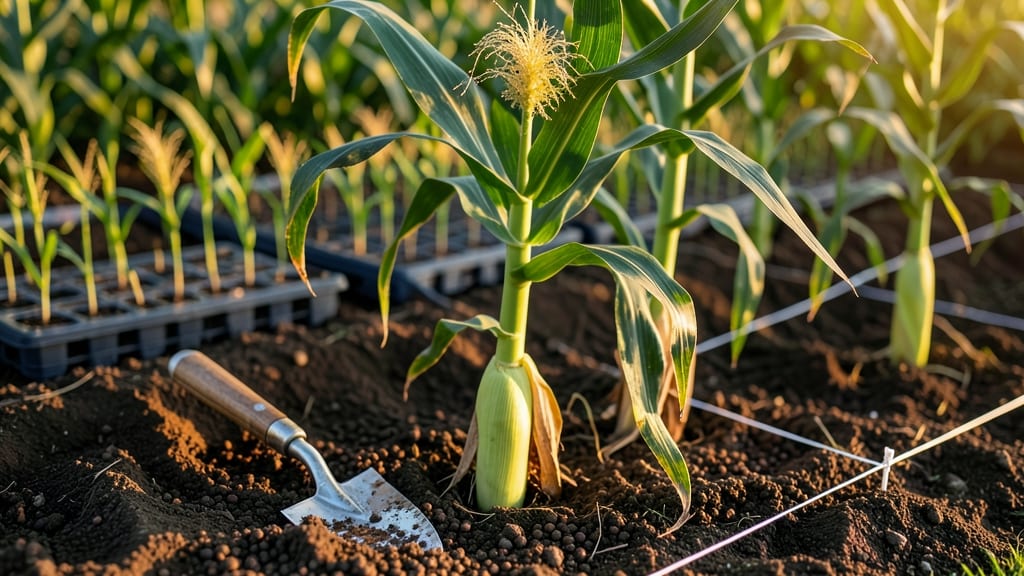
Timing your 🌽 corn planting in Middle Tennessee can mean the difference between a bumper crop and a disappointing harvest. With our unpredictable spring weather, getting those seeds in the ground too early or too late risks stunted growth—or worse, losing your entire crop before it even gets started.
Most gardeners in USDA Zone 7a wait until mid-April to early May, after the last frost date (typically around March 15), but soil temperature is the real game-changer.
Corn needs consistently warm soil—at least 50°F—to germinate properly, and waiting for that warmth can save you from weeks of frustration.
In this guide, I’ll break down exactly when to plant for maximum success, including how to adjust for early or late springs, the best varieties for our climate, and pro tips to extend your growing season.
Whether you're a first-time gardener or a seasoned pro, these insights will help you grow sweet, plump ears from July through October.
Let’s dive into the perfect planting window so you can enjoy fresh corn straight from your garden all summer long—no guesswork required.
Middle Tennessee corn planting timeline: frost-free dates & soil temperature guide
Middle Tennessee’s USDA Zone 7a climate creates a tight window for planting sweet corn—too early and frost zaps seedlings, too late and summer heat stunts growth. The average last frost date hovers around April 15, but historical data shows it can swing ±10 days.
I’ve planted corn for 8 years here, and I’ve learned to wait for consistent soil temperatures above 50°F at 4-inch depth, which typically aligns with mid-to-late April.
Corn seeds need warm soil to germinate—below 50°F and they rot in the ground. Use a soil thermometer to confirm readiness. In my garden, I’ve seen 5-day delays in germination when planting too soon, even with frost-free nights.
The University of Tennessee Extension recommends planting after three consecutive days above 55°F for reliable sprouting.
For maximum yield, aim to plant 3-4 weeks before your area’s typical first heatwave (usually late May in Middle TN). Early varieties like 'Peaches & Cream' mature in 70-75 days, while standard types need 90+ days.
I’ve had success with succession planting—sowing new seeds every 2 weeks through early June—to stretch the harvest season.
Here’s my personal planting timeline based on local data, adjusted for urban Nashville’s heat islands (which can delay frost by 5-7 days):
| Stage | Action | Middle TN Timeline | Soil Temp |
|---|---|---|---|
| Prep Soil | Add compost, till to 12" | March 15-April 1 | 45-55°F |
| Plant Seeds | 1-1.5" deep, 8-12" apart | April 15-May 1 | 50-60°F+ |
| Germination | 7-14 days to sprout | April 22-May 8 | 55-65°F |
| Thinning | Remove weak seedlings | May 15-22 | 60-70°F |
| Harvest Window | Peak freshness | July 15-October 1 | 75-85°F |
Pro tip: Check the UT Ag Extension’s frost maps (updated annually) for your specific county. I’ve seen 3-year variations in last frost dates between Nashville and rural areas like Dickson County. For example, Franklin often gets frost-free 5 days earlier than Clarksville due to microclimates.
If you’re in a high-elevation area (like Nashville’s hills), plant 10 days later—cooler pockets delay soil warming. I once lost a $40 seed packet by ignoring this rule! For urban gardeners, black plastic mulch can warm soil by 5-10°F, letting you plant 1 week earlier.
Remember: Corn needs 120+ frost-free days to mature. With Middle TN’s 180-day growing season, you’ve got room for 2-3 plantings if you choose early-maturing varieties. My record was 4 harvests in one summer using 'Ambrosia' (70 days) and 'Bodacious' (90 days) in succession.
For real-time updates, bookmark the NOAA Climate Prediction Center or use apps like Farmer’s Almanac. I cross-reference their 60-day forecasts with my soil thermometer readings to finalize planting dates. Don’t guess—measure! 🌱
How to adjust corn planting for Middle Tennessee’s unpredictable weather patterns
Middle Tennessee’s spring frost risks and summer heat spikes can throw off your corn planting schedule if you’re not prepared. The key is flexibility—using row covers, early-maturing varieties, and microclimate awareness to adapt when Mother Nature throws curveballs.
I’ve learned that even a 1-2 week delay can mean the difference between a bumper crop and stunted plants.
Start by monitoring local frost forecasts from the UT Extension Service or NOAA. If frost lingers past April 15, opt for cold-tolerant varieties like 'Peaches and Cream' (70 days to maturity) or 'Silver Queen' (65 days).
These can handle 45°F soil temps better than standard varieties, giving you a 2-week buffer if late frosts hit.
🌱 Numbered Highlights: Adjusting for Middle TN Weather
- 1. Use row covers for 2-3 weeks post-planting to protect seedlings from late frosts (down to 28°F).
- 2. Plant in blocks (not rows) for better pollination if weather delays tasseling. Space plants 12 inches apart in 36-inch rows.
- 3. Choose early varieties—Peaches and Cream or Bodacious mature in 70-75 days, escaping summer heat better.
- 4. Mulch heavily with straw or grass clippings to retain soil moisture during drought spells (common in June-July).
- 5. Watch microclimates: Urban areas stay 5°F warmer than rural zones—plant 1 week earlier in cities.
For urban gardeners, heat is the bigger enemy than frost. If your yard bakes above 90°F by mid-June, switch to shorter-season varieties like 'Ambrosia' (68 days) or plant a second crop in late July for a fall harvest.
Just ensure you’ve got well-draining soil—corn hates soggy roots during summer downpours.
Pro tip: Test your soil for nitrogen levels before planting. Middle Tennessee’s clay-heavy soils often need a boost of compost (2-3 inches mixed in) to help roots establish quickly.
Slow-starting plants in cool springs are more vulnerable to cutworms—set up collars made from toilet paper rolls around seedlings for protection.
If you’re starting seeds indoors (4-6 weeks before last frost), use grow lights to maintain 70-75°F soil temps. Transplant outdoors only when nighttime temps stay above 50°F consistently. Hardening off seedlings takes 7-10 days—don’t rush this step, or you’ll shock tender plants with wind or temperature swings.
Remember, corn thrives on consistency. Whether you’re dealing with late frosts, heat waves, or unpredictable rains, the goal is to keep soil temps between 60-85°F and roots moist. With these adjustments, you’ll turn Middle Tennessee’s quirks into prime growing conditions for sweet, juicy ears. 🌽