
Plants
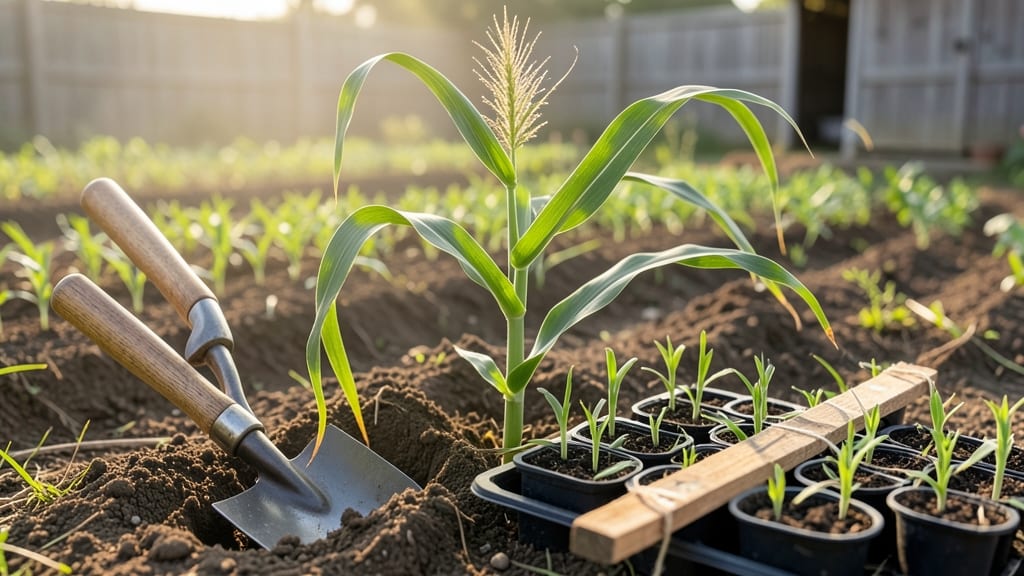
Timing when to plant corn in Houston could mean the difference between a bumper crop of sweet 🌽 and stunted plants that never reach their potential. Houston’s unpredictable spring weather—where frost can linger into March—makes getting the window right absolutely critical.
Most gardeners here swear by planting between mid-March and early April, but even that range can be risky if you’re in a cooler microclimate.
The key is waiting until soil temperatures hit at least 60°F, which usually aligns with Houston’s last frost date around January 15—but don’t let those dates fool you.
In this guide, I’ll break down the exact weeks to plant based on your neighborhood’s frost history, plus how to adjust for Houston’s heavy clay soil and scorching summer heat. You’ll learn which varieties thrive here and how to avoid the three biggest mistakes local growers make every year.
Whether you’re a backyard gardener or dreaming of a corn patch in your urban yard, these insights will help you plant with confidence—and harvest ears so plump they’ll make your neighbors jealous.
Houston corn planting calendar: exact weeks for zero frost risk by microclimate
Houston’s USDA Zone 9a climate means corn thrives here—but only if planted at the perfect window. Unlike northern regions, Houston’s last frost date averages around January 15th, giving you a longer growing season than you might expect.
However, heat stress and humidity can still sabotage your crop if you’re not precise.
For zero frost risk, aim to plant corn between mid-March and early April. This aligns with Houston’s soil warming trends, ensuring seeds germinate quickly in 60°F+ soil.
Early varieties like ‘Silver Queen’ can handle slightly cooler starts, while ‘Peaches and Cream’ prefers warmer conditions—so choose wisely based on your microclimate.
Urban gardeners in densely packed neighborhoods may face microclimate delays due to concrete heat absorption. Rural areas, on the other hand, can plant 1-2 weeks earlier thanks to cooler nighttime temperatures. Always check your local frost-free date using the National Weather Service for real-time adjustments.
Here’s a microclimate-specific breakdown of Houston’s planting windows to maximize your corn’s potential:
| Microclimate | Best Planting Window | Soil Temp Goal | Variety Recommendation |
|---|---|---|---|
| Urban (High Heat) | Late March - Early April | 60°F+ | ‘Peaches and Cream’ (heat-tolerant) |
| Suburban (Moderate Heat) | Mid-March - Late March | 58°F+ | ‘Silver Queen’ (versatile) |
| Rural (Cooler Nights) | Early March - Mid-March | 55°F+ | ‘Country Gentleman’ (early maturing) |
🌱 Pro Tip: Use a soil thermometer to confirm readiness—corn seeds won’t sprout below 55°F.
If you’re succession planting for a continuous harvest, add another batch 4-6 weeks after your first planting. This works best for suburban and rural areas where heat stress is less intense. Just be sure to space rows 3 feet apart to avoid shading and fungal issues.
Houston’s humidity levels can also delay germination if seeds dry out too quickly after planting. To combat this, water deeply right after sowing and mulch with straw to retain moisture. This is especially critical in urban gardens, where evaporation rates are higher due to concrete and asphalt.
For fall planting, Houston’s climate is too warm—corn needs 90-120 frost-free days, and planting after June 1st risks immature ears before the first frost. Instead, focus on spring planting and succession crops to stretch your harvest from late June to October.
One Houston-specific hack is to use black plastic mulch to warm soil faster in urban areas. Lay it down 2 weeks before planting to raise soil temps by 5-10°F, giving you an earlier start without risking frost.
Just remove it once plants are 6 inches tall to prevent overheating.
Finally, track your local weather for unpredictable heatwaves. If temperatures surpass 95°F during tasseling (when pollen forms), corn ears may develop poorly. In this case, shade cloth or drip irrigation can help maintain optimal growing conditions.
How Houston’s humidity and soil affect corn germination: pro tips to beat the odds
Houston’s clay-heavy soil and sticky humidity can turn corn germination into a gamble—but with the right prep, you’ll outsmart the odds. The key? Loosening compacted soil and adjusting watering to prevent fungal diseases like corn smut or gray leaf spot, which thrive in Houston’s damp air.
Start by testing your soil’s pH; Houston’s alkaline tendency (often 7.5–8.5) can lock out nutrients like phosphorus, which corn craves for strong roots.
Before planting, amend your soil with 2–3 inches of compost or aged manure to improve drainage and microbial activity. For urban gardeners with limited space, raised beds work wonders—they warm up faster in spring and let you control soil composition.
If you’re planting in-ground, consider mounding soil to create microclimates that stay drier and warmer, especially critical for early varieties like ‘Peaches and Cream’ that need 60°F soil temps to germinate.
- Overwatering causes seed rot—stick to 1 inch of water per week once germinated.
- Slow-draining soil invites fungal diseases; add perlite or coarse sand if clay is dominant.
- Planting too early risks frost damage; wait until mid-March for urban areas and late February only in rural zones with warmer microclimates.
Variety selection is your secret weapon. ‘Silver Queen’ tolerates Houston’s heat better than sweet corn varieties like ‘Ambrosia,’ which can turn starchy if temperatures exceed 90°F for prolonged periods. For a second harvest, try ‘Bodacious’, a late-season variety that thrives in Houston’s long summers.
Always plant seeds 1–1.5 inches deep and 12 inches apart in rows spaced 30–36 inches apart to maximize airflow and reduce humidity-related stress.
Watering strategy makes or breaks your corn in Houston. Morning watering (before 10 AM) prevents fungal spores from lingering on leaves overnight. Use drip irrigation or soaker hoses to keep foliage dry—avoid overhead sprinklers, which turn corn plants into fungal magnets.
During tasseling and ear development (6–8 weeks after planting), increase water to 1.5–2 inches per week, but never let soil stay soggy. Mulch with straw or shredded leaves to retain moisture and suppress weeds, which compete for nutrients in Houston’s nutrient-dense but heavy soil.
One often-overlooked Houston-specific tip: Shade cloth can be a lifesaver in late summer when temperatures soar. If you notice silks drying out prematurely (a sign of heat stress), drape 30% shade cloth over plants for a few hours daily.
This trick buys time for ears to pollinate and develop properly. Pair this with foliar feeding every 2–3 weeks using a seaweed-based fertilizer to boost drought resistance and disease tolerance.
Finally, monitor for army worms and corn earworms, which love Houston’s warm, humid conditions. Handpick eggs from leaf undersides or use row covers until plants are 12 inches tall. With these adjustments, you’ll turn Houston’s challenges into plump, sweet ears—not a gamble, but a guaranteed harvest. 🌽💧