
Plants
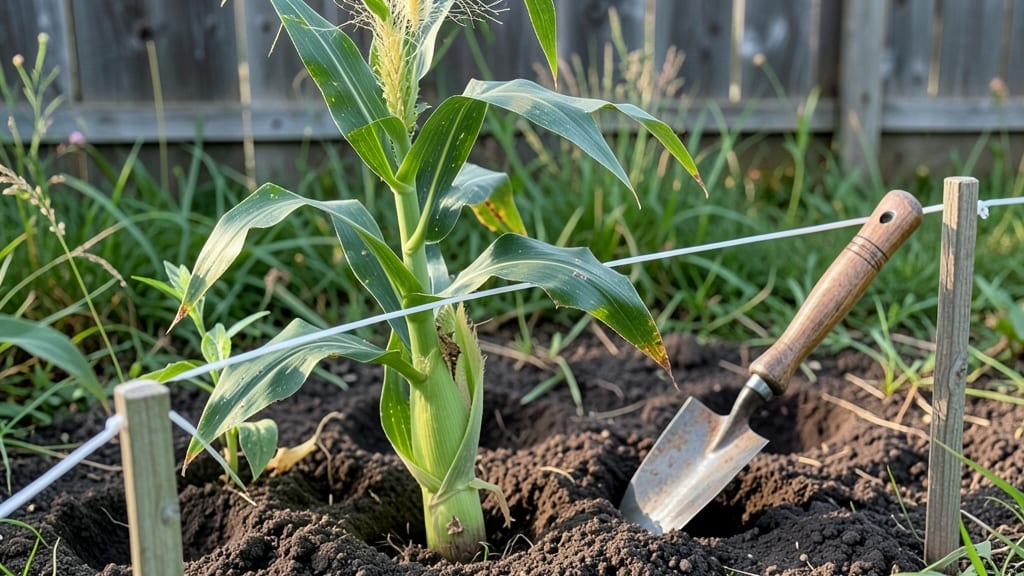
Timing your corn planting in Connecticut can make or break your harvest—get it wrong, and you might end up with stunted plants or missed opportunities for sweet, homegrown 🌽.
The key lies in understanding your local frost dates and soil temperatures, especially if you're in zones 5B-6A, where even a few days off can mean the difference between a thriving garden and a disappointing flop.
Most gardeners in Connecticut aim to plant corn after the last frost date, typically between mid-April and early June, but the real secret is waiting for the soil to warm up to at least 50°F—any earlier, and your seeds may rot in the cold ground.
This is where local knowledge comes in handy, because coastal areas like New Haven often warm up faster than inland spots near Hartford, creating microclimates that shift planting windows by weeks.
If you're new to growing corn, you might be surprised to learn that spacing and companion planting can also impact your success. Planting corn in blocks rather than rows encourages better pollination, while pairing it with beans or squash can improve soil health and deter pests.
But first, let's focus on the most critical factor: knowing exactly when to get those seeds in the ground for the best possible yield.
Don't worry—this isn't about memorizing complex charts. I'll walk you through the simple steps to track soil temperatures, adjust for your specific corner of Connecticut, and even extend your growing season with a few smart tricks.
By the end, you'll have a clear timeline that works for your garden, whether you're planting early varieties or aiming for a late-summer harvest.
Connecticut frost dates & ideal corn planting windows for zones 5B-6A
Connecticut’s Zone 5B-6A climate creates a tight window for planting corn—just 30-45 days between last frost and first frost in most areas. Coastal regions like New Haven have slightly longer growing seasons, while inland areas like Hartford face earlier frosts.
Understanding these regional variations helps you time plantings for maximum yield.
For sweet corn varieties, the ideal planting window spans from late April to early June. Early-season varieties (like 'Golden Bantam') can start as soon as soil warms, while late-season types (like 'Peaches and Cream') need to go in by mid-June to mature before frost.
Let’s break down the critical frost dates and planting adjustments for your CT garden.
Average last frost dates in Connecticut typically range from April 15 (coastal) to May 1 (inland). First frosts arrive between October 15 and October 30, depending on elevation. These dates create a 150-180 day growing season—just enough for most corn varieties if planted correctly.
| Region | Last Frost | First Frost | Ideal Planting Window | Notes |
|---|---|---|---|---|
| Coastal (New Haven, Stamford) | April 15 | October 20 | Late April–June 15 | Longer season; try late varieties |
| Central (Hartford, New Britain) | May 1 | October 15 | May 1–June 10 | Standard window; prioritize early maturing types |
| Northern (Torrington, Waterbury) | May 10 | October 5 | May 15–May 30 | Shortest season; stick to early varieties |
For succession planting, stagger your corn plantings every 2 weeks from late April through early June. This ensures a continuous harvest and reduces the risk of losing your entire crop to pests or weather.
For example, plant one batch on April 25, another on May 10, and a final batch on May 25 for staggered maturity.
If you’re growing dent corn (like 'Country Gentleman'), you can push the envelope slightly later—up to June 15—since these varieties take longer to mature. However, always check your specific variety’s days to maturity and count backward from your expected first frost date.
Pro tip: Use row covers or black plastic mulch to extend your planting window by 2-3 weeks in spring. These tools warm the soil faster and protect young plants from late frosts. Just remove covers once plants reach 6 inches tall to avoid overheating.
For real-time updates, check the UConn Home & Garden Education Center or local Cooperative Extension offices. They provide weekly frost alerts and soil temperature data tailored to your town. Don’t rely solely on averages—CT’s weather can be unpredictable!
Finally, if you’re in a microclimate (like a south-facing slope or urban heat island), you may have 1-2 extra weeks of growing season. Observe your garden’s unique conditions for 2-3 years to fine-tune your planting schedule.
Soil temperature requirements for corn in Connecticut: when to plant for maximum yield
Corn thrives when planted in warm soil, not just air temperatures. In Connecticut’s Zone 5B-6A, corn seeds need soil temperatures of at least 50°F (10°C) to germinate, but optimal growth occurs at 60°F (15.5°C) or warmer. Waiting for these conditions ensures faster sprouting and stronger plants.
Use a soil thermometer to check depths of 2-4 inches—this is where corn roots first establish. If your soil is still cool in early May, don’t rush planting. Cold soil delays germination and makes seedlings vulnerable to damping-off disease.
🌱
⚠️ Warning: Planting Too Early
Cold soil (below 50°F) can cause seed rot or slow germination for weeks. Seedlings planted in chilly conditions often stunt or fail entirely, wasting your time and seeds.
To extend your planting window, use black plastic mulch or row covers to warm the soil faster. Lay mulch 2-3 weeks before planting to raise temperatures by 5-10°F. In northern CT, this can push your planting window by 10-14 days.
Microclimates matter! Coastal areas like New London or Groton warm up earlier than inland spots like Hartford or Waterbury. Check local CT Agricultural Extension reports for hyper-local soil temperature trends.
For maximum yield, aim to plant when soil hits 65°F (18°C)—this speeds up growth and reduces pest risks. Use a 30-day maturity guide (e.g., 75-day varieties need to be in by June 15) to calculate your ideal planting date.
☀️