
Plants
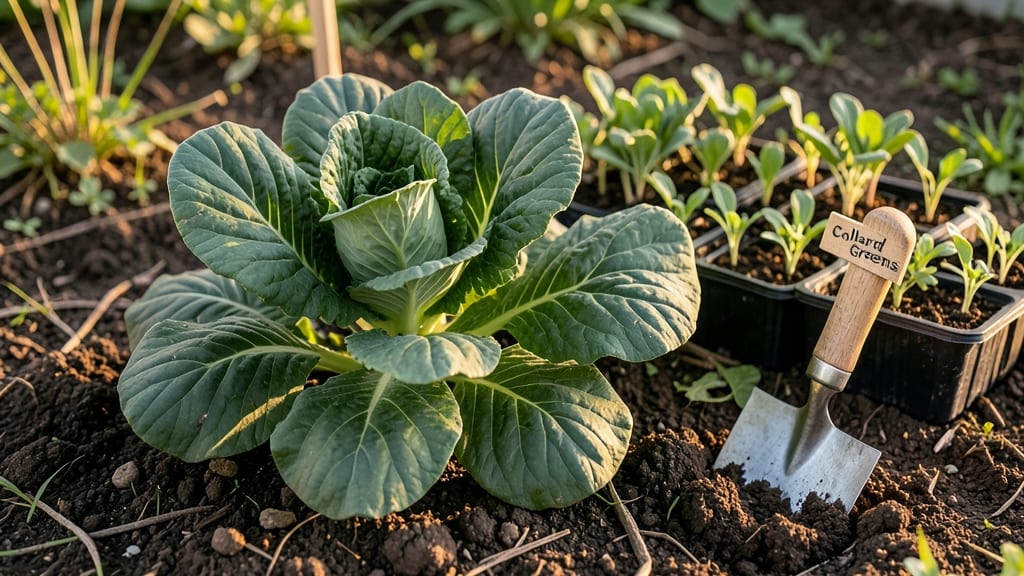
Knowing when to plant collards in Zone 7b can mean the difference between a thriving 🥬 harvest and bitter, stunted leaves. These cold-hardy greens actually prefer cooler weather, so timing your planting around frost dates is the key to success.
In Zone 7b, you've got two prime windows: early spring (March-April) when soil warms to 40°F, or early fall (August-September) to take advantage of mild winter temperatures.
Planting too early in spring risks frost damage, while waiting too late in fall might leave you with slow growth before winter sets in.
What makes collards special is their ability to sweeten after frost, but you need to get them in the ground at just the right moment. I'll walk you through the exact planting timeline, soil prep secrets, and how to adjust for your specific microclimate in Zone 7b.
Whether you're a first-time gardener or a seasoned grower, these proven strategies will help you maximize your harvest from October through February. Let's get those collards growing strong from day one.
Optimal collard planting times in Zone 7b: spring vs fall breakdown
Zone 7b gardeners enjoy two prime windows for planting collards: early spring and early fall. Each season offers unique advantages, but timing directly impacts your harvest's size and sweetness. Let’s break down the best dates and what to watch for in each planting cycle.
The spring planting window in Zone 7b opens around mid-March after the last frost date (typically March 15). For a fall harvest, aim to plant 4–6 weeks before the first frost (usually early September). These deadlines ensure your collards mature before cold snaps arrive.
Collards are cold-hardy but struggle with extreme heat or late-season bolting. Planting too early in spring risks bolting (premature flowering), while fall plantings must avoid frost damage before leaves reach maturity.
🌱 Spring vs. Fall Planting Comparison
| Factor | Spring Planting (March–April) | Fall Planting (August–September) |
|---|---|---|
| Ideal Soil Temp | 40–50°F | 50–65°F |
| Frost Risk | Low (after March 15) | High (after Nov 15) |
| Harvest Window | Late summer–fall | Winter–early spring |
| Key Challenge | Bolting in heat | Frost before maturity |
| Best Varieties | 'Vates', 'Blue Max' | 'Georgia Southern', 'Top Bunch' |
📅 Pro Tip: Use row covers in fall to extend harvest into winter.
For spring plantings, start seeds indoors 4–6 weeks before transplanting (around February). Harden off seedlings for 7–10 days before moving them outdoors. In Zone 7b, transplant collard seedlings into the garden after soil reaches 40°F and nighttime temps stay above 35°F.
Fall plantings require earlier action. Begin seeds indoors in July or transplant young plants in August to ensure a 60-day maturity window before frost. Direct sowing in fall is risky—seedlings may not establish before cold weather arrives.
Monitor local frost dates using Almanac’s Frost Calculator or ask your local extension office for precise deadlines. In Zone 7b, microclimates (like urban heat islands or valley floors) can shift frost dates by 1–2 weeks, so adjust accordingly.
Once planted, mulch heavily with straw or leaves to insulate roots in winter. This protects collards from freeze-thaw cycles and keeps soil moist during dry spells. With the right timing, your Zone 7b collards will reward you with sweet, tender leaves well into winter.
🌿 Remember: Spring = bolting risk; Fall = frost risk. Balance these factors to maximize your harvest.
Optimal collard planting times in Zone 7b: spring vs fall breakdown
Zone 7b’s mild winters and warm summers create two perfect windows for growing collards: early spring and early fall. Each season offers unique advantages, but timing is critical to avoid bitter leaves or stunted growth.
Let’s break down the ideal planting dates and why they work for your climate.
For spring planting, aim for mid-March to early April—once soil temperatures hit 40°F and the last frost date (March 15) has passed. This gives collards 60–75 days to mature before summer heat arrives.
Fall planting, however, is often more productive in Zone 7b, with August to early September being the sweet spot for a winter harvest.
| Factor | Spring Planting | Fall Planting |
|---|---|---|
| Ideal Months | Mid-March to April | August to Early September |
| Soil Temp Requirement | 40°F+ | 50°F+ |
| Frost Risk | Low (after March 15) | High (after Nov 15) |
| Days to Harvest | 60–75 days | 45–60 days |
| Harvest Window | Late spring to summer | Fall to winter |
| Key Advantage | Avoids summer bolting | Cold-hardy harvest |
Spring-planted collards benefit from longer daylight hours, which prevent bolting—the process where plants flower prematurely. However, summer heat can stress them, leading to bitter flavors. Fall planting, on the other hand, lets you enjoy sweeter, more tender leaves during winter’s cooler months when pests are less active.
Pro tip: If you’re unsure about your last frost date, use a frost calendar for your specific county. Zone 7b varies slightly by location—some areas may experience frost as late as April 1, while others are safe by March 20.
Always plant 4–6 weeks before the first expected frost for a reliable fall crop.
For both seasons, transplant seedlings (not seeds) for faster results. Start seeds indoors 4–6 weeks before your target outdoor date, or buy healthy starts from a local nursery. Harden them off by exposing them to outdoor conditions for 3–5 days before planting to reduce shock.
Remember, collards are cold-hardy down to 15°F, but they grow best in 50–75°F temperatures. Fall planting gives you the edge—harvests continue until December or January in Zone 7b, providing fresh greens when other crops fade.