
Plants
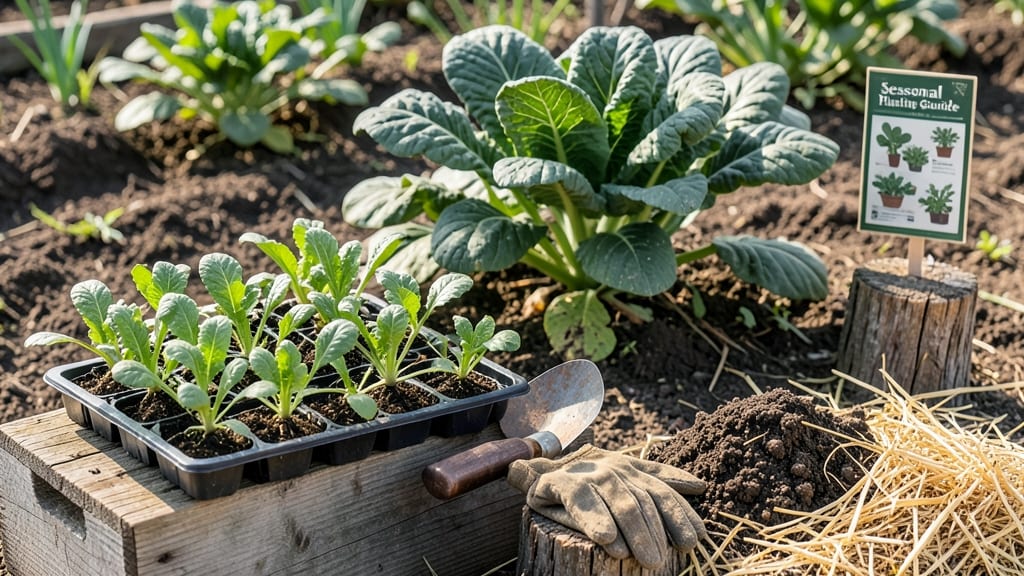
If you’re growing 🥬 collards in South Carolina, nailing the planting window is the key to avoiding bitter leaves or wasted effort. The right timing—whether you’re in coastal Charleston or inland Columbia—can mean the difference between a thriving harvest and a failed crop.
South Carolina’s mild winters and long growing season make collards a fantastic choice, but planting too early risks frost damage, while waiting too late can leave you scrambling before the first frost.
Whether you’re aiming for a spring harvest or a hearty fall crop, knowing when to start seeds or transplant seedlings is everything.
In this guide, I’ll break down the ideal planting windows for both spring and fall, including regional adjustments for USDA zones 7b-9a. You’ll also discover how to extend your growing season with simple strategies, so you can enjoy fresh 🥬 collards from late February all the way through November.
Ready to grow collards that taste sweeter and last longer? Let’s dive into the perfect timing for your South Carolina garden—and avoid those common mistakes that ruin harvests before they even begin.
Optimal collard planting dates in South Carolina by region (coastal vs inland)
South Carolina’s diverse microclimates mean your collard planting dates should vary based on whether you’re near the coast or inland. Coastal areas like Charleston and Myrtle Beach enjoy milder winters, while inland cities like Columbia and Greenville face slightly earlier frosts.
Getting these dates right ensures your collards thrive without frost damage or heat stress.
For spring planting, aim to sow seeds 4-6 weeks before your area’s last frost date. Inland SC typically sees frost until mid-March, while coastal regions may push planting until early April.
Fall planting should happen 8-10 weeks before the first frost, usually between mid-August and early September for both regions.
Here’s how to adjust your planting timeline based on your location in South Carolina:
If you’re unsure about your last frost date, check the SC State Climate Office or use a local weather station. For example, Charleston’s last frost averages March 15, while Columbia’s is around March 1.
Planting too early risks frost damage, while waiting too long may lead to bolting or poor yields.
For coastal gardeners, you can even experiment with winter planting under row covers, especially if using cold-hardy varieties like ‘Georgia Southern’ or ‘Vates’. Just be prepared to protect young plants with frost cloth if temperatures dip below 25°F.
Inland gardeners should focus on fall planting for a harvest before winter sets in. Plant seeds by mid-August to ensure mature leaves by October-November, when collards taste sweeter after light frosts. This timing also avoids the summer heat stress that can make collards bolt prematurely.
Pro tip: Use succession planting every 2-3 weeks during your region’s planting window. This ensures a continuous harvest and reduces the risk of losing your entire crop to pests or disease.
For example, if you plant March 1, March 15, and March 30, you’ll have collards ready to harvest through May and June.
Always choose a sunny spot with at least 6 hours of sunlight daily. Collards thrive in well-draining soil with a pH of 6.0-7.0. Amend your soil with compost before planting to improve fertility and moisture retention—especially important in South Carolina’s sandy soils.
Remember, collards are biennial, meaning they can survive mild winters and produce even better in their second year. With the right timing, you’ll enjoy homegrown collards from fall through spring, making your garden both productive and resilient.
Optimal collard planting dates in South Carolina by region (coastal vs inland)
South Carolina’s USDA zones 7b-9a create distinct planting windows for collards. Coastal areas like Charleston and Myrtle Beach enjoy earlier frost-free dates (mid-March) compared to inland Columbia and Greenville, where frost lingers until late March. This 10-14 day difference directly impacts your planting timeline.
For spring planting, coastal gardeners can start seeds indoors in late February and transplant outdoors by early March.
Inland gardeners should wait until mid-March to avoid frost damage. Fall planting works best from August to early September across all regions, giving plants time to mature before first frost in mid-November.
Here’s how to align your planting with South Carolina’s microclimates for maximum yield:
| Region | Last Frost Date | Spring Planting Window | Fall Planting Window | Harvest Timeline |
|---|---|---|---|---|
| Coastal (Charleston, Myrtle Beach) | Mid-March | Late Feb - Early Mar (transplant) | Aug 15 - Sep 5 | May - June (spring) / Oct - Nov (fall) |
| Inland (Columbia, Greenville) | Late March | Mid-Mar - Early Apr (transplant) | Aug 1 - Sep 1 | Late May - June (spring) / Oct - Early Nov (fall) |
| Upstate (Spartanburg, Anderson) | Early April | Late Mar - Early Apr (transplant) | Jul 25 - Aug 20 | Late May - June (spring) / Sep - Oct (fall) |
Pro tip: Use 4-6 week transplant timing for spring planting. Start seeds indoors 6 weeks before your last frost date, then transplant seedlings when soil reaches 60°F (15°C). For fall, direct-sow seeds 8-10 weeks before your first frost date to ensure mature plants before cold sets in.
Remember, collards thrive in cool weather—they’ll bolt in temperatures above 85°F (29°C). If summer heat arrives early, opt for shade cloth or succession planting in late summer to avoid heat stress. Coastal areas can push fall planting slightly later due to milder winters.
For zero-frost success, monitor your local Cooperative Extension Service frost alerts. In Charleston, you might squeeze in a third planting in early October, while inland gardeners should stop by mid-September to avoid frost damage.