
Plants
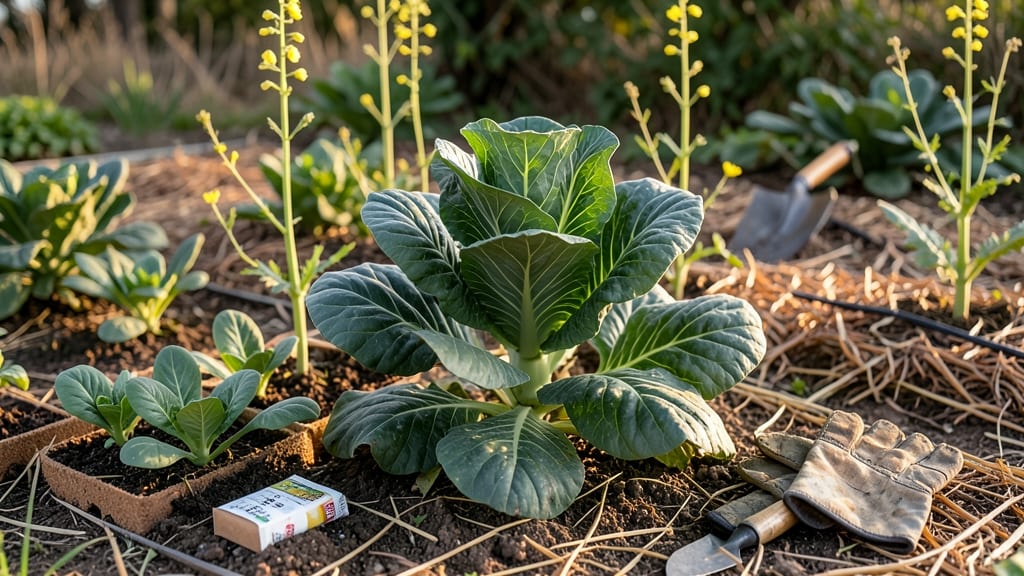
If you've ever wondered when to plant collard greens in Georgia, the answer lies in timing. Planting these cold-hardy greens at the wrong moment—whether in Georgia's USDA 7b-8b zones—can mean the difference between a thriving winter harvest and a disappointing failure.
Georgia's climate is tricky: warm winters in the south clash with chilly springs in the north, while coastal areas have their own microclimates. That's why knowing when to plant collard greens isn't just about following a generic calendar—it's about understanding your specific county's frost dates and seasonal shifts.
I'll break down the exact planting windows you need for both spring and fall crops, including how to adjust for Atlanta's cooler nights versus Savannah's milder winters.
Whether you're a first-time gardener or a seasoned green thumb, these insights will help you grow collards that stay tender and productive all season long.
From soil prep to frost protection, you'll discover the most reliable strategies to extend your harvest—so you can enjoy fresh, homegrown greens from October straight through to April. Let's get those seeds in the ground at the perfect moment.
Georgia collard green planting calendar by Zone (7a vs 8b)
Georgia’s diverse climate zones (7a-8b) mean your collard green planting window differs dramatically between North Georgia mountains and South Georgia coast. In Zone 7a (Atlanta, Dahlonega), the last frost typically arrives by March 15, while Zone 8b (Savannah, Brunswick) enjoys frost-free conditions until January 1.
These differences create two distinct planting strategies for maximizing your harvest.
For fall/winter harvests—the most popular time for collards—aim to plant 4-6 weeks before your first frost. In Zone 7a, this means August 15-September 15, while Zone 8b gardeners can extend planting until October 1.
Spring planting is less common but works if you start seeds indoors in February for transplanting after last frost.
Microclimates add another layer: Coastal Georgia (like Tybee Island) stays warmer longer, allowing late fall plantings even in Zone 8a. Meanwhile, Piedmont valleys (like Athens) may experience earlier frosts than nearby hills. Always check your local frost dates—the Georgia Climate Project provides county-specific data.
🌱
| Zone & Location | Fall Planting Window | Spring Planting Window | First Frost Date | Harvest Timeline |
|---|---|---|---|---|
| Zone 7a (Atlanta, Dahlonega, Blue Ridge) | Aug 15–Sep 15 | Feb 15–Mar 1 (indoors) | Nov 15–Dec 1 | Oct–Dec, Apr–May |
| Zone 7b (Macon, Columbus, Augusta) | Aug 20–Sep 20 | Feb 20–Mar 5 | Nov 20–Dec 5 | Oct–Dec, Apr–May |
| Zone 8a (Savannah, Brunswick, Valdosta) | Sep 1–Oct 1 | Feb 28–Mar 10 | Nov 25–Dec 10 | Sep–Dec, Apr–May |
| Zone 8b (Tybee Island, Waycross, Bainbridge) | Sep 15–Oct 15 | Mar 1–Mar 15 | Dec 1–Dec 15 | Sep–Dec, Mar–May |
Note: Adjust dates 1–2 weeks earlier for high-altitude areas (e.g., North Georgia mountains) or later for coastal microclimates.
In Zone 7a, I recommend starting with late August plantings for a November-December harvest before hard frosts. For Zone 8b, you can push plantings into early October for a January harvest, though leaves may taste sweeter after light frosts.
Always use cold-hardy varieties like 'Georgia Southern' or 'Top Bunch'—these thrive in Georgia’s cool winters.
Spring plantings are riskier in Georgia due to late-spring heat waves, but if you must try, start seeds indoors in February and transplant after April 15. Use shade cloth during hot afternoons to prevent bolting.
For container gardening, choose compact varieties like 'Blue Max' and plant in May for a summer harvest before bolting occurs.
Pro tip: Test your soil pH before planting—Georgia’s clay-heavy soils often need lime adjustment (aim for pH 6.0-7.0). Add compost or aged manure to improve drainage, especially in low-lying areas prone to winter waterlogging. This prep work makes the difference between bitter, tough leaves
How to extend collard green season in Georgia’s variable climate
Georgia’s unpredictable weather—from sudden late-spring heat waves to early fall frosts—can derail your collard green harvest. But with the right strategies, you can extend your season by 2-3 months, ensuring fresh greens year-round.
The key? Succession planting, protective covers, and heat-tolerant varieties tailored to Georgia’s Zone 7a-8b climate.
Start by choosing heat-tolerant varieties like 'Georgia Southern' or 'Top Bunch', which thrive in Georgia’s humid summers. These varieties stay productive even when temperatures flirt with 90°F+. Pair them with succession planting every 2-3 weeks from August through September to stagger harvests and avoid gaps.
Row covers are your best friend for fall protection. Lightweight fabric like floating row covers (e.g., Agribon) shield young plants from early frosts (as early as late October in North Georgia). Secure them loosely to avoid overheating—collards need airflow but not freezing temps.
🌱 Top 4 Season-Extension Strategies for Georgia
- 1. Succession Plant: Sow seeds every 2-3 weeks from August–September for continuous harvests.
- 2. Use Row Covers: Protect seedlings with floating fabric until plants reach 6 inches tall.
- 3. Cold Frames: Extend fall harvests by 4-6 weeks using low-cost frames over mature plants.
- 4. Mulch Heavily: Apply 4–6 inches of straw to insulate roots during winter freezes.
For winter hardiness, mulch your collards with straw or leaves once temperatures drop below 32°F. This insulates roots and prevents soil heaving, which can uproot plants. In Zone 7a (e.g., Atlanta), mulch by mid-November; in Zone 8b (e.g., Savannah), wait until December.
Don’t overlook late-spring heat as a season killer. If your collards bolt (send up flowers) in April–May, provide afternoon shade with a cloché or shade cloth.
This buys you 2–3 weeks of edible leaves before summer’s full intensity hits. Pair this with deep watering (1–1.5 inches per week) to keep plants stress-free.
Pro tip: Harvest strategically to encourage regrowth. Snip outer leaves first, leaving the inner growth point intact. This keeps plants productive for 6–8 months in Georgia’s mild winters. With these tactics, you’ll enjoy homegrown collards from fall through spring—no grocery store needed!