
Plants
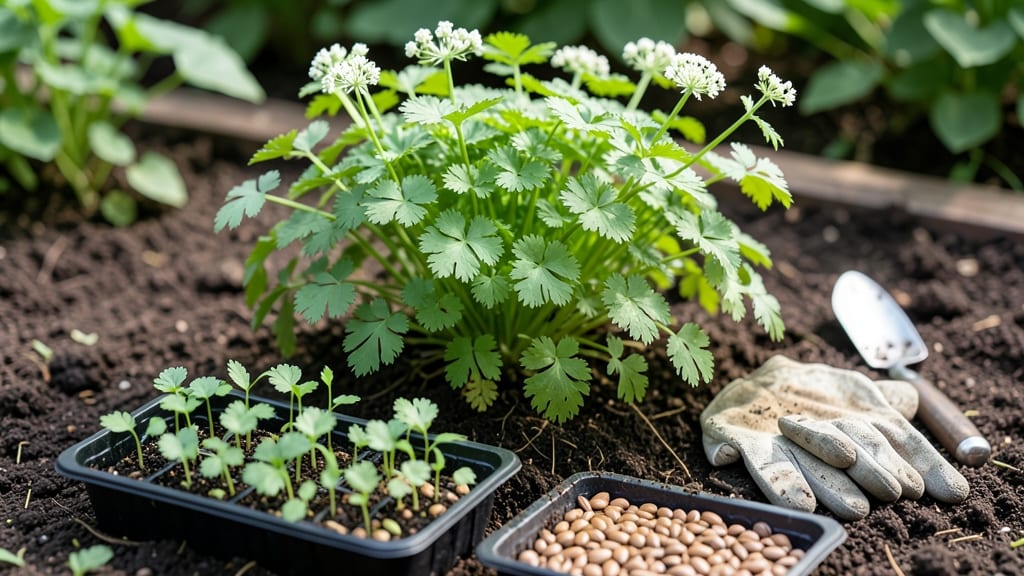
If you’ve ever planted cilantro in Oklahoma only to watch it bolt into bitter flowers or wilt under the summer sun, you’re not alone.
The key to growing fresh, flavorful 🌿 cilantro lies in timing it perfectly—between March and April for spring and August to September for fall—when temperatures and daylight create ideal conditions.
Most gardeners miss the mark because they don’t account for Oklahoma’s 6a-8a climate zones, where heat and humidity can turn cilantro into a sad, bolted mess if planted too late.
But with the right schedule, you can enjoy a steady harvest from May to June in spring and October to November in fall.
In this guide, I’ll break down the exact planting windows—plus proven strategies to avoid bolting—so you can grow cilantro that stays tender and delicious. No more wasted seeds or bitter surprises!
Let’s dive into the best months to plant cilantro in Oklahoma and keep it thriving all season long.
Oklahoma’s ideal cilantro planting calendar: spring vs. fall timing explained
Oklahoma’s USDA zones 6a-8a create a unique challenge for cilantro growers. Unlike cooler climates, our hot summers and variable frost dates demand precise timing to avoid bolting or heat stress.
The perfect window is when soil temps stay between 60-70°F—a range cilantro thrives in but Oklahoma rarely maintains for long.
Most Oklahoma gardeners succeed with two planting windows: early spring and fall. Spring plantings go in 4-6 weeks before your last frost date (typically mid-March), while fall plantings start 8-10 weeks before first frost (usually late August).
These timelines account for cilantro’s 45-60 day harvest window before summer’s inevitable heat arrives.
| Planting Window | USDA Zones 6a-8a | Key Soil Temp | Oklahoma Microclimate Tip |
|---|---|---|---|
| Early Spring | March-April | 60-70°F | Northern OK: Start by late Feb; Southern OK: Wait until mid-March |
| Fall Planting | August-September | 65-75°F | Elevated areas bolt faster; valleys stay cooler longer |
| Avoid At All Costs | May-July | Above 80°F | Heat stress causes rapid bolting within 10 days |
| Succession Planting | Every 2 weeks | 60-70°F | Extend harvest by 4-6 weeks in spring/fall |
Oklahoma’s microclimates play a huge role in success. For example, Tulsa’s cooler nights allow cilantro to thrive 1-2 weeks longer than Oklahoma City’s heat islands. Always check your local first/last frost dates—they can vary by 10-14 days between north and south Oklahoma.
The Oklahoma Mesonet website offers real-time soil temperature data to help you time plantings perfectly.
Pro tip: Use black plastic mulch in spring to warm soil faster, or shade cloth in fall to slow cooling. Both tricks help maintain that critical 60-70°F range cilantro needs.
I’ve found that late August plantings with shade cloth can produce harvests until mid-November—when most gardeners have already packed up their tools.
Timing isn’t just about months—it’s about daylength sensitivity. Cilantro bolts when days exceed 14 hours of light. In Oklahoma, this typically happens by late May.
That’s why succession planting every 2 weeks in spring gives you a staggered harvest before bolting takes over. The same strategy works in fall, just in reverse.
For container growing, adjust timelines by 1-2 weeks earlier—pots heat up faster. I’ve had success with 10-inch pots on patios in norman and stillwater, using self-watering planters to maintain consistent moisture.
Just be prepared to move containers to shadier spots by June or watch your cilantro bolt within days.
One common mistake Oklahoma gardeners make is planting too close to the last frost. While cilantro can handle light frosts, soil that’s still below 50°F will stunt growth.
Aim to plant when soil temps consistently stay above 55°F—usually 2-3 weeks after your last frost date. Use a soil thermometer to check before planting.
Remember: Oklahoma’s heat is your enemy, not just frost. Even with perfect timing, cilantro planted after mid-April in most zones will likely bolt by June. That’s why I focus my efforts on spring and fall windows—they’re the only reliable times to grow cilantro successfully in our climate.
With the right timing, you can enjoy fresh cilantro for 8-10 weeks straight—enough to stock your freezer for winter salsa!
Oklahoma’s ideal cilantro planting calendar: spring vs. fall timing explained
Timing cilantro right in Oklahoma means working with USDA Zones 6a-8a and understanding your last frost date—typically mid-March in northern Oklahoma and slightly later in southern regions. The key is planting when soil temperatures stay between 60-70°F during the day, which prevents bolting and ensures tender leaves.
For most of Oklahoma, this means late February to early April for spring and mid-August to early September for fall.
Spring plantings should happen 4-6 weeks before your last frost date to give cilantro enough time to mature before summer heat sets in. In Oklahoma, this usually lands in March, but northern areas (like Zone 6a) may need to start in late February under row covers.
Fall plantings, however, should occur 8-10 weeks before your first frost—typically mid-November—so cilantro can grow through cool autumn days.
Here’s the critical part: Never plant cilantro in late spring or early summer—Oklahoma’s heat (consistently above 85°F) will cause cilantro to bolt within 2-3 weeks, turning your fresh herb into a bitter, flowering mess.
Even shade won’t save it. Instead, focus on these two windows to maximize your harvest.
| Planting Window | Ideal Months | USDA Zones | Key Tip |
|---|---|---|---|
| Spring | Late February–Early April | 6a–8a | Use row covers for early starts in Zone 6a. |
| Fall | Mid-August–Early September | 6a–8a | Avoid planting after Labor Day in most regions. |
| Avoid | May–July | All Zones | Heat will cause bolting within weeks. |
Oklahoma’s microclimates add another layer—urban areas like Oklahoma City often run 2-3°F warmer than rural zones, while higher elevations (like the Ozark Mountains) may have 1-2 weeks later frost dates.
To adjust, check your local Cooperative Extension Service for precise frost data or use a soil thermometer to confirm temperatures are in the 60-70°F range before planting.
Pro tip: If you’re in Zone 8a (southern Oklahoma), you might squeeze in a third planting in late September for a fall harvest, but monitor temperatures closely—once nights dip below 50°F, growth slows dramatically.
For most gardeners, sticking to the spring and fall windows guarantees the freshest, most flavorful cilantro.
Remember, cilantro thrives on consistency. Once you nail these planting windows, pair them with partial shade and regular watering, and you’ll enjoy harvests from May to June (spring) and October to November (fall)—just in time for your favorite salsas and soups! 🌿