
Plants
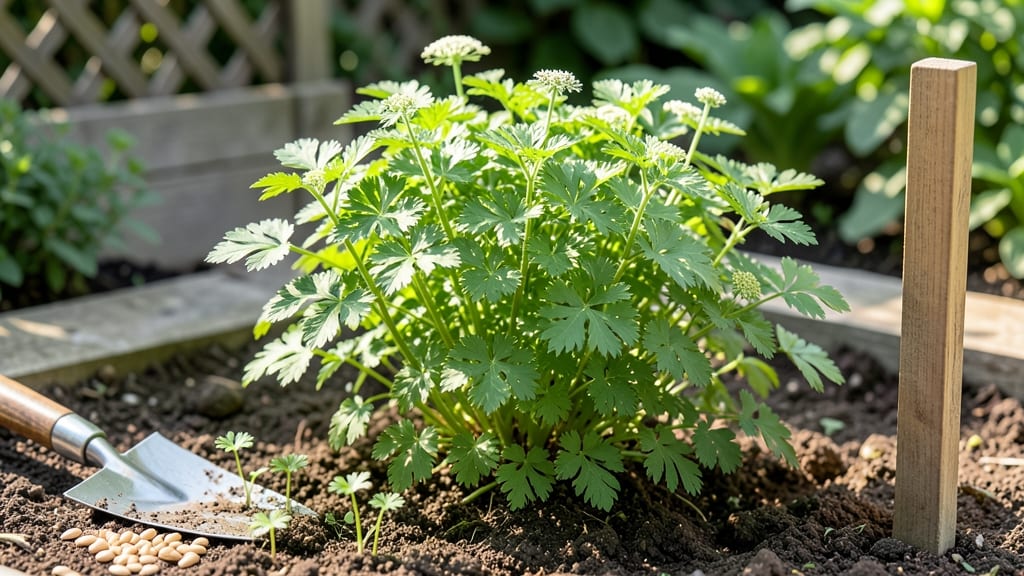
Timing your cilantro planting in Ohio isn’t just about the calendar—it’s about outsmarting the heat before your plants bolt and turn bitter. I’ve learned the hard way that planting too early risks frost damage, while waiting too long means wilting leaves by July.
The key? Two perfect windows where cilantro thrives: early spring and late summer.
Ohio’s Zone 6a climate gives you a narrow but critical opportunity to grow cilantro successfully. In spring, aim for March–April when soil temperatures hover around 50°F—cool enough to keep roots happy but warm enough to avoid stunted growth.
Skip the summer months entirely unless you’re willing to deal with shade cloth and daily watering battles.
Here’s what you’ll discover: how to time your planting for zero bolt risk, which cilantro varieties handle Ohio’s humidity best, and the simple tricks to extend your harvest into fall. No more wasted seeds or sad, leggy plants—just fresh, flavorful 🌿 cilantro straight from your garden.
Ready to stop guessing and start growing? Let’s break down the exact dates, soil prep secrets, and heat-beating strategies that’ll keep your cilantro leafy and happy all season long.
Ohio cilantro planting calendar: spring & fall timing to avoid bolting
Ohio’s USDA Zone 5-7 climate creates a narrow window for growing cilantro—too early and it bolts from cold snaps, too late and summer heat sends it to seed. The key is planting when soil temperatures stay between 40°F and 75°F, a sweet spot cilantro loves.
For most of Ohio, this means two perfect planting seasons: early spring and late summer.
In southern Ohio (like Cincinnati or Columbus), you can push spring planting slightly earlier, but northern Ohio gardeners (think Cleveland or Toledo) should wait until after the last frost date—typically mid-April.
Fall planting starts in late August and continues through early September to give plants time to mature before the first frost hits in mid-October.
Here’s the golden rule: cilantro thrives in cool weather and bolts when temperatures exceed 80°F. Ohio’s summer heat is its nemesis, so timing is everything. Let’s break down the exact months and soil conditions to maximize your harvest.
| Season | Planting Window | Soil Temp | Frost Risk | Harvest Time |
|---|---|---|---|---|
| Spring | March 15–April 15 (Southern OH) April 1–April 30 (Northern OH) |
40°F–65°F | Low (after last frost) | May–June |
| Fall | August 15–September 15 | 50°F–75°F | Moderate (before first frost) | September–October |
| Summer (Risky) | Avoid planting (unless using shade cloth) | Above 80°F | None | Bolting likely |
🌱 Pro Tip: Test soil temperature with a thermometer—cilantro roots need consistent coolness.
For spring planting, start seeds indoors 4-6 weeks before your last frost date if you’re eager to harvest earlier. In northern Ohio, this means sowing seeds indoors in late February and transplanting after mid-April.
In southern Ohio, you can direct-sow seeds outdoors as early as mid-March, but cover them with row fabric to protect from late frosts.
Fall planting is equally critical. Late August is your last chance to sow seeds for a harvest before frost. If you plant too late (after September 15), cilantro may not mature before the first frost hits in mid-October.
To extend your harvest, try succession planting—sow new seeds every 2 weeks in August for a staggered harvest.
Ohio’s microclimates matter too. If you live in a warmer urban area (like Columbus), you might squeeze in a late-spring planting in May, but be prepared to use shade cloth by June. Conversely, rural northern Ohio gardeners should focus solely on spring and fall plantings to avoid bolting.
One common mistake? Planting cilantro in June or July and expecting it to thrive. The moment temperatures hit 85°F+, cilantro sends up flower stalks and tastes bitter. Instead, use this time to grow basil or dill, which handle heat better, and save cilantro for cooler months.
To check if your soil is ready, stick your finger 1 inch deep. If it feels cool but not freezing, it’s time to plant. For extra insurance, use a soil thermometer—aim for 50°F–70°F for ideal germination.
In Ohio, this usually aligns with late March to early April for spring and mid-August to early September for fall.
Finally, don’t forget that cilantro is a cool-season annual, meaning it won’t survive Ohio’s winters. But with the right timing, you can enjoy fresh leaves for 6–8 weeks per planting, giving you two full harvests a year. That’s the secret to beating Ohio’s climate—and bolting—every time.
Ohio cilantro planting calendar: spring & fall timing to avoid bolting
Ohio’s Zone 5-7 climate gives cilantro two prime planting windows: early spring and late summer. Plant too early, and cold snaps stunt growth; too late, and summer heat triggers bolting. The key is matching soil temperatures (50-70°F) with Ohio’s last frost date (mid-April) and first frost (mid-October).
For spring plantings, start seeds indoors 4-6 weeks before your last frost date (around February 15-March 1 for most of Ohio). Transplant outdoors 2-3 weeks after the last frost, when soil warms to 55°F+. This ensures 60-70 days of harvest before summer heat sets in.
🌱 Ohio Cilantro Planting & Harvest Timeline
| Stage | Action | Months | Notes |
|---|---|---|---|
| Indoor Start | Sow seeds | Feb 15–Mar 1 | Use grow lights; keep soil moist |
| Outdoor Transplant | Move seedlings | Apr 15–May 1 | After last frost; harden off first |
| Spring Harvest | Pick leaves | Apr–May | Harvest before flowering |
| Summer Succession | Sow shade cloth | Jun–Jul | 30% shade; water daily |
| Fall Planting | Direct sow | Aug 15–Sep 15 | Soil temp <70°F; 60 days to harvest |
| Fall Harvest | Pick leaves | Sep–Oct | Before first frost |
For fall plantings, sow seeds directly outdoors August 15-September 15 when soil temperatures drop below 70°F. This gives cilantro 60 days to mature before Ohio’s first frost (mid-October). Use row covers to extend the season by 2-3 weeks.
Northern Ohio (Zones 5-6) should plant 2 weeks later than southern Ohio (Zone 7) to avoid late spring frosts. In southern Ohio, you can even try a late summer succession planting (July 1) with 50% shade cloth to cheat summer heat.
Pro tip: Use a soil thermometer to confirm 50-70°F soil temps before planting. Cilantro roots struggle in cold, wet soil or hot, dry conditions—both trigger bolting. Aim for moist, well-draining soil with organic matter for best results.
Remember: Cilantro bolts when days get long (<14 hours of light) or temps exceed 80°F. That’s why fall plantings often outperform spring ones—cooler temps and shorter days keep it leafy longer. 🌿