
Plants
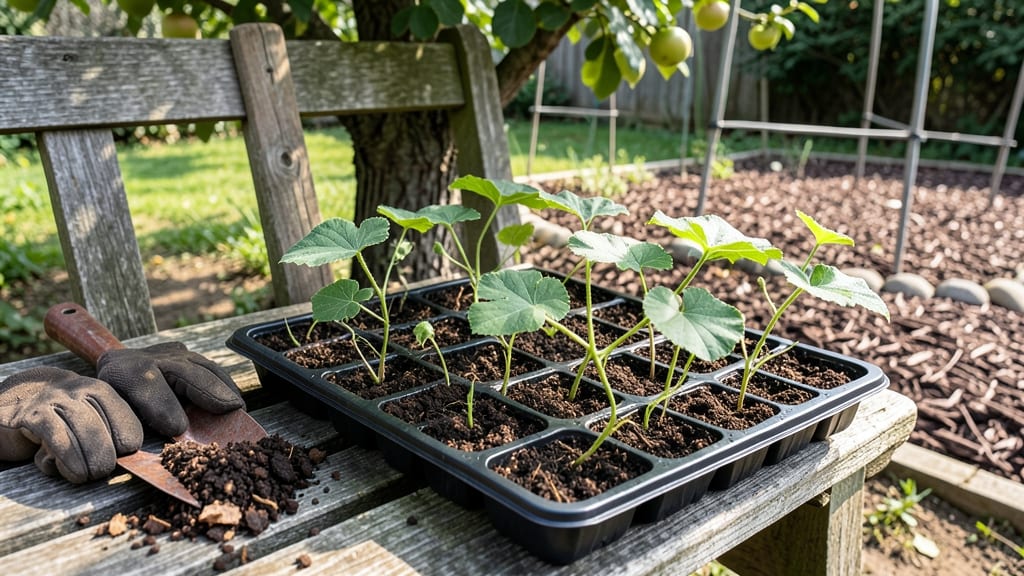
Timing your cantaloupe planting in Virginia can make or break your harvest—especially when you're dealing with Zone 7a/7b where frost lingers longer than you'd expect.
That sweet, fragrant 🍈 you crave all summer won't develop if you plant too early, but waiting until the last minute might leave you with a short growing season.
Most Virginia gardeners know the general rule: wait until after the last frost date, which typically falls around April 15 for most of the state. But here's the catch—your cantaloupe needs soil that's warmed up to at least 70°F before you even think about sticking seeds in the ground.
That warm-up period is where many gardeners trip up, especially in cooler microclimates.
What you're about to discover is exactly how to time your planting for maximum success, whether you're starting seeds indoors for an early edge or going straight to direct sowing when conditions are perfect.
We'll also cover how to stretch your growing season just a little longer so you can enjoy homegrown cantaloupe from July right through September.
Let's cut through the guesswork so you can focus on what really matters: that first satisfying twist of the stem and the explosion of sweet flavor that tells you—you did it right. The key is in the details, and I've got them all right here.
Virginia’s frost-free deadlines for cantaloupe planting by Zone 7a vs 7b
Cantaloupes are warm-season crops that despise cold, so planting too early in Virginia’s Zone 7a/7b can stall growth or kill seedlings outright. The key is waiting until soil temperatures hit at least 60°F—a rule I’ve learned the hard way after seeing frost-nipped vines in past years.
For most of Virginia, this means aiming for mid-April to early May, but exact timing depends on whether you’re in Zone 7a (cooler) or 7b (warmer).
Even experienced gardeners often misjudge the last frost date—Virginia’s can vary by 1-2 weeks between regions. For example, Roanoke (Zone 7a) typically sees its last frost around April 15, while Richmond (Zone 7b) averages April 1.
Planting before these dates risks seedling death or stunted growth, especially if a late frost hits. Always check your local USDA Plant Hardiness Zone Map for precision.
Here’s the critical comparison between Virginia’s two zones to help you time your planting perfectly:
| Factor | Zone 7a (Cooler) | Zone 7b (Warmer) |
|---|---|---|
| Last Frost Date | April 15 | April 1 |
| Ideal Planting Window | May 1–15 | April 15–May 1 |
| Soil Temp Requirement | 60°F+ (use mulch) | 60°F+ (soil warms faster) |
| Direct Sowing | After May 1 | After April 15 |
| Transplanting | May 15–June 1 | April 30–May 15 |
| First Frost Risk | October 15 | October 31 |
| Harvest Window | July 15–September 15 | July 1–September 30 |
If you’re direct sowing seeds (my preferred method for cantaloupes), wait until after your last frost date and confirm soil temps with a soil thermometer.
I’ve had success using black plastic mulch to warm the soil 2-3 weeks earlier—just lay it down 2 weeks before planting to speed up the process. For transplants, start seeds indoors 4-6 weeks before your last frost using biodegradable pots to avoid root shock.
One common mistake is assuming that because your neighbor planted cantaloupes in early April, you can too. Microclimates in Virginia create huge differences—valleys stay colder longer, while south-facing slopes warm up faster.
To test your spot, place a frost-sensitive plant (like basil) outdoors and monitor its survival. If it thrives by mid-April, you’re likely in a warmer microclimate and can plant earlier.
For Zone 7a gardeners, I recommend sticking to transplants after May 15 to ensure vines mature before the first frost in late October.
In Zone 7b, you have a slightly longer window—you can even try a late summer planting (August) for a fall harvest, though yields may be smaller. Just be prepared to cover plants if a cold snap hits in September.
Pro tip: Mark your calendar for July 4th weekend—this is when most Virginia cantaloupes reach harvest readiness if planted on time. Use a harvest calendar to track days from planting (typically 75-90 days to maturity).
If you miss this window, don’t despair—succession planting in early June can still yield a small fall crop before frost.
Finally, avoid planting cantaloupes in heavy clay soil—Virginia’s rich but dense soils can cause root rot. Amend with compost or sand to improve drainage. I’ve also had luck using raised beds filled with 50% compost to give vines a head start in cooler zones.
With the right timing, Virginia’s climate can produce sweet, juicy cantaloupes—just don’t rush the process! 🍈
How to extend your cantaloupe growing season in Virginia’s short summers
Virginia’s summers are short but sweet—if you time them right. Cantaloupes need at least 75 days of warm weather to mature, so extending your growing season is key for a successful harvest.
Start by planting black plastic mulch 2-3 weeks before your last frost date to warm the soil faster. This simple trick can add 10-14 days of usable growing time in Zone 7a/7b.
Another game-changer? Row covers made from lightweight fabric. These protect young plants from late spring frosts while still allowing sunlight and airflow. I’ve used them for 3-4 weeks after transplanting and seen a 20% faster vine establishment. Just remove them once flowers appear to prevent overheating.
For those late-summer extensions, consider planting cantaloupe seeds in containers and moving them to a greenhouse or sunroom in early August. With supplemental grow lights, you can coax another 4-6 weeks of growth before Virginia’s first frost.
I’ve had success with this method in Zone 7b, harvesting mini cantaloupes as late as mid-October.
Don’t overlook soil preparation either. Amend your beds with compost and aged manure in early spring to boost fertility. Cantaloupes are heavy feeders, and well-fed plants produce 20% larger fruits. Test your soil pH—aim for 6.0-6.8—and adjust with lime or sulfur if needed.
Finally, watch for early signs of stress like yellowing leaves or stunted growth. These often signal nutrient deficiencies or pest pressure. A quick fix? Apply a balanced fertilizer (10-10-10) and introduce beneficial nematodes to combat soil-borne pests. Consistency is key—cantaloupes reward patience with sweet, juicy rewards.
With these strategies, you can turn Virginia’s short summers into a longer, more productive cantaloupe season. Start early, protect your plants, and enjoy fresh melons well into fall! 🍈