
Plants
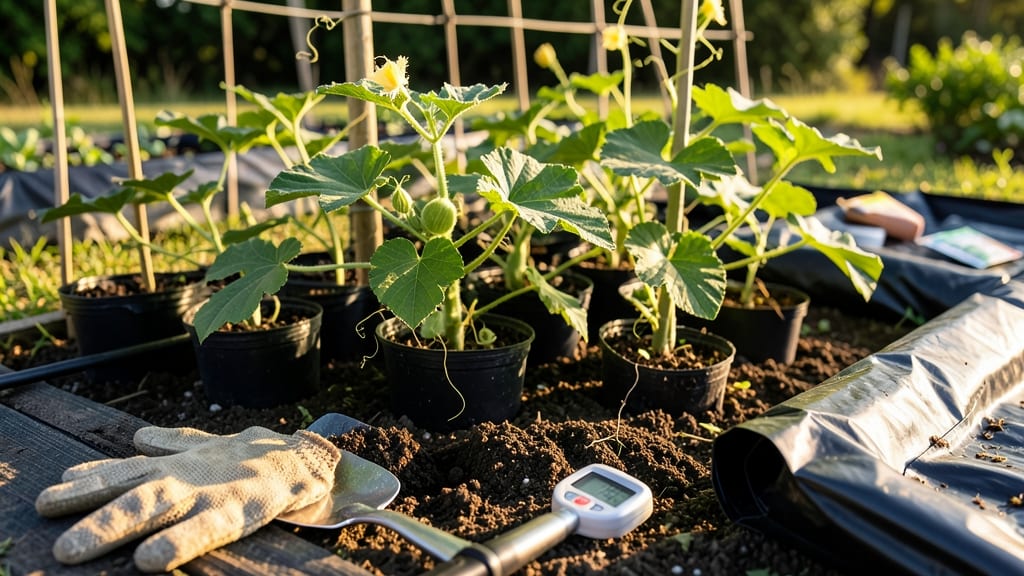
If you've ever struggled with when to plant cantaloupe in Florida—only to watch your seeds sit in cold soil or your vines wilt under summer heat—you're not alone. Florida’s warm climate might seem perfect for cantaloupe 🌱, but timing is everything to avoid bitter fruit or poor germination.
The key lies in waiting for soil to reach that sweet spot of 65-75°F, which typically lands in late March to early April for most of the state. Planting too early risks frost damage in North Florida, while waiting too long can stress seedlings as temperatures climb.
I’ll show you exactly how to read your soil’s cues and adjust for your region.
You’ll also discover how to extend your cantaloupe season—whether by using shade cloth for late spring plantings or mulching to retain warmth in cooler areas. These small tweaks can mean the difference between a fast, bountiful harvest and a disappointing patch.
Let’s break down the best months, soil prep tips, and regional tricks so you can grow cantaloupe that’s sweet, ripe, and ready to pick by summer. Ready to get started?
Optimal planting windows in Florida by region (soil temp guides)
Florida’s diverse climate means cantaloupe planting times vary dramatically from North to South. In North Florida (Zones 8a-9a), frost risk lingers until mid-March, while South Florida (Zones 10a-11) enjoys frost-free soil year-round. The key? Plant when soil hits 65-75°F—cantaloupe seeds won’t germinate below 60°F.
For Central Florida (Zones 9b-10a), aim for late February to early April to avoid summer’s brutal heat. South Florida gardeners can start as early as January, but June-August is ideal for escaping peak humidity. Timing matters—plant too early, and seeds rot; too late, and fruit turns bitter from heat stress.
Here’s your region-specific planting guide, including soil temperature thresholds and best months to ensure fast germination and sweet fruit.
| Region | USDA Zone | Soil Temp Threshold (°F) | Best Planting Months | Avoid Planting After |
|---|---|---|---|---|
| North Florida | 8a-9a | 65-75°F | Mid-March to April | Late May (heat stress risk) |
| Central Florida | 9b-10a | 65-75°F | Late February to early April | June (extreme heat) |
| South Florida | 10a-11 | 65-75°F | January or June-August | September (hurricane season) |
In North Florida, wait until soil warms after last frost (typically March 15-April 1). Use a soil thermometer to confirm—cantaloupe seeds won’t sprout below 65°F. Central Florida offers a longer window, but avoid planting after May 15 to prevent heat stress.
For South Florida, January planting is ideal for an early summer harvest, while June-August avoids peak humidity. September planting risks hurricane damage or fungal diseases. Pro tip: In humid areas, use black plastic mulch to raise soil temps faster and deter weeds.
If you’re in transition zones (e.g., Orlando or Tampa), monitor local weather patterns. A cold snap in April can kill young seedlings. Push planting dates by 2-3 weeks if your area has unpredictable frosts. Always harden off seedlings for 7-10 days before transplanting.
For container growing, plant 2-3 weeks earlier than in-ground—pots warm up faster in spring sunshine. Use 5-gallon containers with drainage holes and fill with well-draining potting mix. Morning sun helps prevent root rot in hot afternoons.
Remember: Cantaloupe thrives in heat, but extreme conditions (above 95°F) stunt growth. Shade cloth (30-50%) can help during peak summer if you’re pushing the season. Mulch heavily to retain moisture and cool roots.
🌱
Optimal planting windows in Florida by region (soil temp guides)
Florida’s diverse climate means cantaloupe planting times vary dramatically from North to South. In the Panhandle and North Florida, cooler springs delay planting until mid-April to May when soil hits 65°F.
Meanwhile, Central Florida gardeners can start as early as late March, while South Florida enjoys planting from February to April—but watch for summer heat stress.
Critical soil temperatures for cantaloupe germination range between 65-75°F. Below 60°F, seeds rot; above 85°F, they fail to sprout. Use a soil thermometer to confirm readiness—this is your best tool for Florida’s unpredictable spring weather.
🌱 Florida Cantaloupe Planting Guide by Region
| Region | Best Planting Months | Soil Temp Threshold | Key Considerations |
|---|---|---|---|
| North Florida (Zone 8a-9a) | Mid-April to May | 65-70°F | Late frosts possible; use row covers |
| Central Florida (Zone 9b-10a) | Late March to April | 70-75°F | Humidity spikes; monitor for fungal diseases |
| South Florida (Zone 10b-11) | February to April | 70-80°F | Heat stress risk after April; use shade cloth |
Avoid planting cantaloupe in July or August across Florida—summer’s relentless heat causes bitter fruit and poor germination. Instead, opt for fall planting in September for a second harvest before winter sets in. South Florida gardeners can even squeeze in a winter crop with shade protection.
Pro tip: Transplant seedlings instead of direct-sowing if your soil warms slower than average. Start seeds indoors under grow lights 3-4 weeks before your target outdoor date. This gives you a 2-week head start on the season.
For North Florida, pair cantaloupe with early spring crops like peas or lettuce to maximize bed space. In South Florida, interplant with heat-tolerant greens like Swiss chard to keep weeds down until your melons take off.
Remember: Soil warmth matters more than calendar dates. If your thermometer reads 65°F+ in February, go for it—Florida’s microclimates let you bend the rules when you’re paying attention to the ground, not the almanac. 🌡️