
Plants
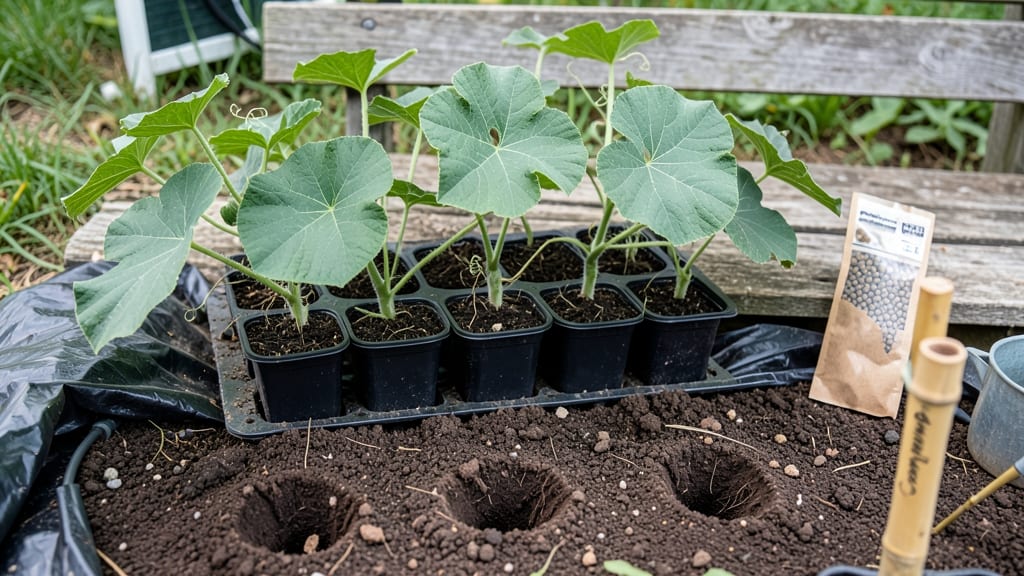
If you’ve ever planted cantaloupe in Louisiana only to watch your seeds fizzle in cool soil, you’re not alone. The right timing isn’t just about the calendar—it’s about soil warmth, and getting it wrong can mean the difference between a fast-growing harvest and wasted effort.
Louisiana’s warm climate (USDA zones 8a-9b) gives cantaloupe 🍈 a fighting chance, but even here, planting too early can leave young vines vulnerable to lingering chills. The key? Waiting until the soil hits at least 70°F—a rule that trumps traditional frost dates.
For most gardeners, that means holding off until late March or early April, but there’s more to it than just the thermometer.
What you’re about to discover is how to sync your planting with Louisiana’s microclimates, from the humid south to the cooler north. We’ll cover soil prep tricks, the best varieties for quick germination, and even how to stretch your season if you’re eager to beat the heat.
Ready to turn those seeds into sweet, sun-ripened fruit?
Let’s dive into the exact strategy that’ll have your cantaloupe thriving when other gardeners are still waiting for their first sprouts.
Louisiana’s cantaloupe planting timeline: soil temperature rules over calendar dates
In Louisiana, planting cantaloupe isn’t about following a fixed calendar date—it’s about soil temperature. Cantaloupe seeds need consistent warmth (at least 70°F) to germinate quickly. Cold soil slows growth, leaving seedlings vulnerable to fungal diseases and pests.
I’ve learned the hard way that rushing planting in March without checking soil temps can mean stunted plants or no harvest at all.
Louisiana’s USDA Zones 8a-9b offer a long growing season, but microclimates vary wildly. North Louisiana (like Shreveport) has cooler springs, while South Louisiana (New Orleans) warms up faster. The key? Use a soil thermometer—it’s your best tool for timing. Aim for 70°F+ at a 4-inch depth before planting.
For early varieties, I start seeds indoors in early March and transplant after the last frost (typically mid-February to early March). For main-season planting, direct-sow seeds in late March to early May once soil is warm.
This aligns with Louisiana’s 240-270 frost-free days, giving cantaloupes enough time to mature before fall’s first chill.
Here’s the golden rule: Never plant cantaloupe before April 15 unless you’re using row covers to protect seedlings. Even then, soil warmth is non-negotiable. I’ve seen gardeners in Lake Charles plant as early as mid-March, while those in Monroe wait until late April to avoid frost risks.
| Stage | Action | Soil Temp (°F) | Month |
|---|---|---|---|
| Seedlings Indoors | Start seeds 4-6 weeks before last frost | 65-70°F | Early March |
| Transplant Outdoors | Move seedlings after soil hits 70°F+ | 70°F+ | Mid-April |
| Direct Sow | Plant seeds when soil is 70°F+ | 70°F+ | Late March–Early May |
| Harvest Window | Pick when rind turns tan and stem slips | N/A | June–September |
🌱 Pro Tip: Use black plastic mulch to warm soil 2-3°F faster in cooler areas.
If you’re in North Louisiana, where springs are slower to warm, consider raised beds or black plastic mulch to accelerate soil heating. I’ve seen gardeners in Bossier City add compost-rich soil under mulch to retain heat longer.
For South Louisiana, where humidity is higher, focus on well-draining soil to prevent rot.
One mistake I’ve seen is planting cantaloupe too late—after May 15. While Louisiana’s heat is ideal, late plantings risk bolting (premature flowering) or poor fruit set before fall’s first frost. Stick to March–April for the best balance of warmth and time.
For extended harvests, I plant a second crop in early June using fast-maturing varieties. This works because Louisiana’s fall temperatures stay warm long enough for a second go-around. Just be ready to harvest by late September before cool nights slow growth.
Remember: Soil temperature > calendar dates. A $10 soil thermometer is cheaper than wasted seeds. Check temps in the morning for accuracy—soil cools overnight and can trick you into planting too early.
Finally, if you’re in a coastal area like Grand Isle, where humidity is extreme, opt for disease-resistant varieties and space plants 6 feet apart for airflow. In drier inland areas, mulch heavily to retain moisture during Louisiana’s scorching summers.
Louisiana’s cantaloupe planting timeline: soil temperature rules over calendar dates
Louisiana’s frost-free growing season runs from mid-February to early December, but cantaloupe seeds need soil temperatures of 70°F+ to germinate. Unlike cooler crops, cantaloupe doesn’t care about the calendar—it responds to heat.
In North Louisiana (USDA Zone 8a), wait until mid-April when soil warms reliably. In South Louisiana (Zone 9b), you can start as early as late February under row covers.
Use a soil thermometer to check depth—cantaloupe roots need warmth at 2-4 inches deep. Morning readings above 70°F for 3 days straight signal it’s time to plant.
Skipping this step means slow germination or no sprouts at all. Last frost dates matter less here than soil warmth, but always confirm your local frost-free window using the Louisiana Climate Center’s historical data.
| Region | Ideal Planting Window | Soil Temp Requirement | Key Risk |
|---|---|---|---|
| North Louisiana (Zone 8a) | Mid-April to Early May | 70°F+ (2-4" depth) | Late frosts (after April 15) |
| Central Louisiana (Zone 8b) | Late March to Mid-April | 70°F+ (consistent 3+ days) | Cool soil pockets |
| South Louisiana (Zone 9b) | Late February to Early April | 68°F+ (with row covers) | Humidity-related rot |
For early varieties, use black plastic mulch or row covers to warm soil faster. Remove covers once vines emerge to prevent overheating. In humid South Louisiana, prioritize well-draining soil to avoid fungal issues.
If your soil stays cool past May 1st, switch to container growing with heat mats—cantaloupe will still thrive with the right warmth.
Pro tip: Plant fast-maturing varieties (like ‘Athena’) in June for a fall harvest before humidity spikes. This avoids powdery mildew, a common late-summer issue. Track your first frost date (usually mid-November) to time your final planting window—aim for 90 days before frost for a successful crop.
Never plant cantaloupe before soil reaches 65°F, even if calendar dates suggest it’s safe. Cold soil = rotten seeds. Test with a $10 soil thermometer—it’s the only way to guarantee germination. Louisiana’s heat is your ally, not the calendar. 🌱
If you’re in urban areas with microclimates (like New Orleans’ French Quarter), plant 2 weeks later than rural zones—concrete and buildings trap heat, but they also delay soil warming in spring. Adjust your timing based on localized heat pockets, not just zip codes. ☀️