
Plants
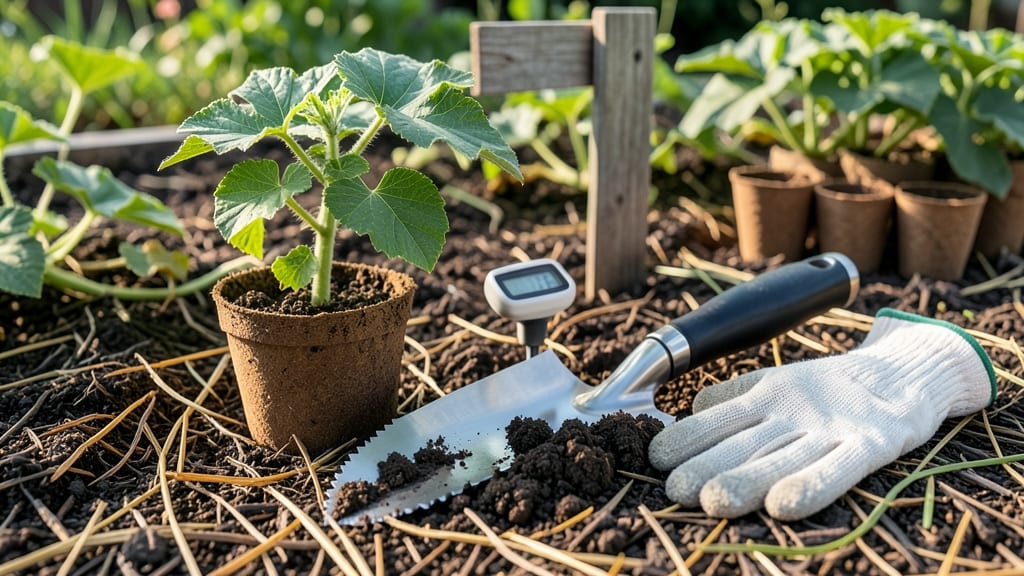
Timing your cantaloupe planting just right in Zone 6 could mean the difference between sweet, juicy harvests and wilted disappointment. This warm-weather lover needs soil temperatures above 60°F to thrive—and planting too soon after frost risks stunted growth or worse.
I’ve learned the hard way that cantaloupe 🌱 won’t tolerate cold soil, so knowing the exact weeks before your last frost is critical. Whether you’re starting seeds indoors or sowing directly, the key lies in balancing warmth, sunlight, and your region’s unpredictable spring.
Let’s break down the perfect schedule so you can grow cantaloupe that’s ripe, flavorful, and ready to eat by summer.
Most gardeners in Zone 6 wait until 2-4 weeks after the last frost date, but soil temperature—not calendar dates—is the real game-changer. I’ll show you how to test soil warmth and adjust planting times for northern vs. southern parts of the zone.
With these pro tips, you’ll avoid common pitfalls and set your vines up for success.
From choosing the right spot to extending the season with mulch, this guide covers everything you need to grow cantaloupe that’s bursting with flavor. Skip the guesswork and start planting with confidence—your taste buds will thank you!
Optimal planting weeks before last frost in Zone 6 (with exact dates)
Cantaloupe is a heat-loving annual that refuses to grow in cold soil, making Zone 6's short growing season a challenge. The key to success? Planting at the perfect frost-free window when soil temperatures hit at least 70°F (21°C)—typically 2-4 weeks after your last frost date.
In Zone 6, your last frost date usually falls between April 15 and May 15, depending on your exact location.
For example, in northern Zone 6 (e.g., Chicago, IL), aim for May 15-20, while southern Zone 6 (e.g., Nashville, TN) can start as early as April 25-May 5.
Here’s the golden rule: Never plant cantaloupe seeds directly into cold soil. They won’t germinate, and seedlings will rot or fail. Instead, use warmth-loving strategies like black plastic mulch or a mini greenhouse to jumpstart growth.
If you’re transplanting seedlings, start them indoors 3-4 weeks before your target outdoor planting date. Use biodegradable pots to avoid root disturbance when moving them outside.
For direct seeding, wait until soil temperatures consistently stay above 70°F (21°C)—test with a soil thermometer for accuracy. In Zone 6, this often means late May to early June, depending on your microclimate.
🌱
| Stage | Action | Zone 6 Timing | Soil Temp |
|---|---|---|---|
| Start Seeds Indoors | 3-4 weeks before last frost | April 15-May 1 | 65-70°F (18-21°C) |
| Transplant Seedlings | After last frost, soil 70°F+ | May 15-June 1 | 70-75°F (21-24°C) |
| Direct Seed Outdoors | When soil is 70°F+ | Late May-Early June | 70-80°F (21-27°C) |
| Harvest Window | 75-90 days after planting | July-September | 75-85°F (24-29°C) |
Pro tip: Use black plastic mulch to warm soil faster. Lay it down 2-3 weeks before planting to create a microclimate that speeds up germination and growth.
If you’re in northern Zone 6, consider trellising cantaloupe to save space and protect vines from late frosts. Varieties like 'Athena' or 'Hale's Best' are disease-resistant and mature faster, making them ideal for shorter seasons.
For extended harvests, plant a second crop in early July if your season runs late. Just ensure you have enough warmth and sunlight left for the vines to mature before the first frost.
🌿
Remember: Cantaloupe needs at least 80 days of warm weather to produce fruit. In Zone 6, this means starting early and protecting plants from unexpected late frosts with row covers or cloches.
Optimal planting weeks before last frost in Zone 6 (with exact dates)
Cantaloupe is a warm-season crop that hates cold soil, so timing is everything in Zone 6. The last frost date varies—typically mid-April to early May—but cantaloupe seeds need soil temperatures above 70°F to germinate. That means waiting until 2-3 weeks after your last frost is critical.
In northern Zone 6 (e.g., Chicago, Milwaukee), aim for late May to early June planting. For southern Zone 6 (e.g., Atlanta, Nashville), you can start as early as mid-April if soil is warm.
Always check a soil thermometer—60°F is the minimum, but 70°F+ is ideal.
For direct seeding, plant ½-inch deep and 1-inch apart in hills. Thin to 2 plants per hill when seedlings are 3 inches tall. If you’re transplanting seedlings, wait until after June 1—cantaloupe is extremely sensitive to cold and will bolt or rot in cool soil.
Pro tip: Use a soil warming trick like black plastic mulch or clear plastic tunnels to jumpstart germination in cooler springs. This can shave 1-2 weeks off your planting timeline, giving your vines a head start before summer heat arrives.
Remember, cantaloupe needs 75-90 days to mature. Planting too late risks frost damage before harvest, so balance early warmth with your first frost date (typically mid-October in Zone 6). Aim for a 120-day growing window to ensure sweet, ripe fruit.
Always monitor your local microclimate—urban areas may warm faster than rural spots, and elevated beds heat up quicker. Adjust your planting date accordingly to avoid slow germination or stunted growth.