
Plants
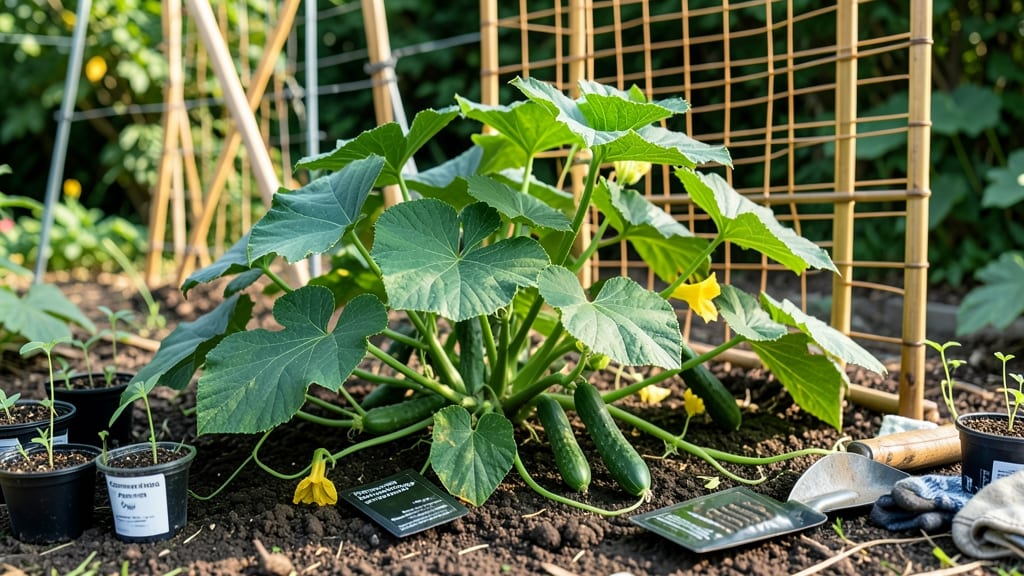
Central Florida cucumber planting calendar: avoid bolting with these exact dates
Central Florida’s USDA Zone 9b climate lets you grow cucumbers in two prime windows: spring and fall. Timing is critical—plant too early, and bolting (premature flowering) robs you of harvests; too late, and heat stress stunts growth.
Here’s the exact calendar I use to maximize yields in Orlando, Tampa, and Gainesville.
For spring planting, aim for late February to early March after the average last frost date (January 15). Soil temperatures must reach 60°F for seeds to germinate reliably.
In fall, plant August to early September to beat the first frost (December 15) and avoid summer’s brutal heat.
⚠️ NON-NEGOTIABLE: Always check your local frost-free dates—microclimates vary! For example, Tampa’s coastal warmth may allow earlier planting than inland Gainesville. Use a soil thermometer to confirm readiness before sowing.
Succession planting is your secret weapon for continuous harvests. In spring, sow new seeds every 2 weeks until May. For fall, space sowings 3 weeks apart through September. This ensures cucumbers mature at different times, preventing glut and waste.
Choose heat-tolerant varieties like ‘Straight Eight’ or ‘Marketmore 76’ for summer planting. These handle Central Florida’s 90°F+ temperatures better than standard types. Always mulch heavily (straw or black plastic) to retain moisture and cool roots.
Harvest begins 50–75 days after planting, depending on variety. Pick cucumbers frequently—every 2–3 days—to encourage more production. Let them linger on the vine, and they’ll turn bitter or seedy. Aim to harvest when they’re 6–8 inches long and deep green.
Extend your season with row covers or a low tunnel in fall. These protect tender plants from light frosts (down to 28°F) and can add 3–4 extra weeks to your harvest. Just remove covers during the day to prevent overheating.
🌱 Remember: Cucumbers are 90% water. In Central Florida’s dry spells, water deeply every 2–3 days—more often in summer. Use drip irrigation to keep foliage dry and reduce fungal diseases like powdery mildew.
How to adjust planting times for Central Florida’s microclimates (Orlando vs. Tampa vs. Gainesville)
Central Florida’s 3 distinct microclimates—Orlando’s humid heat, Tampa’s coastal breezes, and Gainesville’s inland dryness—each demand customized cucumber planting windows. A 2-week difference in timing can mean the difference between a thriving harvest and bolted vines.
Let’s break down the ideal schedules for each region, including seed-starting indoors and transplanting outdoors.
In Orlando (USDA Zone 9b), where summer heat arrives early, aim to transplant cucumbers 2-3 weeks after your last frost date (typically mid-March). Start seeds indoors 4-6 weeks before to give them a head start.
For fall planting, sow seeds directly outdoors in early August to avoid the peak 90°F+ temperatures that trigger bolting.
Tampa’s coastal climate (also Zone 9b) offers a slightly longer growing window thanks to milder winters and ocean breezes that delay heat stress. Transplant seedlings by late February for spring harvests, or late July for fall. The salt-laden air can stress plants, so amend soil with compost and mulch to retain moisture and nutrients.
| Region | Spring Planting Window | Fall Planting Window | Key Adjustment |
|---|---|---|---|
| Orlando | Transplant: Mid-March Direct Sow: Late March |
Direct Sow: Early August | Use row covers for late frosts; avoid July heat. |
| Tampa | Transplant: Late February Direct Sow: Early March |
Direct Sow: Late July | Amend soil with compost to combat salt stress. |
| Gainesville | Transplant: Early April Direct Sow: Mid-April |
Direct Sow: Mid-August | Wait for soil temps >65°F; use drip irrigation. |
Gainesville’s inland climate (Zone 8b) experiences cooler nights and drier conditions, so delay planting until after April 1st to avoid late frosts. For fall, aim for mid-August sowing to ensure vines mature before first frost in December. Monitor soil temperatures—cucumbers won’t germinate well below 65°F, so use a soil thermometer if in doubt.
Pro tip: Succession planting every 2 weeks after your initial sowing will give you a continuous harvest. In Orlando, this means 4 plantings in spring and 3 in fall.
Use bush varieties like ‘Bush Champion’ for smaller spaces, or vining types like ‘Straight Eight’ for trellises to save space.
Remember, heat tolerance varies by variety. For Central Florida, opt for heat-resistant hybrids like ‘Suyo Long’ or ‘Marketmore 76’—they handle 90°F+ temps better than traditional varieties. Pair this with afternoon shade cloth during peak summer to delay bolting until temperatures drop.