
Plants
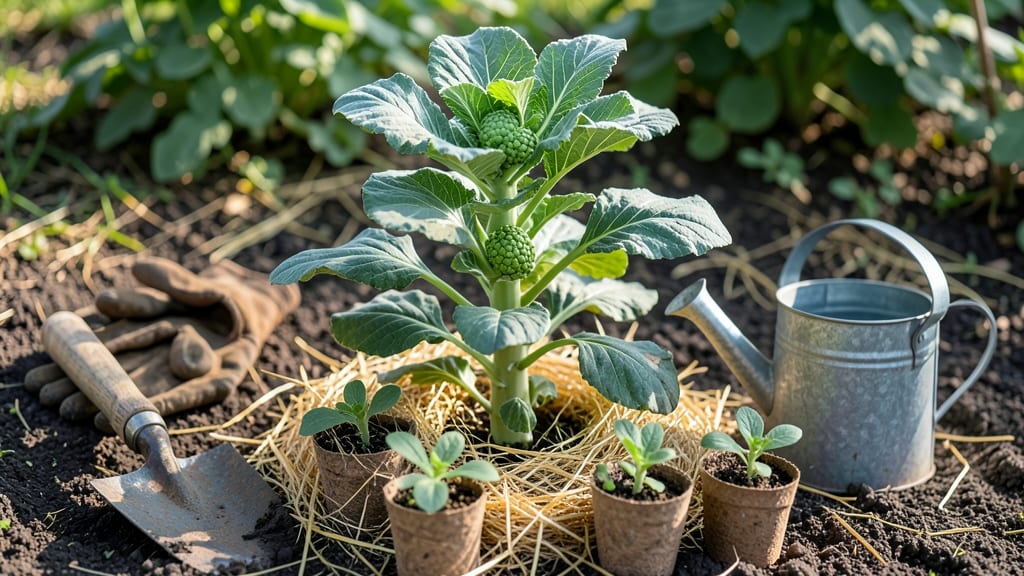
Timing your brussel sprouts 🥦 planting in Colorado isn’t just about following a calendar—it’s about outsmarting elevation, frost, and those sudden mountain temperature swings that can turn your garden into a science experiment. Skip the guesswork, and you’ll end up with either bolting plants or frost-bitten sprouts by October.
Here’s the hard truth: Colorado’s USDA zones 5-7 demand precision, especially when your growing season hinges on 120-160 frost-free days and microclimates that can vary by 1,000 feet between your neighbor’s yard and yours.
Plant too early in spring, and your sprouts will bolt in the heat; too late, and frost will steal your harvest before you even taste that first crisp bite.
I’ve cracked the code for two foolproof windows—spring and fall—that work across Denver’s high plains to the Western Slope’s valleys. Whether you’re direct-sowing seeds or nurturing starts indoors, these elevation-adjusted dates will give you the edge.
Let’s dive into the exact timing (and what to watch for when the first frost sneaks in earlier than expected).
You’ll also discover how to extend your harvest window using row covers and other Colorado-specific tricks, so you’re still picking sprouts in December when your friends are stuck with store-bought sad excuses. Ready to turn your garden into a brussel sprout powerhouse?
Colorado elevation-Zone planting dates for brussel sprouts (with frost risk analysis)
Colorado’s diverse elevations—from Denver’s 5,280 feet to mountain valleys at 8,000+ feet—create unique frost risks for Brussel sprouts. Planting too early in spring or too late in fall can mean frost-killed seedlings or underdeveloped sprouts. Here’s how to time it right for your elevation zone.
Brussel sprouts prefer cool weather (50–75°F) and thrive in Colorado’s USDA Zones 5–7. However, the last spring frost varies dramatically: April 15 in Denver but May 15 in mountain regions. The first fall frost also shifts from October 15 in lowlands to September 15 at higher elevations.
To simplify, I’ve broken down the ideal planting windows by elevation, including frost-free days and hardiness adjustments. Use this as your guide to avoid common mistakes like overestimating warm-up dates or planting too close to frost.
| Elevation Zone (ft) | Last Frost Date (Avg.) | First Frost Date (Avg.) | Spring Planting Window | Fall Planting Window | Frost-Free Days |
|---|---|---|---|---|---|
| 5,000–6,000 ft (Denver, Front Range) | April 15 | October 15 | Mid-April to early June | Late July to early August | 120–140 days |
| 6,000–7,000 ft (Mountain Foothills) | May 1 | September 30 | Late April to mid-June | Early July to mid-August | 100–120 days |
| 7,000–8,000 ft (High Mountain Valleys) | May 15 | September 15 | Early May to late May | Late June to early July | 80–100 days |
🌱 Pro Tip: Use row covers to extend your fall harvest by 2–3 weeks in all zones.
For Denver and the Front Range (5,000–6,000 ft), aim to plant Brussel sprouts in mid-April to early June for a spring crop or late July to early August for a fall harvest. The 120–140 frost-free days in this zone give you ample time for a full 90–120-day growing season.
In mountain foothills (6,000–7,000 ft), shift your planting to late April to mid-June for spring and early July to mid-August for fall. The shorter 100–120 frost-free days mean you’ll need to prioritize fall plantings for a harvest before the September 30 frost.
At 7,000–8,000 ft, focus on early May to late May for spring and late June to early July for fall. The 80–100 frost-free days here are the shortest, so choose compact varieties like 'Long Island Improved' or 'Ruby Ball' for faster maturity.
Always check the Colorado State University Extension’s frost date maps for your exact location, as microclimates can shift dates by 1–2 weeks. For example, Boulder’s last frost is often 2 weeks earlier than Denver’s due to its higher elevation and urban heat island effect.
If you’re unsure about your local frost dates, use seed-starting indoors to get a head start. Begin seeds 6–8 weeks before your last frost date, then transplant seedlings outdoors after the soil warms to 45°F. This method works especially well for high-elevation gardeners with shorter seasons.
Remember: Brussel sprouts taste sweeter after a light frost, but the plant itself won’t survive prolonged freezing. Plan your harvest for October–December, picking sprouts before temperatures drop below 20°F for extended periods.
Colorado elevation-Zone planting dates for brussel sprouts (with frost risk analysis)
Colorado’s diverse elevations create unique planting challenges for brussel sprouts. At 5,000–6,000 feet (Denver area), your last frost typically arrives around April 15, while mountain regions at 7,000–8,000 feet may see frost until May 10.
These differences mean your planting window shifts dramatically—even by just 1,000 feet in elevation.
For spring planting, aim to sow seeds 4–6 weeks before your last frost. In Denver, that’s mid-March to early April, but at 7,000 feet, wait until late April.
Fall planting should occur 80–90 days before your first frost, typically late July to early August statewide.
Brussel sprouts thrive in cool temperatures (50–75°F), making them perfect for Colorado’s short growing season. However, soil temperatures below 40°F stunt germination, while heatwaves above 85°F cause bolting. Use these elevation-specific guidelines to align your planting with Colorado’s unpredictable frost patterns.
🌱 Colorado Elevation-Zone Planting Guide for Brussel Sprouts
| Elevation Zone | Last Frost Date | Spring Planting Window | Fall Planting Window | Frost Risk Notes |
|---|---|---|---|---|
| 5,000–6,000 ft (Denver) | April 15 | Mid-March to early April | Late July to early August | Urban heat islands delay frost; monitor local forecasts. |
| 6,000–7,000 ft (Front Range foothills) | May 1 | Late March to mid-April | Early to mid-August | Nighttime frosts common; use row covers. |
| 7,000–8,000 ft (Mountain valleys) | May 10 | Late April to early May | Mid-August to late August | High risk of late frosts; plant near heat sources. |
📅 Pro Tip: Check Colorado State University Extension for your county’s 10-year frost averages—they vary yearly!
If you’re in Zone 5 (e.g., Grand Junction), your frost-free season is 140–160 days, while Zone 7 (e.g., Colorado Springs) enjoys 120–140 days.
This means fall-planted sprouts in Zone 5 can mature by November 15, while Zone 7 gardens may need to harvest by October 30 to avoid frost damage.
For high-altitude gardens (7,000+ ft), consider starting seeds indoors 6–8 weeks before transplanting to give them a head start. Use grow lights if natural light is limited, and harden off seedlings for 10–14 days before moving them outdoors to prevent transplant shock.
Remember: Colorado’s microclimates can create 10°F temperature swings between urban Denver and nearby mountain towns. Always monitor your local weather and adjust planting dates accordingly—your neighbors’ gardens might not match your frost timeline!