
Plants
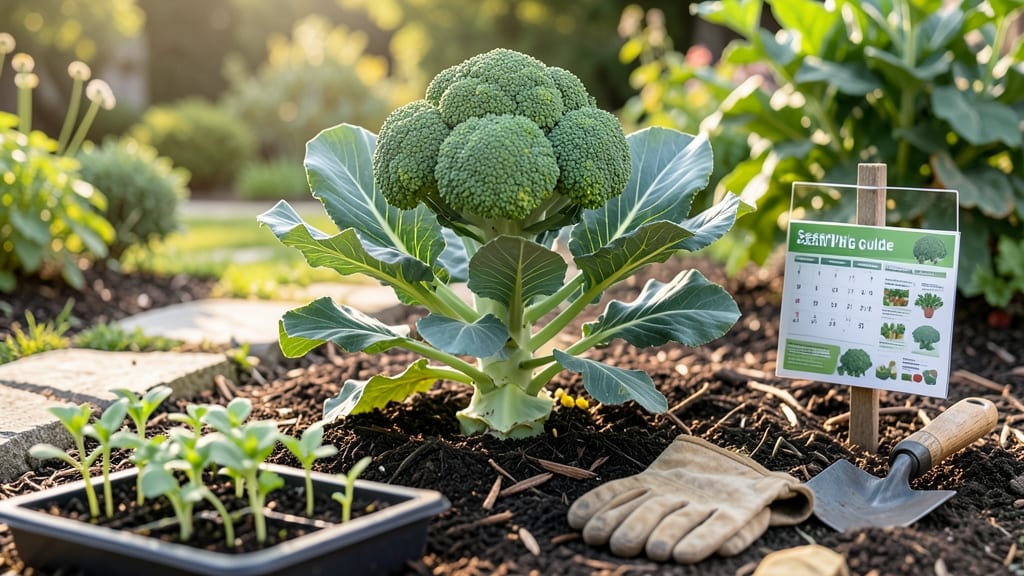
Timing your 🥦 broccoli planting in North Texas isn't just about the calendar—it's about outsmarting the heat and frost to get those perfect heads before they bolt or freeze.
If you've ever watched your broccoli plants send up flowers instead of forming tight, flavorful crowns, you know how frustrating the wrong timing can be.
Here's the secret: Planting in mid-August to early September for fall harvest or February to early March for spring gives broccoli the ideal window to mature before Texas' extreme temperatures take over.
But there's more to it than just dates—variety selection and soil prep make all the difference in whether your plants survive to harvest or surrender to the heat.
In this guide, I'll walk you through the exact months to plant, which heat-resistant varieties actually perform in North Texas, and how to extend your growing season without a greenhouse. No more guessing games—just reliable, region-specific advice to get you from seed to salad bowl.
Whether you're a first-time gardener or a seasoned green thumb, these insights will help you avoid the common pitfalls and enjoy homegrown broccoli that's sweeter and more nutritious than anything you can buy. Let's get those plants in the ground the right way.
Best planting months for broccoli in North Texas (with exact dates to avoid bolting)
North Texas gardeners face a unique challenge with broccoli: the scorching summers and unpredictable winters. Plant too early, and a single late frost can wipe out your crop.
Plant too late, and 85°F+ temperatures trigger bolting—turning your plants into bitter, seed-filled stalks before harvest. The key? Precision timing—a narrow window where your broccoli thrives without stress.
For fall broccoli, the sweet spot is mid-August to early September. This gives plants 60-80 days to mature before the first frost (typically mid-November in North Texas).
Spring planting, however, is riskier: aim for late February to early March, but be ready to shield seedlings from unexpected cold snaps that linger into April.
Here’s the critical data you need to nail your planting schedule—including heat-resistant varieties and microclimate adjustments for DFW vs. West Texas:
| Planting Window | Recommended Varieties | Average Days to Harvest | Heat Risk Level | Key Tip for Success |
|---|---|---|---|---|
| Mid-August to Early September (Fall) | Waltham 29, De Cicco, Calabrese | 60-75 days | Low (cool nights) | Mulch with straw to retain moisture |
| Late February to Early March (Spring) | Green Goliath, Packman | 55-65 days | High (spring heat spikes) | Use shade cloth (30-50%) if temps exceed 80°F |
| October (Succession Planting) | Belstar (hybrid) | 50-60 days | Moderate (cool but shorter days) | Plant in raised beds for better drainage |
Why these dates? North Texas’ USDA Zone 8a means we dodge the worst of winter frost but face sweltering afternoons even in early fall. For example, DFW’s September average hovers around 82°F—perfect for broccoli’s 60-70°F ideal range.
But by late September, temperatures creep toward 88°F, increasing bolting risk. That’s why early September is your cutoff.
Pro tip: Check your local frost dates—West Texas (e.g., Lubbock) can have earlier first frosts than DFW. Use the Texas A&M AgriLife Extension frost calculator to adjust your schedule by 1-2 weeks if needed.
And if you’re in a microclimate (like a low-lying area), plant 2 weeks later to avoid cold pockets.
Bolting isn’t just about heat—it’s also about day length. Broccoli senses longer daylight hours (14+ hours in Texas summers) as a signal to bolt. That’s why fall planting is your best bet: shorter days keep plants focused on head formation instead of flowering.
For spring plantings, Green Goliath is my top pick—it tolerates up to 85°F better than most varieties, but you’ll still need to water deeply twice daily once temps hit 90°F+.
Pair this with drip irrigation to avoid wetting leaves (which fuels fungal diseases like downy mildew), and you’ll buy yourself extra weeks before bolting strikes.
Remember: Succession planting in October can give you a second harvest before winter sets in. Just choose fast-maturing varieties like Belstar (50 days to harvest) and plant in raised beds to improve drainage—North Texas clay can turn soggy after rain.
🌱
Best planting months for broccoli in North Texas (with exact dates to avoid bolting)
North Texas’s hot summers and unpredictable winters make broccoli planting a precision game. The key? Planting 4-6 weeks before the first frost (around mid-August to early September) for a fall harvest, or 2-3 weeks before the last frost (early February to March) for spring.
Miss these windows, and you’ll either lose plants to frost or watch them bolt in 85°F+ heat.
DFW gardeners have a slightly longer window than West Texas due to microclimates. For example, Lubbock’s earlier frost dates mean starting seeds indoors by July 15 for fall transplants, while Dallas can wait until August 1. Always check your local frost dates—they’re your planting calendar.
⚠️ CRITICAL TIMELINE: Broccoli needs 60-80 days to mature. Plant too late in spring (after March 15), and you’ll face bolting by May. Fall plantings after September 30 risk stunted growth before winter chill sets in.
| Planting Window | Recommended Varieties | Average Days to Harvest | Heat Risk Level | Key Tip for Success |
|---|---|---|---|---|
| Mid-August to Early September | Waltham 29, De Cicco | 60-70 days | Low (cool nights) | Use shade cloth 30% if temps exceed 90°F |
| Early February to March 15 | Calabrese, Belstar | 70-80 days | Medium (spring heat spikes) | Mulch with straw 2-3 inches to retain moisture |
| Late March (Risky) | Green Magic (fast-maturing) | 50-60 days | High (bolting likely) | Plant in partial shade if no alternative |
For West Texas gardeners, push fall plantings to late July to avoid the 100°F+ August heat. In DFW, September 15 is the cutoff—after that, broccoli struggles to form heads before winter. Always harden off seedlings for 7-10 days before transplanting to prevent shock.
Pro tip: Use a soil thermometer—broccoli roots prefer 50-75°F soil temps. If your soil hits 80°F+, delay planting or use black plastic mulch to cool the roots. This simple trick can add 2-3 weeks to your growing season.
Remember: Bolting isn’t just about heat—it’s also triggered by stress. Overcrowding, poor soil, or inconsistent watering can send your broccoli into flower mode faster than Texas summers. Keep plants 12-18 inches apart and water deeply 2-3 times weekly to avoid this fate.