
Plants
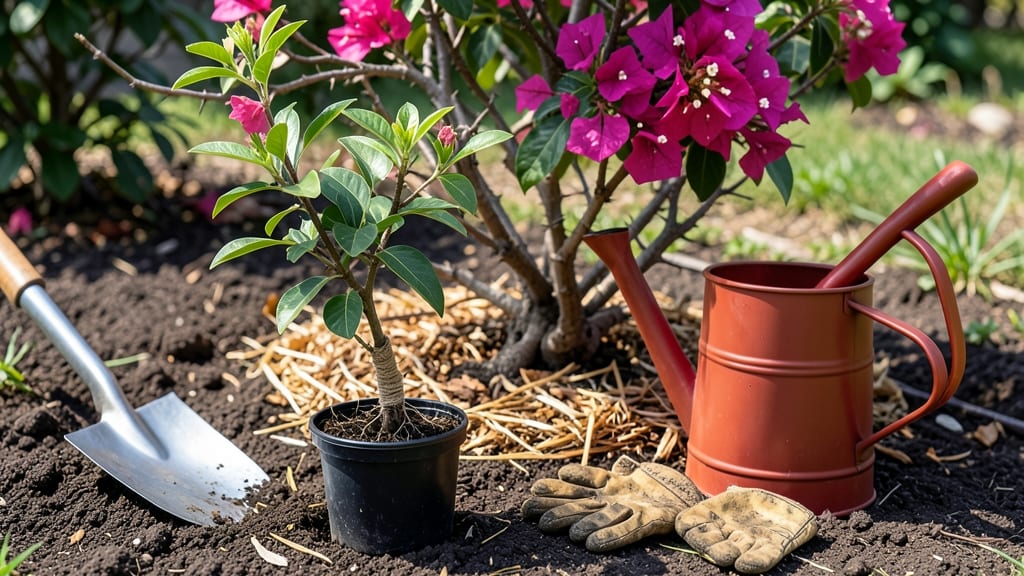
Planting bougainvillea in Arizona at the wrong time can mean years of waiting for those stunning 🌸 blooms—or worse, losing your plant to the brutal heat before it even takes root.
The key to success lies in timing it right, between November and March, when temperatures are cooler and the monsoon season has passed.
You might think Arizona’s 9b climate means you can plant anytime, but the desert’s extreme summer heat and unpredictable frost can sabotage even the hardiest bougainvillea.
The perfect window is early winter, when soil temperatures are ideal for root establishment, and the plant can focus on growing strong before the blooms arrive.
Whether you’re planting in Phoenix, Tucson, or Yuma, the rules are the same: avoid the scorching summer months and give your bougainvillea a fighting chance. I’ll walk you through the exact steps—from soil prep to post-planting care—to ensure your bougainvillea thrives and bursts into color year-round.
Ready to transform your yard into a vibrant oasis? Let’s dive into the science-backed schedule that’ll have your bougainvillea flourishing in no time.
Optimal planting months for bougainvillea in Arizona’s climate zones
Arizona’s USDA hardiness zones 7a-11a create a diverse planting landscape for bougainvillea, but timing is everything. The coolest months—November through March—offer the perfect balance of soil warmth and avoided extreme heat, allowing roots to establish before summer’s 110°F+ temperatures.
In Phoenix (Zone 9b), aim for November to February, while Tucson (Zone 8a) can extend slightly later into March. Higher elevations like Flagstaff (Zone 6b) should plant in late spring (April-May) to avoid frost risks.
Container-grown bougainvillea gives you flexibility—plant anytime soil temps stay above 60°F, but early winter (November) is ideal for root establishment before monsoon rains. In-ground planting requires well-draining soil and full sun exposure—Arizona’s clay-heavy soils need amendment with compost or sand to prevent root rot.
If you’re in Yuma (Zone 10a), plant in winter (December-February) to escape the scorching summer sun that can stress young plants.
Here’s the climate-zone breakdown for bougainvillea planting in Arizona, including critical soil temperature thresholds and microclimate considerations to maximize success:
| Zone | Best Planting Window | Soil Temp Threshold (°F) | Key Microclimate Notes |
|---|---|---|---|
| Phoenix (9b) | November–February | 60°F+ (use thermometer!) | Avoid summer planting; clay soil needs amendment. |
| Tucson (8a) | November–March | 55°F+ | Higher elevation; frost risk in late winter. |
| Yuma (10a) | December–February | 65°F+ | Extreme heat; prioritize shade cloth for young plants. |
| Flagstaff (6b) | April–May | 50°F+ | Short growing season; use containers for mobility. |
🌡️ Pro Tip: Always check soil temps with a soil thermometer—bougainvillea roots need consistent warmth to thrive.
Avoid planting during monsoon season (July-September)—intense rains can drown roots in Arizona’s impermeable clay soils. Instead, time your planting to late fall or early winter, when temperatures stabilize and humidity drops. This gives bougainvillea 3-4 months of root growth before the spring bloom surge, ensuring vibrant flowers by April. For container plants, you can push boundaries slightly (plant in October or April), but in-ground specimens demand precise timing to survive Arizona’s triple-digit summers.
Container-grown bougainvillea is your best bet for flexibility—plant anytime soil stays above 60°F, but November-February still wins for root vigor. Use well-draining potting mix with perlite or pumice to mimic Arizona’s desert-like conditions. If you’re in Zone 10a (Yuma), winter planting (December-February) is non-negotiable—summer heat will fry young roots in just 2 weeks.
Pruning before planting is a game-changer: Trim leggy growth and dead branches to redirect energy into root establishment. This also encourages bushier growth once blooming season arrives. Pair this with a slow-release fertilizer (like 7-7-7 NPK) at planting time to boost early growth. In higher elevations (Zones 7a-8a), mulch heavily with gravel or straw to insulate roots from winter chill.
Arizona’s unpredictable weather means microclimates matter—a south-facing wall can add 5-10°F of warmth, while shaded areas may delay planting by 2-4 weeks. Always monitor local forecasts for unexpected frost (even in Zone 9b!) and adjust timing accordingly. With the right planting window, your bougainvillea will thrive year-round, gracing your garden with bold pink, purple, or orange blooms from spring to fall.
Final tip: If you miss the ideal window, don’t panic—container plants can be planted throughout the year (with extra shade in summer). Just water deeply and avoid fertilizing until roots establish. Patience is key—Arizona’s bougainvillea rewards precision timing with stunning, low-maintenance beauty. 🌸
Optimal planting months for bougainvillea in Arizona’s climate zones
Arizona’s USDA zones 7a–11a create wildly different planting windows for bougainvillea. In Phoenix and Tucson (zone 9b–10a), I plant from November through March to avoid summer’s 115°F+ soil.
Higher elevations like Flagstaff (zone 7a) wait until April or May when frost risk drops below 10%. The key is soil temperatures above 60°F—use a thermometer to check!
Container-grown bougainvillea offers flexibility—I plant mine anywhere from October to April, since pots warm faster than ground soil. Just ensure your container has drainage holes and use a lightweight potting mix to prevent root rot in Arizona’s heavy clay.
For in-ground planting, I always wait until after the monsoon season (late September) to let summer’s intense heat pass.
| Location | USDA Zone | Best Planting Window | Soil Temp Threshold |
|---|---|---|---|
| Phoenix/Tucson | 9b–10a | November–March | 60°F+ |
| Yuma | 10a–11a | October–April | 65°F+ |
| Flagstaff | 7a–8a | April–May | 55°F+ |
| Containers (Statewide) | All Zones | October–April | 50°F+ |
Pro tip: Bougainvillea blooms best when planted 6–8 weeks before summer. This gives roots time to establish before the heat ramps up. In Phoenix, I aim for mid-February planting—just as daytime temps hit 75°F but nights stay cool.
For Tucson’s higher elevations, I delay until late March to dodge late frosts.
If you miss the ideal window, don’t panic! April planting still works in most of Arizona, but expect delayed flowering until the following spring. I’ve had success with June plantings in Yuma (zone 11a), but I water deeply every 3 days and use shade cloth until roots establish.
The trade-off? You’ll sacrifice that first year’s blooms but gain a hardier plant for future seasons.
For container growing, I plant anytime from October to April—just move pots indoors or into shade if a 100°F+ heatwave hits. My pink ‘San Diego Red’ variety thrives in containers, but I fertilize monthly from March to October to compensate for limited root space.
The secret? Use a 5-gallon pot minimum and repot every 2 years to prevent root binding.
Remember: Arizona’s microclimates can vary by 20°F within 20 miles. Check your local Cooperative Extension Service for frost dates—some Tucson suburbs get frost in January, while Sahuarita rarely does. When in doubt, plant 2 weeks later than the official last-frost date to play it safe.