
Plants
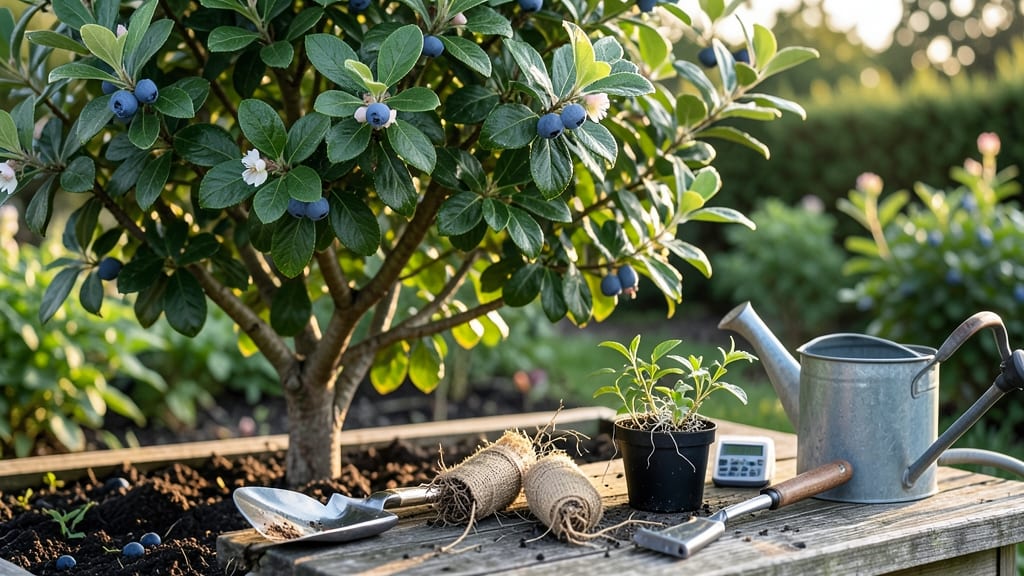
Planting blueberries in Zone 9 might seem tricky at first glance, but timing is the key to unlocking sweet, homegrown harvests. Unlike cooler climates, Zone 9's warm winters mean you need to strategically choose when to plant these 🫐 shrubs to ensure they get enough "chill hours" for fruit production.
Most gardeners in Southern California or Phoenix assume spring is the best time, but that’s actually when your blueberries could struggle with summer heat stress. The ideal window runs from late fall to early spring—specifically November through February—when cooler temperatures help roots establish before the heat ramps up.
Why does this matter? Because blueberries need a specific range of chill hours (typically 300–600) to set fruit, and planting at the wrong time could leave you with sparse harvests or no berries at all.
I’ll break down the exact months to plant, which varieties work best in your region, and how to adjust for microclimates like desert heat or coastal breezes.
Ready to grow thriving blueberry bushes that produce year after year? Let’s dive into the most efficient planting schedule tailored just for Zone 9’s unique growing conditions.
Best planting months for blueberries in Zone 9 based on chill hours
Zone 9’s warm winters make blueberry planting a delicate balance. Unlike colder zones, chill hours (300–600) are critical—too few, and your bushes won’t fruit. The ideal window is late fall to early spring, when temps dip below 60°F (15°C) for 6–8 weeks.
Most blueberry varieties need 400+ chill hours, but Zone 9’s mild winters often fall short. That’s why fall planting (November–December) gives roots time to establish before summer heat stress hits. Spring planting (February–March) is riskier but works if you choose low-chill varieties.
Here’s the Zone 9 chill-hour challenge: Coastal areas (e.g., San Diego) get 200–400 hours, while inland deserts (e.g., Phoenix) may hit 500–700 hours. Adjust your planting timeline based on your microclimate—coastal gardeners should plant earlier (Nov–Dec) to maximize chill exposure.
🌱
Zone 9 Blueberry Planting Timeline by Chill Hours
| Planting Window | Chill Hours Needed | Best Varieties | Microclimate Notes |
|---|---|---|---|
| Late Fall (Nov–Dec) | 400–600 | Emerald, O’Neal, Misty | Inland deserts (e.g., Phoenix) |
| Winter (Jan–Feb) | 300–400 | Centennial, Top Hat | Coastal areas (e.g., San Diego) |
| Early Spring (Feb–Mar) | 200–300 | Jubilee, Sunshine Blue | Urban heat islands (e.g., LA) |
💡 Pro Tip: Use mulch (pine needles) to extend chill hours by 50–100 hours.
If you’re in a low-chill area (under 300 hours), opt for southern-highbush varieties like ‘Jubilee’ (200–300 hours) or ‘Sunshine Blue’ (150–250 hours). These thrive in Zone 9b’s mild winters but may produce smaller yields.
For larger harvests, consider artificial chill methods, like storing potted bushes in a garage at 35–45°F (2–7°C) for 4–6 weeks before planting.
Another Zone 9-specific trick: Plant blueberries in containers and move them to shaded areas during summer’s peak heat (June–August). This mimics the cooler, moister conditions they crave. Just ensure pots have drainage holes and use acidic potting mix (pH 4.5–5.5).
Timing isn’t just about months—it’s about temperature cues. Wait until soil temps drop below 70°F (21°C) to plant. Use a soil thermometer to track this, especially in urban areas where pavement raises ground temps. Overheated roots stress young plants, slowing establishment.
For container growers, the best planting window shifts to late winter (February).
Containers heat up faster, so avoid planting in March or later unless you’re using shade cloth (30–50%) to protect roots. Dwarf varieties (3–5 ft) like ‘Top Hat’ are ideal for pots—they adapt better to Zone 9’s heat fluctuations.
🌿
Don’t forget post-planting care! After planting, water deeply (1–2 gallons) to settle soil and encourage root spread. In Zone 9’s dry spells (April–May), mulch with wood chips or pine straw to retain moisture.
Avoid nitrogen-heavy fertilizers in the first year—they promote leafy growth at the expense of root development, which is critical for summer survival.
🪴
Best planting months for blueberries in Zone 9 based on chill hours
Zone 9’s warm winters make blueberry planting tricky—most varieties need 300–600 chill hours to set fruit. But with the right timing, you can still grow thriving bushes. The best planting window is late fall to early spring (November–February), when temperatures are cooler and soil is workable.
Planting in December or January gives roots time to establish before summer heat arrives. Avoid spring planting (March–April) unless you’re in a cooler microclimate, like higher elevations or coastal areas where chill hours are naturally extended.
Here’s how to match your blueberry variety to Zone 9’s chill-hour reality:
| Planting Window | Chill-Hour Range | Best Varieties | Microclimate Notes |
|---|---|---|---|
| Late Fall (Nov) | 300–400 hrs | 'Misty,' 'O'Neal' | Coastal areas |
| Winter (Dec–Jan) | 400–600 hrs | 'Emerald,' 'Duke' | Inland deserts |
| Early Spring (Feb) | 200–300 hrs | 'Top Hat' (dwarf) | High elevation |
If your microclimate has fewer than 300 chill hours, opt for low-chill varieties like 'Misty' (250–300 hrs) or use artificial chill methods, such as refrigerating potted plants for 4–6 weeks in winter.
For coastal Zone 9 (e.g., Southern California), plant in November to capitalize on mild winters. Inland areas (e.g., Phoenix) should aim for December–January to avoid summer heat stress.
After planting, mulch with pine needles or peat moss to retain moisture and acidify the soil—critical for blueberry health in hot climates. 🌱