
Plants
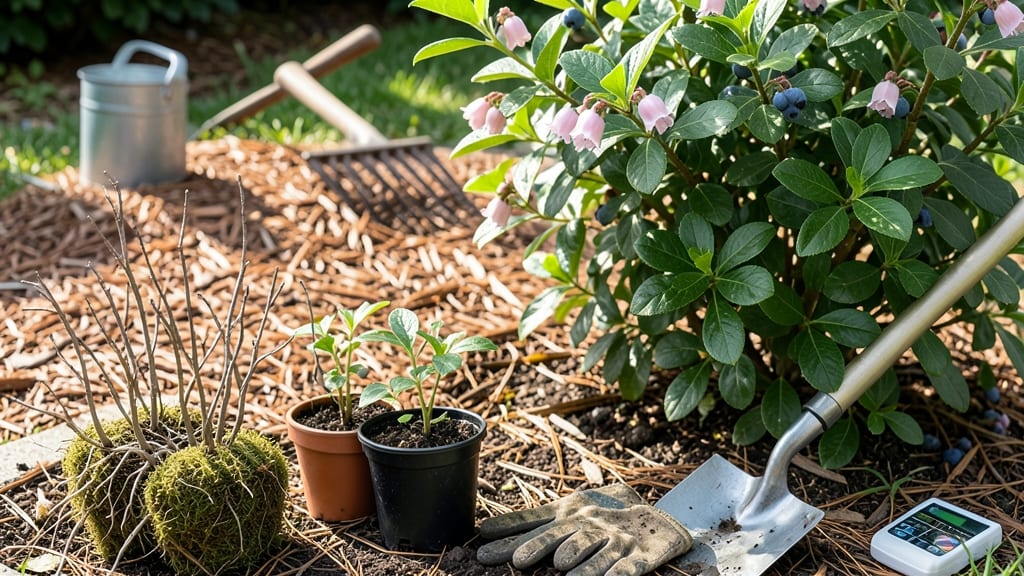
Timing your blueberry planting in Kentucky isn’t just about the calendar—it’s about matching your plants to the 600-800 chill hours this region demands. Skip the wrong window, and you’ll end up with shrubs that struggle to fruit, no matter how much care you give them.
But nail the schedule, and you’re setting the stage for a bountiful harvest in just a few years.
Most Kentucky gardeners assume spring is the only option, but the truth is, fall planting often gives blueberries a head start. Why? Because those cool autumn temperatures help roots establish before winter’s chill sets in.
I’ll walk you through the exact months that work best for your Zone 6a-7a climate—and why late September or early October might be your secret weapon.
You’ll also discover how to prep your soil for these acid-loving plants, whether you’re planting in-ground or containers. And since Kentucky’s weather can be unpredictable, I’ll share pro tips to protect your 🫐 bushes from late frosts or deer raids. Let’s get those blueberries thriving the right way.
Ready to turn your backyard into a berry patch? The key is starting now—so you’re not scrambling when the July harvest rolls around. I’ll break it all down step by step, from variety selection to post-planting care, so you can enjoy sweet, homegrown blueberries for years to come.
Best planting months for blueberries in Kentucky’s Zone 6a
Kentucky’s Zone 6a climate creates a unique window for planting blueberries—one that balances chill hours and soil warmth. Unlike warmer zones, we can’t plant too early or too late without risking frost damage or poor root establishment.
The sweet spot? Late fall (September–October) or early spring (March–April), when soil temperatures hover between 40–60°F.
Fall planting gives blueberry bushes a head start on root growth before winter dormancy, while spring planting avoids early frost risks. Microclimates in Kentucky—like sheltered valleys or urban heat islands—can shift ideal timing by 2–4 weeks.
Always check your last frost date (typically March 15) to avoid planting too soon.
Here’s why timing matters: Blueberries need 600–800 chill hours (below 45°F) to produce fruit. Planting in late fall ensures they get these hours naturally, while spring planting requires careful monitoring of soil temperatures to prevent early stress.
For container-grown blueberries, you have flexibility. Containers warm up faster in spring, so you can plant 2–4 weeks earlier than in-ground plants. However, in-ground planting offers better moisture retention and root stability, which is critical for Kentucky’s humid summers.
| Planting Window | Best Months | Soil Temp | Chill Hours | Pros | Cons |
|---|---|---|---|---|---|
| Fall Planting | September–October | 40–60°F | 600–800 hrs | Established roots before winter | Limited time to prep soil |
| Spring Planting | March–April | 50–70°F | 600–800 hrs (natural) | More time for soil prep | Risk of late frost |
| Container Planting | April–May | 55–75°F | 600+ hrs (if moved) | Flexible timing | Limited root space |
Soil preparation is non-negotiable in Kentucky’s clay-heavy soils. Blueberries thrive in acidic soil (pH 4.5–5.5), so test your soil 4–6 weeks before planting. If your soil is alkaline, amend it with sulfur or peat moss. Drainage is equally critical—blueberries hate soggy roots.
When planting, dig a hole twice as wide as the root ball but only as deep. This encourages outward root growth. Mix the native soil with compost and a high-acid fertilizer before backfilling. Water deeply after planting to eliminate air pockets and reduce transplant shock.
Mulching with pine straw or wood chips (2–3 inches thick) helps retain moisture and regulate soil temperature. Avoid mulching too close to the stem to prevent rot. In Kentucky’s humid summers, mulch also deters weeds, which compete for nutrients.
After planting, monitor for deer browsing (common in Kentucky) and late-spring freezes. Young bushes are vulnerable, so consider frost cloth if frost is forecasted in April. With the right timing and care, your blueberries will reward you with years of harvests.
Remember: Patience is key. Blueberries take 2–3 years to bear fruit, but once established, they’ll thrive in Kentucky’s climate with minimal fuss. Start your soil prep now, and you’ll be ready to plant at the perfect moment!
How to match blueberry varieties to Kentucky’s chill hours
Kentucky’s Zone 6a climate delivers 600-800 chill hours annually—critical for blueberries, which need these cold periods to break dormancy and produce fruit. Choosing the wrong variety can mean no berries, even with perfect planting timing.
For example, ‘Duke’ thrives with 400-600 chill hours, while ‘Premier’ demands 700-900 chill hours, making it riskier in northern KY counties.
Most Kentucky gardeners should focus on southern highbush varieties like ‘Tifblue’ or ‘Climax’, which handle 500-700 chill hours perfectly. These varieties also ripen earlier, avoiding late-spring frosts that can damage flowers.
If you’re in Zone 6b (like parts of northern KY), consider ‘Bluecrop’ for its 800+ chill hour tolerance.
Here’s how to match varieties to your specific microclimate. Check your last frost date—most of KY falls between March 15-25. If your area gets fewer than 650 chill hours, avoid northern varieties like ‘Jersey’, which need 900+ chill hours.
Instead, opt for heat-tolerant southern types that produce well even with warmer winters.
| Variety | Chill Hours Needed | Best For Kentucky | Ripening Time |
|---|---|---|---|
| Tifblue | 500-700 | Zone 6a-8a | Early |
| Duke | 400-600 | Warmer microclimates | Mid-season |
| Premier | 700-900 | Northern KY (Zone 6b) | Late |
| Bluecrop | 800+ | High-elevation areas | Mid-late |
| Climax | 500-700 | General Zone 6a | Mid-season |
For container gardening in KY, dwarf varieties like ‘Top Hat’ (400-600 chill hours) work well, but they still need full sun and acidic soil. If you’re unsure about your chill hours, check your local Cooperative Extension Service records or use a chill hour calculator with your area’s winter temps.
Even a 100-chill-hour difference can mean the difference between a full harvest and no fruit.
Pro tip: Plant multiple varieties with staggered ripening times (early, mid, late) to extend your harvest season from June to August. For example, pair ‘Tifblue’ (early) with ‘Climax’ (mid-season) for a continuous berry supply. Just ensure they’re all cross-compatible—some varieties pollinate better with specific partners.
Finally, watch for late-spring frosts (common in KY’s Zone 6a until May 1). Early-ripening varieties like ‘Duke’ are less risky, but protect all blooms with frost cloth if temperatures dip below 28°F. With the right variety match, you’ll turn Kentucky’s chill into sweet, juicy blueberries every summer.