
Plants
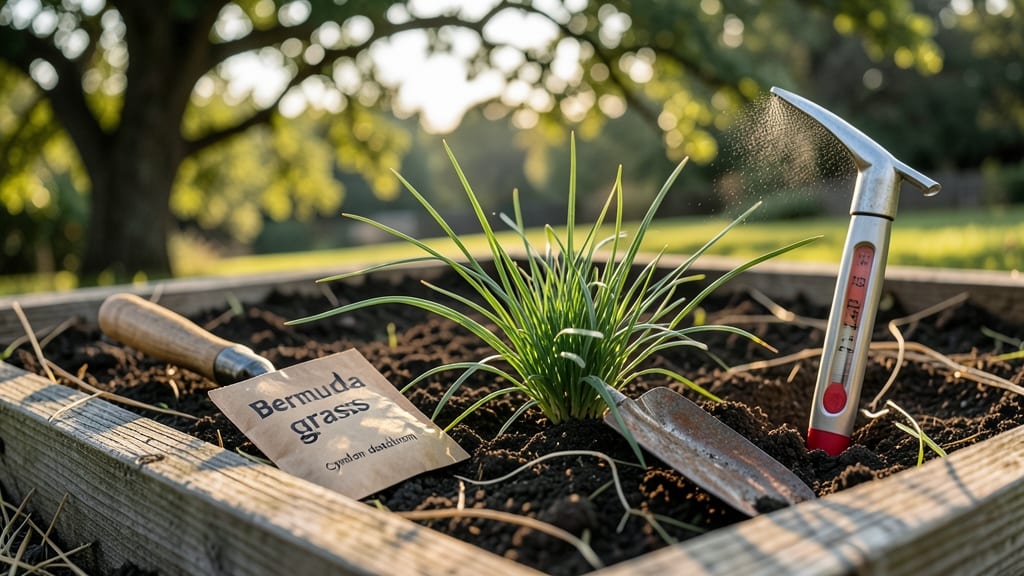
Timing your Bermuda Grass seed planting in Oklahoma could mean the difference between a lush, heat-resistant lawn and a patchy disappointment.
With Oklahoma’s 6b-8a climate zones, getting the window right—between late spring and early summer—isn’t just about following a calendar; it’s about working with your soil’s temperature and the grass’s natural resilience.
Plant too early, and your seed may rot in cool, damp soil before it even sprouts. Too late, and the scorching summer heat can stress young roots before they’ve had a chance to establish.
The key lies in waiting until soil temperatures hit that sweet spot of 65°F or higher, typically around April to May for most of the state.
But here’s the thing: Oklahoma’s unpredictable weather throws a wrench into even the best-laid plans.
Whether you’re in the cooler northern zones or the hotter southern regions, understanding how to adjust for frost risks, drought conditions, and sudden heatwaves will give your Bermuda grass the fighting chance it needs to thrive.
In this guide, I’ll walk you through the exact planting schedule tailored to Oklahoma’s climate, plus pro tips to ensure your lawn not only survives but dominates the summer heat. Let’s get your 🌱 Bermuda Grass off to the best possible start.
Best planting window for Bermuda seed in Oklahoma’s climate zones
Oklahoma’s diverse climate zones (USDA 6b-8a) create unique challenges for Bermuda grass seed germination. The ideal window spans mid-April to early June, but southern Oklahoma can extend this to late May due to warmer soil temperatures.
Planting too early risks late frost damage, while waiting too long may delay establishment before summer heat sets in.
Bermuda seed needs soil temperatures between 50-70°F to germinate, but roots establish best when soil stays above 65°F consistently. In northern Oklahoma (USDA 6b), aim for mid-May planting to avoid frost risks, while southern Oklahoma (USDA 8a) can start as early as late April when soil warms.
A late-summer alternative exists for Oklahoma gardeners: late August planting allows roots to establish before winter dormancy. This method works best in southern Oklahoma where frost arrives later, but northern regions should avoid this due to limited growing days before cold weather.
Here’s how Oklahoma’s microclimates affect timing:
| Climate Zone | USDA Zone | Best Planting Window | Soil Temp Threshold | Key Risk |
|---|---|---|---|---|
| Northern Oklahoma | 6b | Mid-May to early June | 65-70°F (consistent) | Late spring frost |
| Central Oklahoma | 7a-7b | Late April to mid-May | 60-65°F (minimum) | Unpredictable rain delays |
| Southern Oklahoma | 8a | Late April to late May | 55-60°F (minimum) | Summer drought stress |
| All Regions (Late Season) | 6b-8a | Late August (southern OK only) | 70-75°F (minimum) | Limited root establishment |
🌡️ Pro Tip: Use a soil thermometer to confirm temperatures before planting.
Oklahoma’s unpredictable weather patterns demand flexibility. If late spring rains delay planting, consider starter fertilizer to jumpstart germination once soil conditions improve. Conversely, early summer heatwaves can stress young seedlings, so shade cloth may be necessary during establishment.
For fastest results, plant Bermuda seed when daytime highs reach 80°F consistently. This typically occurs in early June across most of Oklahoma, giving roots 6-8 weeks to establish before peak summer heat arrives. Southern regions can push this to late May with minimal risk.
One common mistake Oklahoma gardeners make is planting too early in hopes of a longer growing season. Bermuda seed planted in March often rot in cold, wet soil or get burned by early heat. Always wait until soil temperatures stabilize above 60°F for at least 5 consecutive days.
Northern Oklahoma’s shorter growing season requires earlier preparation. Start soil amendments in February and use warm-season cover crops like clover to protect soil until planting. Southern Oklahoma can afford to plant up to 2 weeks later due to warmer microclimates near cities like Tulsa or Oklahoma City.
To maximize success, monitor local weather forecasts for 10-day outlooks before planting. Aim for stable, warm conditions with minimal rain in the first 2 weeks after sowing. If heavy rains are forecasted, delay planting by 1-2 weeks to avoid seed washout.
Remember: Bermuda grass thrives on heat, but young seedlings need protection. Once established, it becomes one of Oklahoma’s most drought-resistant grasses, but proper timing is the foundation for a thick, green lawn that survives 100°F+ summers.
Best planting window for Bermuda seed in Oklahoma’s climate zones
Oklahoma’s USDA zones 6b-8a create two distinct planting realities for Bermuda grass. In the northern regions (like Tulsa or Norman), cooler springs mean you’ll need to wait until mid-April to early May when soil temperatures consistently hit 65°F+.
Meanwhile, southern Oklahoma (Oklahoma City to Lawton) can start as early as late March—but only if your soil warms up fast.
Here’s the catch: Bermuda grass seed won’t germinate below 50°F, but it also struggles above 90°F during establishment. Planting in late May or June risks heat stress, while early April plantings in northern zones may face late frost threats.
The sweet spot? April 15 to May 15 for most of the state, with southern areas leaning toward late March to early April.
🌱 Pro Tip: Use a soil thermometer to confirm readiness—Bermuda seed needs 65-75°F soil temps for optimal germination. If your soil is cooler, wait; if it’s hotter, plant early and water deeply twice daily to protect young seedlings.
For late-summer plantings (August), focus on southern Oklahoma where heat is less extreme. Northern regions should avoid this window entirely—Bermuda grass goes dormant in fall, and late plantings won’t establish before frost.
If you’re in zone 8a, August can work if you irrigate aggressively and use shade cloth for the first 3 weeks.
🌡️ Watch For: Oklahoma’s flash droughts in late spring. If your area gets less than 1 inch of rain per week, delay planting until after May 1 to avoid seed desiccation. Always check the National Weather Service for your local 7-day forecast before planting.
Finally, if you’re overseeding existing Bermuda, time it for late August to early September—this lets new seed establish before winter dormancy. But for new lawns, stick to the spring window for the best chance at a thick, heat-resistant turf by summer.