
Plants
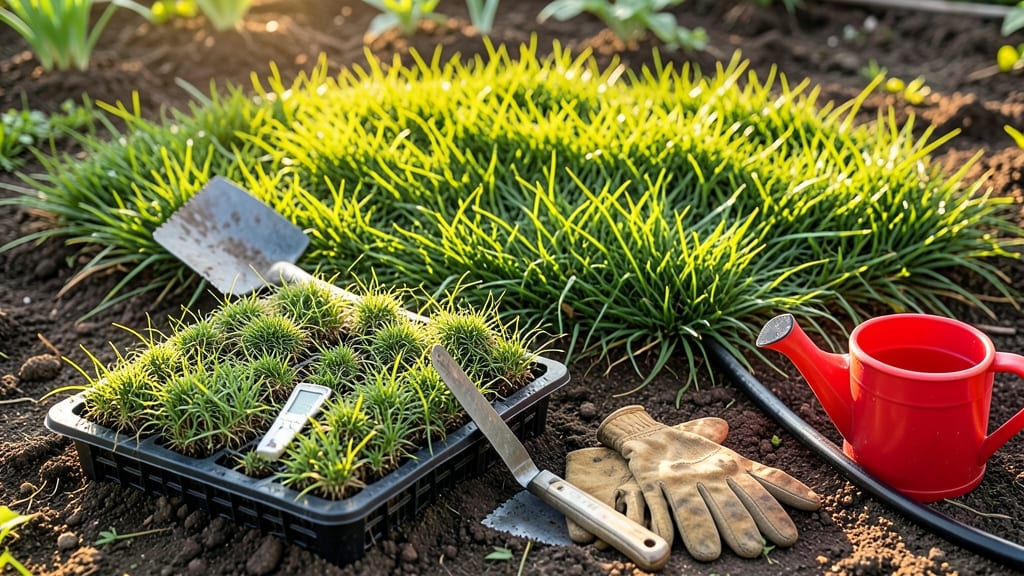
Planting Bermuda grass 🌱 in Oklahoma isn’t just about dropping seeds—it’s about catching the perfect window when your lawn can take off like a rocket. Skip the timing, and you’ll end up with weak roots or a lawn that fights you every step of the way.
Here’s the deal: Bermuda grass loves heat, but it needs warm soil to germinate fast. Too early, and cool temperatures slow it down; too late, and summer’s brutal sun can stress young sprouts.
We’re talking late April to mid-May for the best shot at a thick, drought-resistant lawn that survives Oklahoma’s sweltering summers.
But why does this matter to you? Because a fast start means fewer weeds, less water waste, and a lawn that fills in before the heat peaks. I’ll show you exactly how to time it right—plus the soil prep and care tricks that make all the difference in 6a-8a zones.
Ready to transform your yard into a lush, low-maintenance oasis? Let’s dive into the secrets of planting Bermuda grass when it counts most.
Best planting months for Bermuda grass in Oklahoma (and why timing matters)
Oklahoma’s hot summers and variable springs create a unique challenge for planting Bermuda grass. Unlike cool-season grasses, Bermuda thrives when soil temperatures stay above 65°F (18°C)—so timing your planting window is critical for strong root development and drought resistance.
In Oklahoma’s USDA zones 6a-8a, the ideal planting window is late April to mid-May for spring planting and mid-July to early August for late-summer planting. These periods align with when soil warms consistently, giving seeds or sod the best chance to establish before summer’s peak heat.
Planting too early—before March 15—risks cool soil and fungal diseases like Pythium, which thrive in damp, chilly conditions. Conversely, waiting until June or later may leave your lawn vulnerable to summer heat stress before roots take hold.
Oklahoma’s microclimates (e.g., panhandle vs. southeast) also shift optimal timing. In warmer southern Oklahoma (zones 7a-8a), you can start as early as late March, while northern Oklahoma (zone 6a) may need to wait until mid-May to avoid frost risks.
| Planting Window | Soil Temp Requirement | Oklahoma Zone Fit | Key Risk |
|---|---|---|---|
| Late April–Mid-May | 65°F+ (18°C) | 6a–8a (statewide) | Fungal diseases if too early |
| Mid-July–Early August | 70°F+ (21°C) | 7a–8a (southern OK) | Heat stress if planted late |
| Early Spring (March) | 55°F+ (13°C) | 7a–8a only | Slow germination in cool soil |
| Late Summer (August–Sept) | 60°F+ (16°C) | 6a–7a (northern OK) | Weed competition increases |
For sod installation, the window is slightly wider—late April to early June—since established sod can handle heat better than seeds. However, avoid planting sod in peak summer (June–July), as it struggles to root in extreme heat without frequent, deep watering.
Check your local Oklahoma Mesonet station for real-time soil temps. Aim for consistent 65°F+ readings at 4-inch depth before planting. A soil thermometer (available at garden centers for ~$10) is your best tool for precision timing.
Pro tip: If you’re seeding, use a starter fertilizer with high phosphorus (P) (e.g., 10-20-10) to boost early root growth. For sod, focus on watering deeply 2–3 times weekly for the first 4 weeks to encourage root spread into the soil.
Timing isn’t just about months—it’s about soil warmth, rainfall patterns, and local microclimates. In Oklahoma, patience pays off: rushing too early can leave your lawn struggling, while waiting too long risks summer’s brutal heat.
Get it right, and you’ll have a dense, drought-resistant lawn by late summer. 🌱
Best planting months for Bermuda grass in Oklahoma (and why timing matters)
Oklahoma’s USDA zones 6a-8a create a unique challenge for Bermuda grass planting—too early, and cool soil stalls germination; too late, and summer heat stresses young plants. The sweet spot is late April to mid-May, when soil temperatures consistently hit 65°F (18°C) and rainfall patterns support establishment.
For sod installation, you can extend the window slightly into June, but seeds need that warm soil to sprout efficiently.
I’ve seen homeowners in zone 8a plant as early as March, but only with soil warming mats—a risk most gardeners avoid unless they’re committed to the extra effort.
Late summer (July-August) is your second chance for seeding, capitalizing on fall rains to help roots establish before winter dormancy. This method works best in northern Oklahoma (zones 6a-7a), where summers are hotter but fall cools quickly.
⚠️ Critical Warning: Planting before April 15 risks fungal diseases like brown patch, while seeding after June 15 often results in poor germination due to heat stress. Always check your local Oklahoma Mesonet for real-time soil temps.
🌱 Oklahoma Bermuda Grass Planting Timeline
| Month | Soil Temp | Best Method | Risk Level |
|---|---|---|---|
| March | 50-60°F | Sod only (with warming) | High (fungal risk) |
| April | 60-70°F | Seeding or sod | Moderate |
| May | 70-80°F | Seeding (optimal) | Low |
| July-August | 85-95°F | Seeding (fall prep) | Moderate (heat stress) |
💡 Pro Tip: Use a soil thermometer to confirm temps before planting—65°F+ is non-negotiable for seeds.
Microclimates matter in Oklahoma. Western counties like El Reno can plant 2 weeks earlier than eastern areas like Tulsa due to faster soil warming. Always adjust your schedule based on your specific last frost date and local weather patterns.
After planting, consistent watering (1-1.5 inches weekly) is critical for the first 4-6 weeks to encourage deep root growth. Skipping this step leads to shallow roots that struggle in Oklahoma’s summer droughts.
I’ve had neighbors swear by drip irrigation systems for this exact reason—it keeps moisture even and stress-free.
Timing your Bermuda grass planting right isn’t just about the calendar—it’s about reading your soil and respecting Oklahoma’s climate quirks. With the right approach, you’ll have a dense, drought-resistant lawn that outshines neighbors who planted at the wrong time. 🌿