
Plants
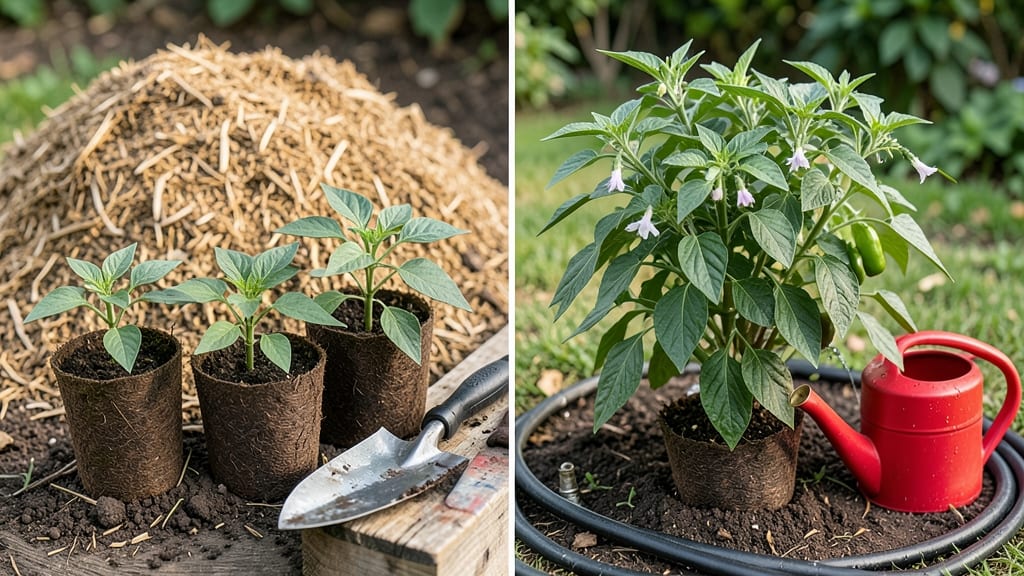
Best planting windows for bell peppers in Arizona’s climate zones
Arizona’s desert climate means bell peppers thrive in cool-season windows when temperatures stay below 90°F. Plant too early, and cold snaps damage seedlings; too late, and summer’s scorching heat turns plants into crispy snacks.
The key? Timing your plantings to align with Arizona’s microclimates—from Phoenix’s intense heat to Flagstaff’s cooler highlands.
Most Arizona gardeners succeed with two planting windows: late winter (ideal) and early fall (second chance). January through March is prime for direct sowing or transplants, while September-October offers a fall harvest before winter arrives.
Your USDA Zone (9b) and local elevation play huge roles—so let’s break it down by region.
| Region | Best Planting Window | Soil Temp Goal | Harvest Window | Key Tip |
|---|---|---|---|---|
| Phoenix/Tucson (Low Desert) | Late Jan–Early Mar | 60–65°F | May–July | Use black plastic mulch to warm soil faster. |
| Yuma (Imperial Valley) | Mid-Dec–Early Feb | 65–70°F | March–May | Irrigation scheduling critical—avoid overwatering. |
| Flagstaff/Sedona (High Desert) | Early Apr–Mid May | 55–60°F | July–Sept | Start indoors 8–10 weeks before last frost. |
| All Regions (Fall Option) | Late Aug–Early Oct | 60–65°F | Oct–Dec | Use shade cloth (30%) to protect young plants. |
For Phoenix and Tucson, aim for soil temperatures of 60–65°F—use a soil thermometer to confirm. Yuma’s warmer winters let you start earlier, but Flagstaff’s cooler highlands delay planting until April. Pro tip: Seedlings take 60–75 days to mature, so calculate backward from your first expected 90°F+ heatwave.
If you miss the spring window, don’t despair—fall plantings work too! Late August to early October gives peppers time to mature before winter cools down. Just watch for early frosts (rare but possible in high deserts) and protect plants with row covers if needed.
Arizona’s microclimates create huge variations—even within cities. For example, Scottsdale’s urban heat islands stay warmer than Carefree’s higher elevations. Test your soil and observe your yard’s heat patterns before committing to a planting date. A weekly check of local weather forecasts for heat advisories will save your peppers from wilting.
For container gardeners, warm soil faster by placing pots on black plastic sheets or using self-heating seedling mats. Containers also let you move plants to shadier spots during afternoon heat spikes. Dwarf varieties like ‘Lunchbox’ or ‘Jalapeño M’ are perfect for pots and thrive in Arizona’s climate.
Remember: Bell peppers hate heat stress. If daytime temps hit 95°F+, even established plants suffer. Shade cloth (30–50%) during peak summer months can mean the difference between juicy harvests and bitter, deformed peppers. Plan your planting window to avoid this pitfall entirely.
Finally, succession planting every 2–3 weeks in spring ensures a continuous harvest. Stagger your plantings so that as early peppers mature, new plants take their place—keeping your kitchen stocked all season long.
Timing is everything in Arizona’s garden. Get it right, and you’ll enjoy homegrown bell peppers from May through October—no grocery store in sight! 🌶️
How to stretch the growing season: cool-season tricks for Arizona gardeners
Arizona’s 100°F+ summers make growing bell peppers a challenge—but with the right tricks, you can extend the safe planting window and enjoy harvests well into fall. The key is cooling your plants while keeping roots warm. Here’s how I do it in my Phoenix garden.
First, start seeds indoors 8–10 weeks before your last frost date (even if frost isn’t a threat). Use grow lights or a sunny windowsill to give seedlings a head start. Harden them off for 1–2 weeks before transplanting to avoid shock when temperatures dip.
🌱
- 1. Use black plastic mulch to warm soil 10–15°F faster than bare ground. Lay it 2–3 weeks before planting to create a microclimate.
- 2. Install shade cloth (30–50%) over plants when temps hit 95°F+. Remove it by late afternoon to prevent fungal issues.
- 3. Mulch heavily with straw or wood chips to retain moisture and keep roots cool. Aim for 3–4 inches of mulch.
- 4. Plant in raised beds filled with moisture-retentive soil. They warm up faster in spring and drain excess water in monsoon season.
- 5. Try succession planting: Sow new seeds every 2–3 weeks from January–March for a staggered harvest through summer.
For fall plantings, focus on late August–early September when daytime highs drop below 90°F. Choose heat-tolerant varieties like ‘NuMex Heritage’ or ‘Big Jim’—they handle Arizona’s intense sun better than standard types. Pair them with drip irrigation to deliver water directly to roots and reduce evaporation.
Don’t forget to test your soil before planting! Arizona’s alkaline soil can lock out nutrients. Amend with compost or peat moss to lower pH to 6.0–6.8, the sweet spot for bell peppers. A simple soil test kit (available at garden centers) makes this easy.
With these tricks, I’ve harvested bell peppers in Arizona as late as October—just in time for homemade salsa and grilling. The secret? Patience and preparation pay off in flavor-packed peppers when others are giving up.
☀️