
Plants
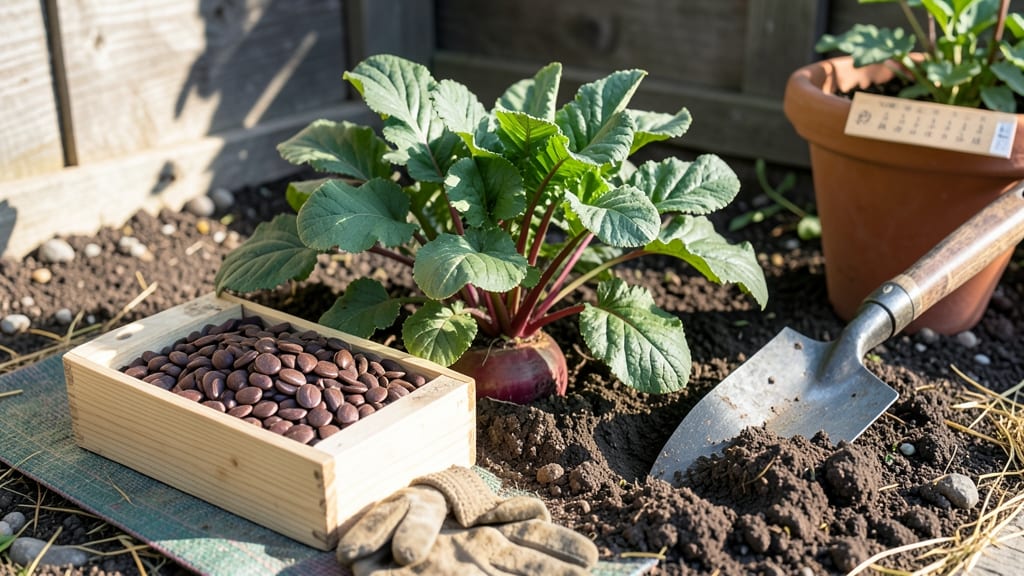
Timing your beet planting in Kentucky isn't just about the calendar—it's about soil temperature, frost dates, and knowing when those 🍠 roots will thrive (or bolt into bitter greens).
With USDA zones 6a-7b bringing both unpredictable springs and humid summers, getting the window right means the difference between a harvest of tender, sweet roots and a sad, scraggly mess.
Most gardeners in Kentucky swear by two planting windows: early spring (March 15–April 30) when soil warms to 40°F–50°F, and fall (August 15–September 30) when temperatures dip toward 60°F–70°F.
But here's the catch—planting too early risks frost damage, while waiting too long can trigger bolting before you even get a harvest. I'll break down the exact soil temps to aim for, plus how Kentucky's microclimates (think Bluegrass vs. Cumberland Plateau) can shift your timeline by weeks.
What if you miss the first window? No problem. Fall planting offers a second chance, but you'll need to time it so your beets mature before the first frost hits around October 15.
I'll show you how to use the 7-week rule to guarantee a harvest before winter sets in—plus the one trick to avoid the clay-soil struggles that plague Kentucky gardens.
Ready to grow beets that actually taste like beets? Let's dive into the exact planting schedule, soil prep secrets, and how to outsmart Kentucky's quirks for a bumper crop—whether you're a beginner or a seasoned gardener looking to level up your 🍠 game.
Best soil temperature ranges for planting beets in Kentucky
Getting your beet seeds in the ground at the right soil temperature is the difference between a lush harvest and wasted effort. In Kentucky’s USDA zones 6a-7b, beets thrive when soil temps range between 40°F and 85°F.
Below 40°F, seeds may rot; above 85°F, they bolt prematurely. Let’s break down the ideal planting windows for your region’s unique microclimates.
The Bluegrass Region (including Louisville and Lexington) typically warms up faster than the Cumberland Plateau (Eastern Kentucky). This means your planting window could shift by 2-3 weeks depending on elevation. Always check your local last frost date—Kentucky’s average is April 15, but microclimates can vary widely.
To test soil temperature accurately, use a soil thermometer buried 2 inches deep. Aim for 50°F+ for spring planting and 60°F-70°F for fall. Morning tests are best—soil cools overnight, giving you a conservative estimate.
If your soil is too cold, wait or use a row cover to warm it faster.
| Season | Ideal Soil Temp | Kentucky Window | Notes |
|---|---|---|---|
| Spring | 45°F–65°F | March 15–April 30 | Start early with cold-hardy varieties like Detroit Dark Red. |
| Fall | 60°F–75°F | August 15–September 30 | Aim for a 7-week harvest before first frost. |
| Microclimates | Varies | Bluegrass: +2 weeks earlier Cumberland: +2 weeks later |
Use row covers to extend seasons in cooler areas. |
For spring planting, focus on cold-tolerant varieties like Golden or Chioggia beets. These handle light frosts and grow well in 45°F–55°F soil. In contrast, fall plantings should prioritize heat-tolerant types like Bull’s Blood, which handle 75°F–85°F better and mature faster before winter.
Kentucky’s humid summers can stress beets if soil stays too warm. If temps creep above 85°F, provide afternoon shade with a shade cloth (30–50% coverage) to prevent bolting. Mulch with straw or grass clippings to keep roots cool and moisture consistent.
One of my biggest mistakes early on was planting beets too early in February—they rotted in the cold, wet soil. Now, I wait until soil hits 50°F consistently.
For fall plantings, I aim to finish harvesting by October 15 to avoid winter damage, even if it means a shorter season.
Pro tip: Use a soil thermometer for 3–5 days to confirm trends. If mornings are 55°F but afternoons hit 70°F, your soil is ready. Pair this with a moisture meter—beets need consistent moisture but hate soggy soil.
For container gardening in Kentucky, soil warms faster in pots. Plant 2–3 weeks earlier than in-ground beets, but monitor soil temps closely. Pots dry out quicker too, so water daily during heatwaves to prevent stress.
Remember: Soil temperature > air temperature for planting decisions. Even if the air is warm, cold soil will delay germination. When in doubt, wait a week—your beets will thank you with sweeter, more tender roots!
Spring vs. fall planting: Kentucky-specific success timeline
Kentucky’s humid summers and variable frost dates make timing critical for beets. While both spring and fall planting work, each season demands a different approach to avoid bolting or pest pressure. Let’s break down the optimal windows and what to watch for in each.
Spring planting in Kentucky typically starts March 15 and ends by April 30, aligning with soil temperatures rising above 40°F. This window ensures seedlings emerge before late spring frosts (common until April 15 in most regions).
For fall, aim to plant between August 15 and September 30—this gives roots 7 weeks to mature before first frost (usually October 15).
Here’s how Kentucky’s microclimates affect timing: In the Bluegrass Region, spring planting can start slightly earlier (late February in mild years), while the Cumberland Plateau may need to wait until early April due to cooler soils.
Fall planting in western Kentucky often extends into early October, thanks to later frost dates.
| Factor | Spring Planting (March–April) | Fall Planting (August–September) |
|---|---|---|
| Soil Temp | 40°F–60°F | 50°F–70°F |
| Frost Risk | Late frosts (April 15) | First frost (Oct 15) |
| Pest Pressure | Leaf miners (early) | Root maggots (late) |
| Soil Prep | Add compost for warmth | Loosen clay-heavy soils |
| Harvest Window | June–July | October–November |
For spring planting, focus on cold-hardy varieties like Detroit Dark Red or Golden. These tolerate light frosts and grow quickly in Kentucky’s 60°F+ soils. In contrast, fall beets (like Chioggia) thrive in cooler 60°F–70°F conditions and benefit from succession planting every 2–3 weeks for continuous harvests.
Kentucky’s humidity can stress beets, so mulch heavily in summer to retain moisture and prevent bolting. In fall, avoid planting too late—beets need 60+ days to mature before frost. Use row covers in early fall to extend the season if needed.
Pro tip: Mark your calendar for May 15 and September 15—these are the last safe dates for spring and fall planting in most of Kentucky. Adjust for your local microclimate by checking USDA Zone 6a–7b frost maps.