
Plants
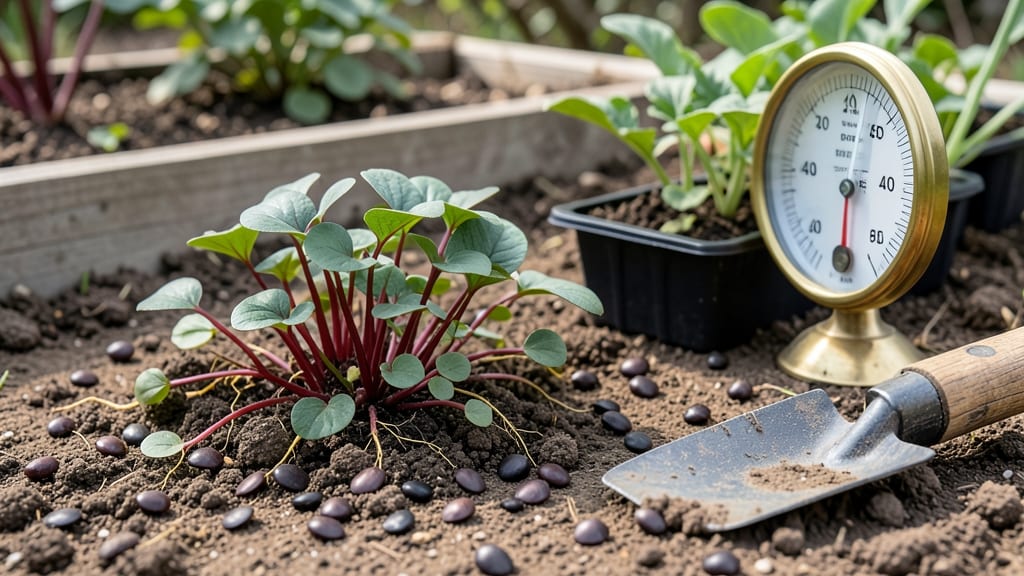
Planting beets at the wrong time in Zone 5b can turn your sweet, tender 🍠 harvest into bitter, woody disappointment—but getting the timing right is easier than you think. The key lies in understanding your region’s frost dates and soil temperatures, which directly impact whether your beets bolt or thrive.
For most gardeners in Zone 5b, the ideal window is early spring (March-April) or late summer (July-August), but there’s a science behind these months. Plant too early, and cold soil slows germination; too late, and summer heat triggers bolting before you get those perfect, glossy roots.
I’ve grown beets for years in this zone, and I’ll show you exactly how to align your planting schedule with nature’s cues—so you can enjoy fresh, sweet harvests from June through October. Whether you’re a beginner or a seasoned gardener, these timing tricks will make all the difference.
From succession planting to avoiding common mistakes, you’ll learn how to stretch your harvest season and keep your beets delicious every time. Let’s dive into the perfect planting strategy for your Zone 5b garden.
Best spring planting times for beets in Zone 5B (avoiding bolting and heat stress)
In Zone 5B, timing your beet planting is everything—especially in spring. The key is to sow seeds when soil temperatures reach 40°F (4°C) but before daytime highs exceed 75°F (24°C). This window prevents bolting (premature flowering) and ensures tender, sweet roots.
For most of Zone 5B, this means starting in late March to early April, but exact dates depend on your last frost date.
Beets are cold-hardy and can tolerate light frosts, but they hate heat. Planting too early risks slow germination in cold soil, while planting too late leads to woody roots and bolting as summer approaches. Aim for a 60-70 day harvest window before temperatures consistently hit 80°F (27°C).
Here’s my 3-step spring planting timeline for Zone 5B:
-
Step 1: Soil Prep (Late February - Early March)
Test soil pH (6.0-7.0 ideal) and amend with compost. Work in 1-2 inches of aged compost or well-rotted manure. -
Step 2: Direct Sowing (Late March - Early April)
Plant seeds ½ inch deep, 1-2 inches apart in rows 12 inches apart. Use a starter fertilizer (5-10-10) at planting. -
Step 3: Succession Planting (Every 2 Weeks)
Sow new batches every 2 weeks until mid-May to stagger harvests. Stop planting by June 1 to avoid summer bolting.
For transplants, start seeds indoors 4-6 weeks before your last frost date (typically early March in Zone 5B). Harden off seedlings for 7-10 days before transplanting after all danger of frost has passed. Beets hate root disturbance, so use biodegradable pots or transplant carefully with plenty of soil.
Monitor your soil temperature with a thermometer—ideal germination occurs at 50-70°F (10-21°C). If soil is below 50°F (10°C), wait or use a seedling heat mat for faster sprouting.
In my garden, I’ve found that mid-April is the sweet spot for the last spring succession planting before summer heat sets in.
One common mistake is assuming all beets mature in the same timeframe. Baby beets (harvested at 1 inch diameter) mature in 30-40 days, while full-sized beets need 50-70 days. Plan your succession plantings accordingly—sow early batches for baby beets and later batches for storage roots.
To maximize your harvest, pair beets with fast-growing companions like radishes (which mature in 25 days) or lettuce. This way, you can interplant and keep your garden productive without gaps. Just avoid planting beets near pole beans or brassicas, which compete for nutrients.
Remember: The goal is to harvest before bolting. If your beets start sending up flower stalks, they’ll become woody and tough. In Zone 5B, this usually happens by mid-July, so plan your last spring planting to finish harvesting by early July.
For a continuous supply, I recommend sowing 3-4 succession plantings in spring: one in late March, one in mid-April, one in early May, and one in mid-May. This ensures fresh beets from June through August without overlap.
Fall beet planting schedule for Zone 5B: extending harvests until frost
Fall is your second chance to grow sweet, tender beets in Zone 5B—if you time it right. Unlike spring plantings, fall beets thrive when days grow shorter and soil stays warm just long enough for roots to mature before frost.
Aim for a harvest window between mid-October and November, when temperatures dip but roots are still edible. This schedule ensures zero-bolt, flavorful beets even as summer fades.
Start sowing late July to early August for a fall crop. Beets need about 50-60 days to reach harvest size, so calculate backward from your first expected frost date (October 15).
For example, seeds planted on August 1 will yield harvests by early October, while August 15 plantings mature just before frost. This dual-planting strategy maximizes your harvest window.
📅 Fall Beet Planting Timeline for Zone 5B
- Late July (July 25-Aug 5): First sowing for early October harvests
- Early August (Aug 1-15): Second sowing for late October-November harvests
- Mid-August (Aug 15-31): Final sowing for hardy varieties (e.g., 'Winter Keeper')
- September (if needed): Succession plant every 2 weeks for staggered harvests
Choose bolt-resistant varieties like 'Detroit Dark Red' or 'Golden' for fall. These tolerate cooler temps and shorter days better than heat-sensitive types. Test your soil temperature—beets germinate best in soil at least 50°F (10°C).
Use a soil thermometer to confirm readiness before sowing. If your soil cools too quickly, extend the season with row covers or cold frames to protect young plants.
Prepare your soil with compost or aged manure to boost nutrients, as fall beets need energy to mature quickly. Avoid fresh manure, which can cause nitrate buildup and bitter flavors.
Space seeds 1 inch apart in rows 12 inches apart, then thin to 3-4 inches when seedlings are 2 inches tall. Mulch with straw or leaves to insulate roots and retain moisture as temperatures drop.
Watch for early frost warnings in late October. Beets tolerate light frosts (28°F/-2°C) but become woody if exposed to hard freezes. Harvest before temperatures drop below 25°F (-4°C). For extended harvests, use row covers to delay frost by 2-3 weeks.
Store harvested beets in a cool, dark place (32-35°F/0-2°C) for up to 2 weeks, or preserve them by pickling or fermenting.
Fall-planted beets often outperform spring crops in Zone 5B because they avoid summer bolting and heat stress. With the right timing and variety, you’ll enjoy sweet, crisp roots well into autumn—just in time for holiday meals and winter storage. The key? Start early, succession plant, and protect from frost.