
Plants
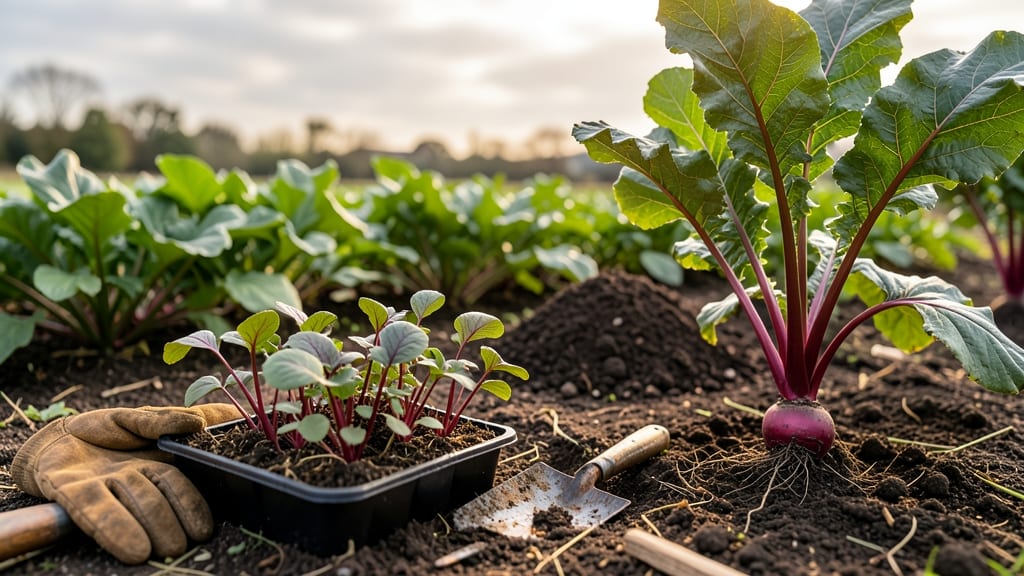
If you're wondering when to plant beets in Maryland, timing is everything—especially when you want those sweet, tender roots instead of tough, woody ones. Maryland's 7a-8a climate gives you two ideal planting windows: early spring and late summer, both designed to avoid frost and summer's scorching heat.
For most gardeners, the best window is between March and April, when soil temperatures are cool enough for germination but warm enough to grow. But don't stop there—August to September offers a second chance for a fall harvest, just before the first frost hits in mid-October.
Why does this matter? Planting at the wrong time means dealing with slow growth or bolting (when beets go to seed too quickly). I'll show you how to align your planting schedule with Maryland's frost dates so you can enjoy a steady supply of 🥕 beets from June through November.
Ready to grow? Let's break down the exact steps to maximize your beet harvest without the guesswork—so you can enjoy fresh, homegrown beets all season long.
Maryland beet planting calendar: best months for frost-free success
Timing your beet planting in Maryland means beating frost while avoiding summer’s heat—both can turn your crop into a disaster. The last spring frost typically hits mid-April across most of the state, but dates vary by region.
For example, Baltimore and Annapolis average frost-free by April 15, while Frederick often waits until April 25. Plan accordingly to avoid frost damage or bolting from heat.
Beets thrive in cool soil temperatures between 50°F and 85°F, but germination slows below 50°F. Start seeds indoors 4-6 weeks before your last frost date if you’re eager for an early harvest.
Alternatively, sow directly into well-drained garden beds once soil warms to at least 55°F—usually by late March to early April.
For a second harvest, plant again in late summer (August) to enjoy beets through fall’s cooler months. This strategy works best in Maryland’s USDA zones 5-7, where first frost arrives around mid-October. By then, your beets should be ready to harvest or stored for later use.
Here’s a quick reference for Maryland’s beet planting windows, including soil temps and frost dates:
| Season | Planting Window | Soil Temp (°F) | Frost Risk | Harvest Window |
|---|---|---|---|---|
| Spring | Late March–Early April | 55–75°F | Low (post-frost) | June–July |
| Summer | August (for fall crop) | 60–75°F | None | October–November |
*Adjust dates 1–2 weeks earlier for inland areas (e.g., Frederick) or later for coastal regions (e.g., Annapolis).
If you’re planting in February, opt for cold-hardy varieties like Detroit Dark Red or Golden, which tolerate cooler temps better. These varieties also handle light frosts without bolting, giving you an edge if spring arrives late.
Just cover seedlings with row fabric if nighttime temps dip below 40°F.
For direct sowing, aim for March 15–April 15 in most of Maryland. Use a seed tape or scatter seeds ½ inch deep, spacing them 1–2 inches apart. Thin seedlings to 3–4 inches apart once they’re 2 inches tall—this prevents overcrowding and ensures larger roots.
Mulch with straw or grass clippings to retain moisture and suppress weeds.
Pro tip: Test your soil pH before planting—beets prefer 6.0–7.0. Amend with compost or lime if needed, as Maryland’s native soil can be slightly acidic. A simple soil test kit (available at garden centers) makes this easy. Happy soil = happy beets!
Remember, succession planting every 2 weeks after your initial sowing keeps your harvest steady. This works especially well for baby beets, which mature in just 45–50 days. By staggering plantings, you’ll have fresh beets ready to pull from the garden all season.
Finally, keep an eye on the weather forecast—if a late frost is predicted after your planting, protect seedlings with cloches or row covers. A little extra care now means sweet, tender beets later, not bitter or frozen ones. 🥕
How to extend your beet harvest in Maryland’s hot summers
Maryland’s summer heat can turn sweet beets bitter and woody if you’re not careful. But with the right strategies, you can extend your harvest and keep those roots tender all season. The key? Beat the heat with shade, mulch, and smart planting techniques.
Start by choosing heat-tolerant beet varieties like ‘Detroit Dark Red’ or ‘Golden’. These hold up better in 80°F+ temperatures than standard types. Pair them with succession planting—sow new seeds every 2-3 weeks from May through July for a continuous supply.
- 🌿 Use shade cloth (30-50%) to block intense midday sun. Install it by June 1 for best results.
- 💧 Water deeply in mornings to keep soil 60-70°F. Avoid evening watering to prevent fungal risks.
- 🌱 Mulch heavily with straw or grass clippings to retain moisture and cool roots. Replenish every 4-6 weeks.
For late-summer plantings, aim for August 15-September 1 to harvest before first frost. Choose faster-maturing varieties (like ‘Babybeat’) that reach harvest in 45-50 days, giving you a head start on cooler fall weather.
If your beets start bolting (sending up flower stalks), it’s a sign of stress from heat. Immediately provide shade and reduce water slightly to encourage root growth over foliage. Harvest any bolting plants first—they’ll be sweeter before flowering.
Pro tip: Harvest young greens first (they’re delicious in salads!) to reduce competition for root growth. Leave the outer leaves to protect the beet from sun exposure. This two-for-one approach keeps your garden productive and your beets happy.
With these tricks, you’ll enjoy sweet, tender beets from June through October—no woody surprises in sight! 🌱