
Plants
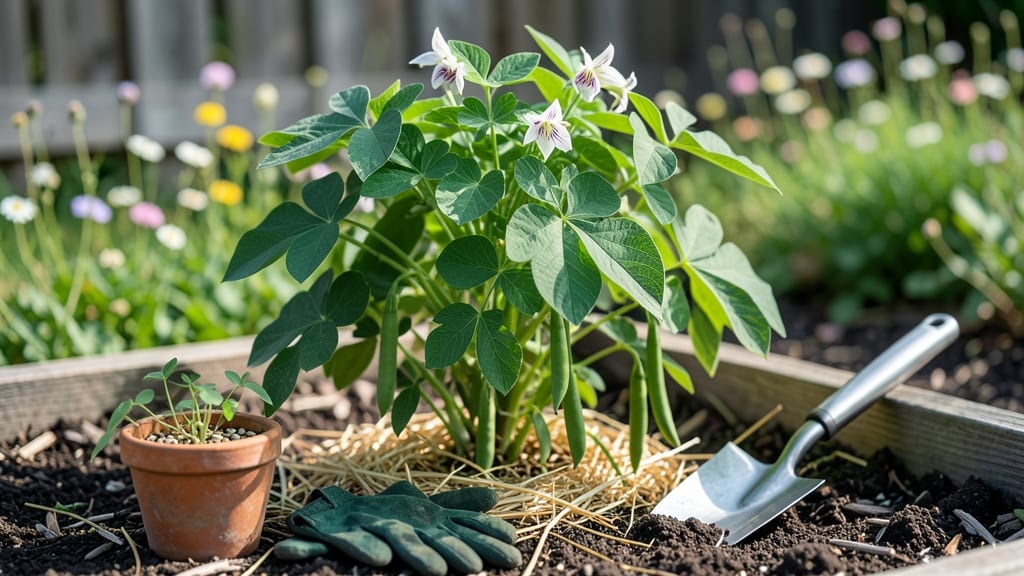
Knowing when to plant beans in Zone 8 isn't just about picking a month—it's about catching the perfect moment when soil temperatures unlock fast germination and strong starts. Skip this window, and you risk seeds sitting in cold soil, waiting forever to sprout.
In Zone 8, your best bets are early spring (March-April) or late summer (August-September), but timing depends on soil warmth, not just the calendar.
We're talking 60°F or higher—the magic number for beans to wake up and grow. Too cold, and they'll just sit there, frustrated.
This isn't guesswork. I'll show you how to test your soil temperature and adjust planting times for both bush and pole beans. Whether you're a first-timer or a seasoned gardener, these tricks will help you avoid common mistakes and get your beans off to a fast, healthy start.
Ready to turn your bean dreams into a harvest? Let's dive into the exact conditions that make all the difference in your garden's success.
Optimal soil temperature ranges for planting beans in Zone 8
Beans are one of the easiest vegetables to grow, but they demand precise soil temperature conditions for germination. In Zone 8, where winters are mild and summers hot, timing is everything. Plant too early, and your seeds may rot in cold soil; too late, and you risk heat stress.
The key is waiting until the soil reaches 60°F to 65°F—the sweet spot for most varieties.
Not all beans are created equal. Bush beans (like Blue Lake or Roma) germinate fastest at 70°F to 80°F, while pole beans (such as Kentucky Wonder) tolerate slightly cooler soils around 60°F to 65°F.
Runner beans, like Scarlet Runner, need even warmer soil—70°F or higher—to thrive. Understanding these differences ensures you pick the right variety for your planting window.
To test soil temperature, use a soil thermometer (available for under $10). Stick it 2 inches deep—the depth where beans germinate—and check readings in the morning. If the temperature dips below 55°F, wait a few more days.
Pro tip: Dark-colored soil warms up faster than light soil, so consider adding black plastic mulch a week before planting to accelerate warming.
In Zone 8, your first planting window opens around mid-March to early April, when daytime highs reach the 70°F range. For a second harvest, plant again in late summer (August) to enjoy beans into fall.
However, avoid planting when soil temperatures exceed 90°F, as this can cause seeds to dry out or sprout poorly.
Cold-tolerant varieties like Black Valentine or Contender can handle slightly cooler soils (55°F to 60°F), making them ideal for early spring or late fall plantings. Meanwhile, heat-sensitive types like Blue Lake Bush may struggle if soil temps climb above 85°F, so time your planting to avoid peak summer heat.
If you’re planting in late summer or fall, aim for soil temps between 60°F and 75°F. Afternoon highs in Zone 8 can still push soil temperatures above 80°F in September, so monitor closely.
A simple trick? Plant in shaded areas or use light-colored mulch to keep soil cooler during heatwaves.
For container gardening, soil warms up faster in pots. If you’re growing beans in pots, pre-warm the soil by placing containers in a sunny spot for a few days before planting. A heat mat (commonly used for seedlings) can also jumpstart germination in cooler soil conditions.
Remember: Beans are fast growers, but they need the right conditions to start. By aligning your planting with soil temperature triggers, you’ll skip the guesswork and enjoy a steady harvest all season long. 🌱
Best planting times by bean type for Zone 8 gardens
In Zone 8, your bean planting schedule depends on the variety—bush beans, pole beans, and specialty types like lima beans each have their own ideal windows.
Spring planting starts as early as late February for cold-hardy varieties, while fall planting can extend into early September for a second harvest before frost.
For bush beans, aim for planting between March 15 and April 15 when soil temperatures consistently reach 60°F or higher. These compact plants mature quickly (50-60 days), making them perfect for early-season harvests.
In contrast, pole beans need a longer growing season (60-70 days), so plant them slightly later, around April 1 to May 1.
Don't overlook fall planting—it’s a smart way to stretch your harvest. Start pole beans in late July and bush beans in early August for a late-season crop.
With Zone 8’s mild winters, you can even experiment with winter beans like lima beans, which tolerate cooler soil temperatures (55°F) and can be planted as late as September 15.
- Late Feb - Early Mar: Cold-tolerant bush beans (e.g., Blue Lake) in warm microclimates.
- Mid-Mar - Mid-Apr: Most bush beans (ideal for early harvests).
- Early Apr - Early May: Pole beans (longer season needed).
- Late Jul - Early Aug: Fall pole beans for late harvests.
- Early Aug - Mid-Sep: Bush beans and lima beans for fall crops.
- Mid-Sep - Late Sep: Winter beans (if soil stays above 55°F).
Pro tip: Use succession planting every 2 weeks after your initial sowing to ensure a steady supply of fresh pods. For example, if you plant bush beans on April 1, follow up with another batch on April 15 and May 1.
This method works equally well for fall plantings, giving you harvests through October or November.
Watch for soil temperature drops after planting—if nights dip below 50°F, protect young seedlings with row covers or black plastic mulch to maintain warmth. In my garden, I’ve found that pole beans planted in late April often outperform those sown earlier if the soil stays too cool for germination.
Remember, Zone 8’s long growing season lets you experiment with unusual varieties like yard-long beans or heirloom scarlet runners. These thrive with extended heat and can be planted as late as June 1 for a summer-fall harvest. Just monitor moisture closely—drought stress slows germination and reduces yields.