
Plants
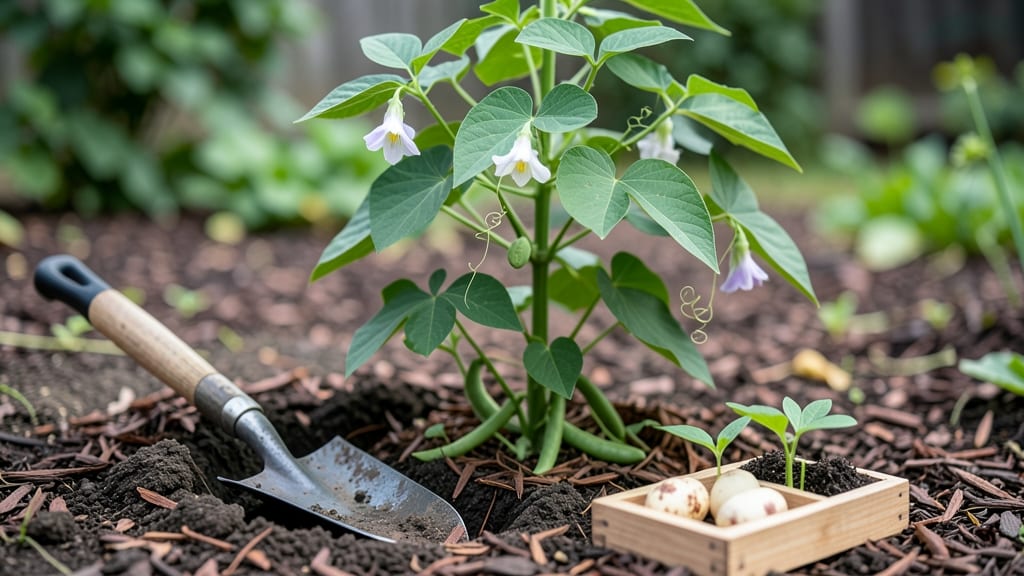
Timing your bean planting in Virginia isn’t just about checking the calendar—it’s about catching that sweet spot when soil warmth meets frost-free skies.
With Virginia’s 7a zone (average last frost: March 15), you’ve got a narrow window to get those 🌱 beans in the ground just right, or risk losing your harvest before it even starts growing.
Most gardeners in Virginia swear by planting between April 15 and June 15 for spring beans, but did you know fall plantings (August 1–September 15) can also work?
The key is soil temperature—beans need 60°F+ warmth at 1-inch depth to germinate properly, and Virginia’s unpredictable spring can throw a wrench in even the best-laid plans.
In this guide, I’ll break down the exact planting windows for your region—whether you’re in Richmond, Roanoke, or Norfolk—and share which heat-tolerant varieties thrive best. We’ll also cover how to extend your growing season so you can enjoy fresh beans from June all the way through October.
Ready to avoid common mistakes and maximize your harvest? Let’s dive into the best strategies for planting beans in Virginia’s unique climate.
Best planting windows for Virginia beans by region and microclimate
Virginia’s diverse climate—from the coastal humidity of Norfolk to the mountain valleys of Roanoke—means your bean planting schedule should match your local microclimate. The key? Planting when soil temperatures hit 55°F+ at 1 inch deep and after the last frost date.
In most of Virginia, this falls between mid-April and mid-June for spring plantings, with a second window in August-September for fall harvests.
For Northern Virginia (Roanoke), where frosts linger longer, wait until May 1 to avoid late spring freezes.
In Central Virginia (Richmond), you can start as early as April 15 if the soil is warm enough. Coastal Virginia (Norfolk) gardeners have a slight edge, with planting possible by April 1 thanks to milder winters and slower soil cooling.
Here’s how to align your planting with Virginia’s USDA Zone 7a and regional frost dates:
| Region | Last Frost Date | Spring Planting Window | Fall Planting Window | Soil Temp Trigger |
|---|---|---|---|---|
| Northern VA (Roanoke) | May 1 | May 1 - June 15 | August 15 - September 1 | 55°F+ (1" deep) |
| Central VA (Richmond) | April 15 | April 15 - June 1 | August 1 - August 31 | 55°F+ (1" deep) |
| Coastal VA (Norfolk) | March 25 | April 1 - May 15 | July 31 - August 20 | 55°F+ (1" deep) |
*Use a soil thermometer to confirm warmth before planting.
If you’re unsure about your local frost date, check the Virginia Cooperative Extension frost maps or use a frost-freeze calendar for your county. For example, Blacksburg’s last frost often hits April 10, while Williamsburg’s is closer to March 20.
These variations can mean the difference between a thriving crop and a failed planting.
For fall plantings, aim to harvest before the first frost—typically November 15 in most of Virginia. Plant pole beans or bush beans in late summer (August) to give them 60-70 days to mature before cold sets in.
Coastal areas like Virginia Beach may push fall plantings to early September for a late harvest.
Pro tip: Use black plastic mulch to warm soil faster in spring or row covers to protect young plants from unexpected late frosts. This is especially useful in higher-elevation areas like the Blue Ridge Mountains, where nights stay chilly longer.
Remember, beans are heat-loving plants, so avoid planting when daytime highs exceed 90°F for extended periods. In Central Virginia, this usually means waiting until late May for summer plantings. Coastal areas may experience earlier heat spikes, so monitor weather forecasts closely.
For continuous harvests, practice succession planting every 2-3 weeks from spring through summer. This ensures a steady supply of fresh beans without overwhelming your garden at once. Start with 1-2 rows, then add more as the season progresses.
🌱
Heat-tolerant bean varieties that thrive in Virginia’s summer heat
Virginia’s summers can push temperatures into the 90°F+ range, which is tough on many bean varieties. But don’t worry—some types are built to handle the heat while still delivering sweet, productive pods. The key is choosing varieties that tolerate high temperatures and humidity without sacrificing flavor or yield.
My top picks for Virginia gardens include Contender, Blue Lake, and Roma beans, each with unique advantages for our climate.
For extended harvests, consider planting heat-tolerant bush beans like 'Contender' (a Southern favorite) or pole beans like 'Blue Lake,' which climb and produce longer than bush types. These varieties can handle Virginia’s late-summer heatwaves while still maturing quickly—typically in 55-65 days.
If you’re aiming for a fall harvest, opt for Roma beans, which thrive in cooler evenings and resist common diseases that flare up in humidity.
| Variety | Heat Tolerance | Days to Maturity | Best For |
|---|---|---|---|
| Contender | Excellent (90°F+) | 55-60 days | Bush beans, early harvests |
| Blue Lake | Good (85°F+) | 60-65 days | Pole beans, extended harvests |
| Roma | Moderate (80°F+) | 55-60 days | Fall plantings, canning |
| Kentucky Wonder | Good (85°F+) | 60-70 days | Pole beans, trellising |
| Provider | Excellent (90°F+) | 60-65 days | Bush beans, drought tolerance |
To extend your growing season into fall, start with late-summer plantings (August 1-September 15). Use black plastic mulch to warm the soil and row covers to protect young plants from unexpected September frosts.
I’ve had great success with Roma beans planted in early August—they mature just before the first frost and produce sweet pods even in cooler weather.
For maximum heat resistance, avoid varieties like 'Pinto' or 'Black Turtle Soya,' which struggle in Virginia’s humid summers. Instead, focus on Southern-bred varieties that prioritize disease resistance and heat tolerance.
Pair your beans with companion plants like marigolds or basil to repel pests and improve air circulation around the plants.
Pro tip: If you’re planting in coastal Virginia (Zone 8a), where summers are even hotter and more humid, opt for early-maturing varieties like 'Contender' or 'Provider' to avoid heat stress during peak summer. Inland areas (Zone 7a) can handle slightly longer maturing types like 'Blue Lake' without issues.